Pope withdraws from Afghan league draft amid concerns over treatment of women
Source Entity
JYOTIRMOY HALDER
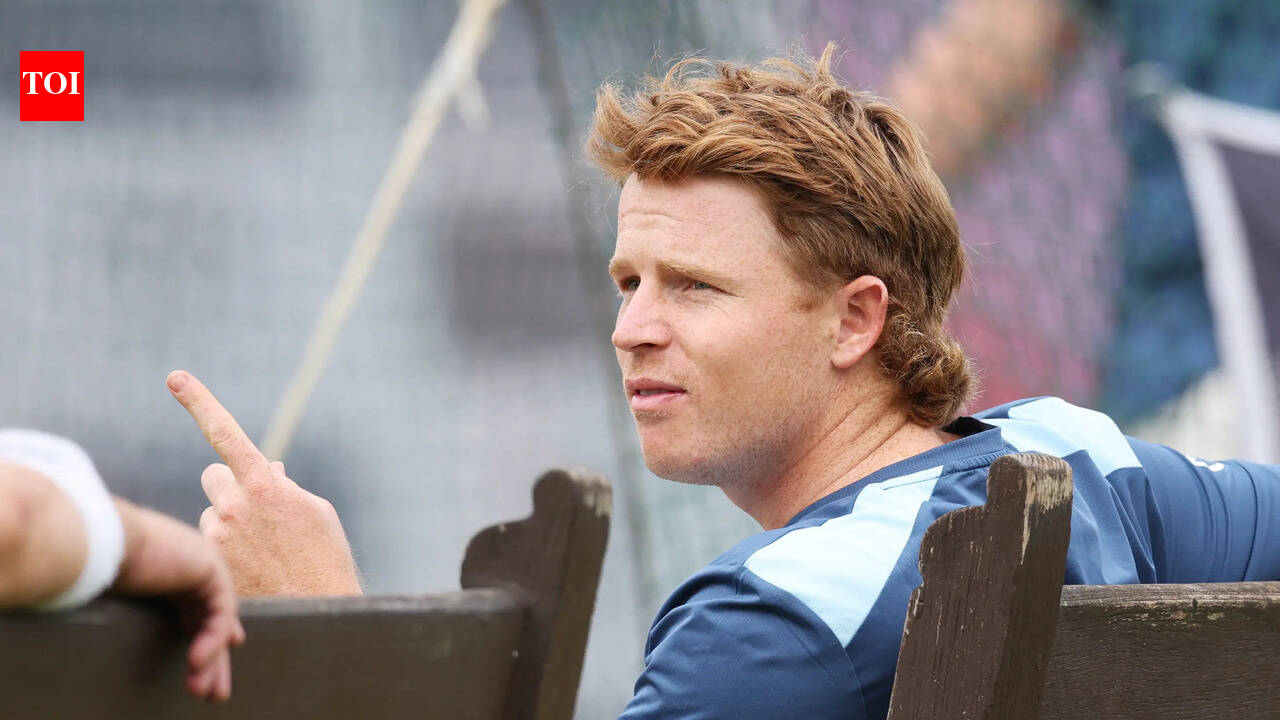
England cricketer Ollie Pope has withdrawn from the Afghanistan Premier League draft due to concerns over the Taliban's treatment of women. This move highlights a growing ethical divide among international players regarding participation in Afghan-affiliated sporting events.
The Intersection of Cricket and Human Rights: Ollie Pope’s Withdrawal
A Stand for Ethical Standards
England batter Ollie Pope has officially withdrawn his name from the Afghanistan Premier League (APL) draft, marking a significant moment where an individual athlete has prioritized human rights over career opportunities. This decision is rooted specifically in the ongoing concerns regarding the Taliban’s restrictive policies toward women and girls in Afghanistan. By removing himself from the draft, Pope has brought the moral complexities of international franchise cricket into the spotlight, challenging the normalization of sporting ties with a regime that systematically excludes half its population from public life.
The ECB’s Stance and Institutional Policy
England cricket director Rob Key has clarified that Pope’s choice was a personal moral decision, noting that the England and Wales Cricket Board (ECB) does not currently arrange bilateral series with Afghanistan. This institutional distance serves as a backdrop to Pope’s individual action. While the ECB avoids state-level engagement, the existence of a player draft creates a gray area where individual cricketers must navigate the tension between their professional livelihoods and the international community’s condemnation of the current Afghan administration.
The Divergence of Player Perspectives
Not all cricketers have followed Pope’s lead. The fact that former England batter Dawid Malan remains in the draft illustrates the profound personal conflict faced by athletes in the modern T20 era. For many, franchise cricket is the primary source of income, and the decision to boycott a league carries significant financial risk. This divergence highlights a lack of consensus within the global cricketing community regarding how to engage with leagues hosted or sanctioned by entities facing international sanctions or human rights scrutiny.
Historical Context of Sports Diplomacy
Historically, sports have often served as a stage for political protest, from the anti-apartheid boycotts of the 1970s and 80s to modern-day campaigns for social justice. Pope’s withdrawal echoes these historical precedents, suggesting that athletes are increasingly aware of their role as global citizens. By opting out, Pope is effectively placing the onus on cricket governing bodies to define the moral boundaries of franchise participation, potentially setting a precedent for how players handle similar dilemmas in the future.
Future Trends in Global Franchise Cricket
Looking ahead, this event may compel the International Cricket Council (ICC) or individual national boards to formalize guidelines regarding player participation in leagues associated with regimes that violate fundamental human rights. As franchise T20 leagues continue to expand globally, the tension between commerce and conscience will likely intensify. The industry may soon face pressure to adopt more consistent ethical frameworks, ensuring that players are not forced to choose between their professional ambitions and their personal values in isolation.
Conclusion
Ollie Pope’s withdrawal is a clear indicator of the rising influence of ethical considerations in professional sports. Whether this leads to a broader shift in policy remains to be seen, but it has undeniably forced a conversation that the cricketing world can no longer ignore. As players weigh the consequences of their participation, the industry must prepare for a future where human rights records may become a critical factor in the viability of international sporting partnerships.