No relief on the chopping board yet: Why onion costs are over ₹50 per kg despite supply push
Source Entity
Latest News: Todays Latest News Headlines from India & World | Hindustan Times | Hindustan Times
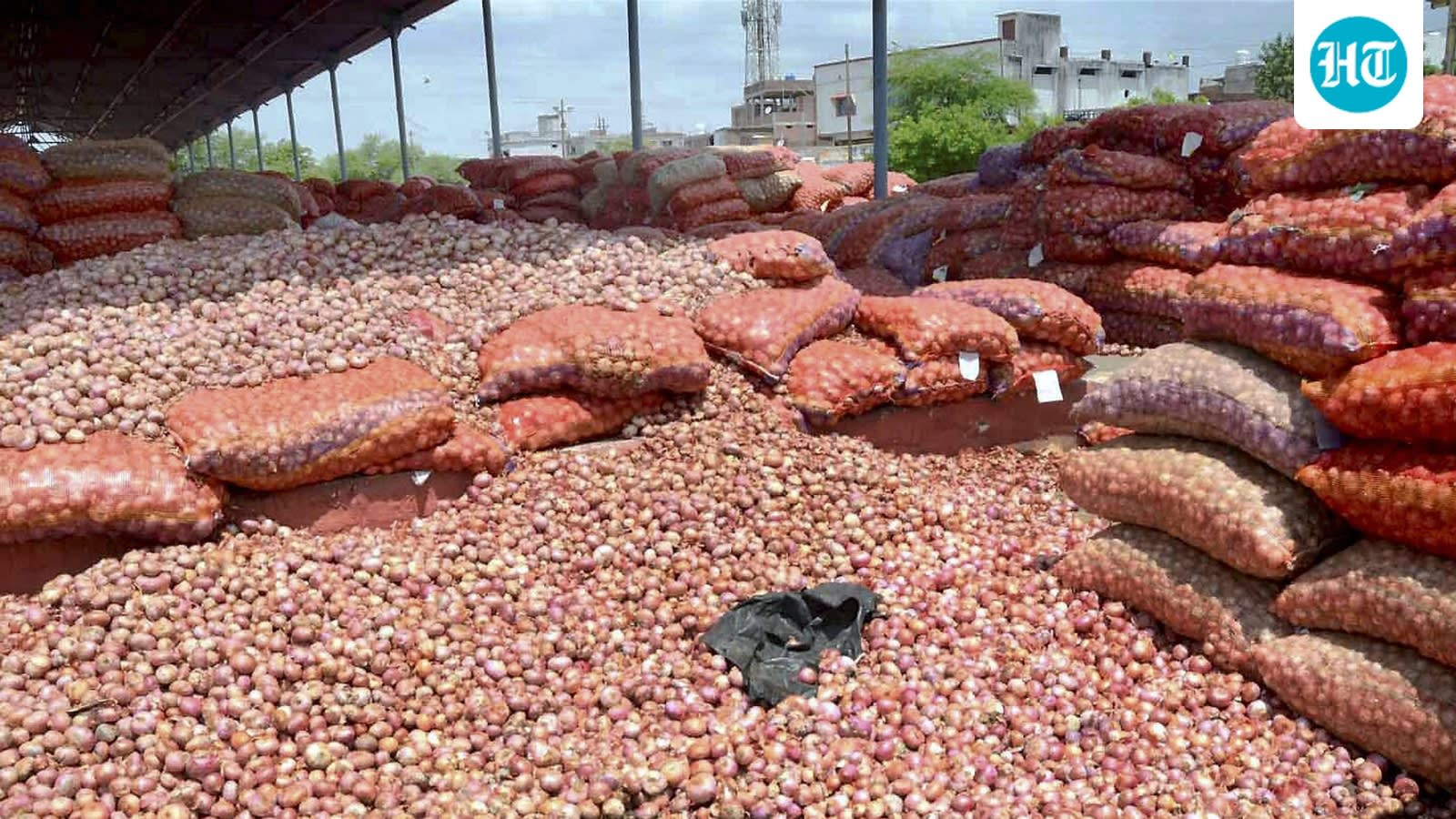
Retail onion prices remain high at over ₹50 per kg due to supply constraints from a smaller rabi crop and delayed kharif arrivals. Government interventions, including buffer stock sales, are active, but market relief is not expected until November.
Analysis of the Ongoing Onion Price Surge in India
Current Market Dynamics
As of mid-September 2024, the Indian retail market is grappling with a significant inflationary trend regarding onions, a staple in the domestic diet. With the all-India average retail price hovering around ₹53.86 per kg, consumers are facing a staggering 95% year-on-year increase compared to the ₹27.6 price point recorded during the same period in 2023. The wholesale market reflects a similar trend, with prices having more than doubled to ₹45.76 per kg, creating a challenging environment for both traders and households.
Supply-Side Constraints: The Rabi and Kharif Factors
The primary driver behind this volatility is a structural supply deficit originating from a smaller rabi harvest. The rabi crop, which typically provides the bulk of storage-stable onions, fell short of expectations, leading to a tighter availability window. This baseline shortage was further exacerbated by a late monsoon, which delayed the sowing and subsequent arrival of the kharif crop. Consequently, the market is currently in a 'lean season' vacuum, where demand consistently outstrips the limited fresh supply.
Government Intervention and Buffer Management
To mitigate the impact of these high prices, the government has actively utilized its price-stabilization buffer. By channeling onions through cooperatives like the NCCF, the government has attempted to offer relief by providing subsidized onions at ₹35 per kg. While these interventions have successfully eased mandi prices to some extent, the sheer scale of the supply gap has limited the effectiveness of these measures in bringing retail prices down to historical norms.
Economic Implications and Inflationary Pressure
Onions serve as a critical component of the Consumer Price Index (CPI) basket in India, and prolonged price spikes in this commodity contribute significantly to food inflation. The current pricing environment acts as a regressive tax on low-income households, who spend a larger portion of their earnings on basic food items. The persistence of these prices throughout September and October indicates that food inflation volatility will likely remain a concern for policymakers in the short term.
Future Outlook and Conclusion
Market experts anticipate that the current price squeeze will persist through October. Relief is projected to arrive only in November, as the delayed kharif crop finally hits the markets in sufficient volumes to restore supply-demand equilibrium. Until then, the government will likely continue its buffer distribution strategy to prevent further spikes. The situation underscores the urgent need for improved cold-chain infrastructure and better crop cycle management to insulate the market from the vagaries of monsoon-dependent agriculture.
Verification Required?