OPEC, Allies Face Tough Choices as Surplus Builds, Hormuz Risks Persist
Source Entity
Latest News: Todays Latest News Headlines from India & World | Hindustan Times
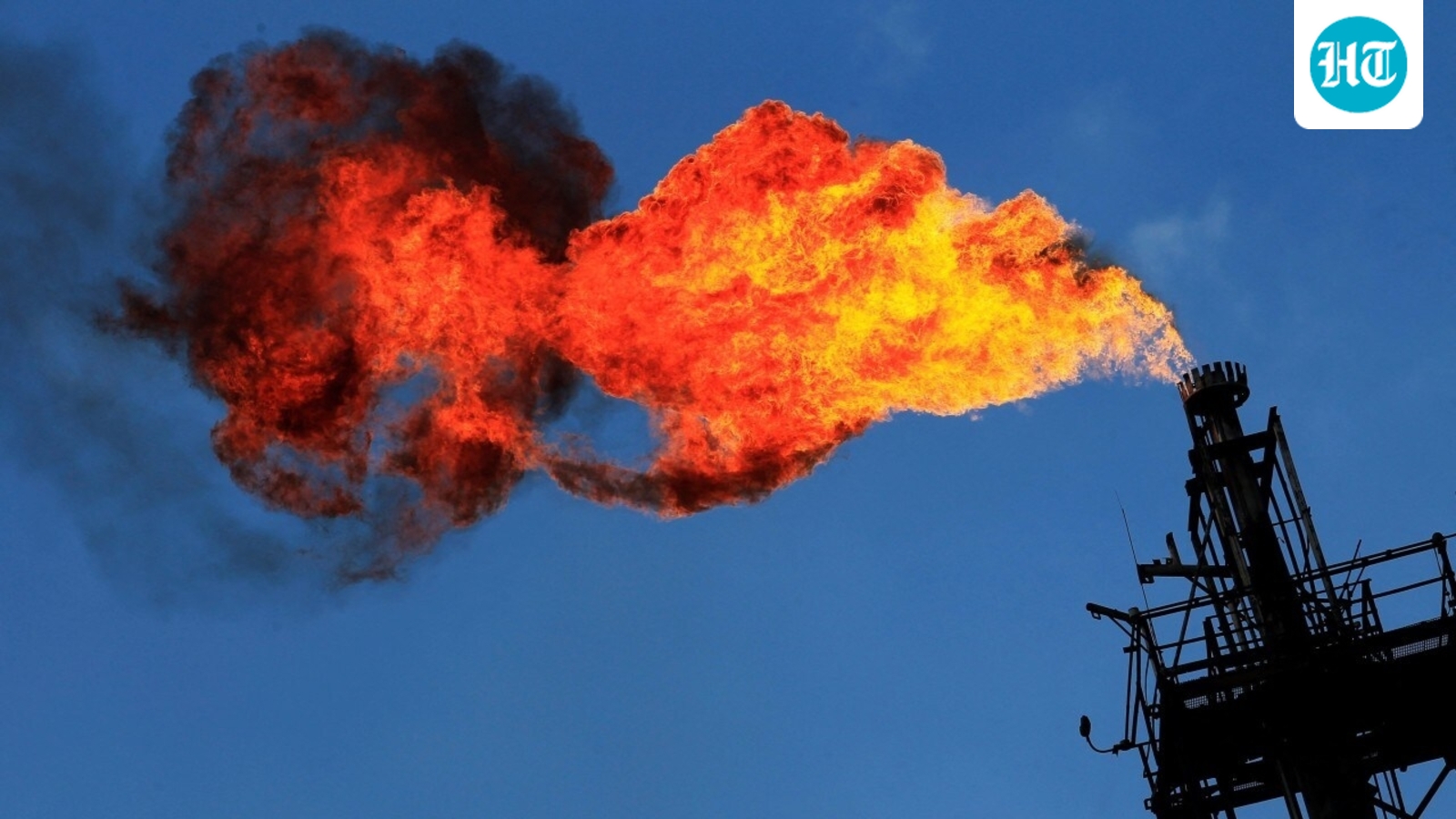
OPEC+ faces a critical dilemma as they prepare to set 2027 production targets amidst rising global oil surpluses and persistent geopolitical instability. The group must navigate the delicate balance between stabilizing market prices and addressing supply chain risks in the Middle East.
The OPEC+ Dilemma: Balancing Surplus and Security
As OPEC and its allies (OPEC+) prepare for their upcoming Sunday meeting, the organization faces one of its most complex decision-making cycles in recent history. The group is tasked with establishing production targets for 2027, a process complicated by the dual pressures of a burgeoning global oil surplus and the enduring, volatile risks associated with energy transit through the Middle East, specifically the Strait of Hormuz.
The Challenge of Market Surplus
Market analysts are increasingly concerned about the structural oversupply of crude oil. As global demand growth shows signs of moderation, the cartel must determine how much oil each member nation can sustainably produce without triggering a price collapse. This requires a rigorous assessment of individual production capacities and a collective decision on whether to maintain current output restrictions or allow for a gradual increase in market supply.
Saudi Arabia and the Cartel’s Direction
At the heart of these negotiations is Saudi Arabia, the de-facto leader of the cartel. The Kingdom’s influence remains pivotal, as it must balance its own fiscal requirements—often dependent on higher oil prices—against the long-term goal of market stability. The upcoming meeting will clarify whether Saudi Arabia and its counterparts are prepared to restore supply levels or if they will prioritize keeping production curtailed to prevent a surplus-driven price decline.
Geopolitical Risks and Supply Constraints
Beyond the macroeconomic data, the threat to energy security remains a persistent shadow over the proceedings. The Middle East remains a critical artery for global energy, and any disruption—whether through regional conflict or infrastructure vulnerabilities—could instantaneously tighten supply. The cartel must weigh these unpredictable risks against the current reality of a growing surplus, a task that requires both economic foresight and diplomatic agility.
Assessing Sustainability and Future Trends
Sustainable production is the operative theme for the 2027 targets. The group is not merely looking at short-term revenue, but at the long-term viability of their energy assets. As the global energy landscape evolves, OPEC+ must ensure that its members' output remains competitive while navigating the transition to alternative energy sources, which adds a layer of complexity to their quota negotiations.
Conclusion: A Pivotal Moment for Global Markets
The Sunday meeting represents a critical juncture for international energy markets. By determining the trajectory of oil supply for 2027, OPEC+ will effectively set the tone for global energy pricing and economic stability for the coming years. Their ability to reach a consensus in the face of conflicting market signals and geopolitical uncertainty will serve as a bellwether for the cartel's collective influence in a changing world.
Verification Required?