OpenAI delays IPO over AI safety concerns
Source Entity
George Hammond, Financial Times
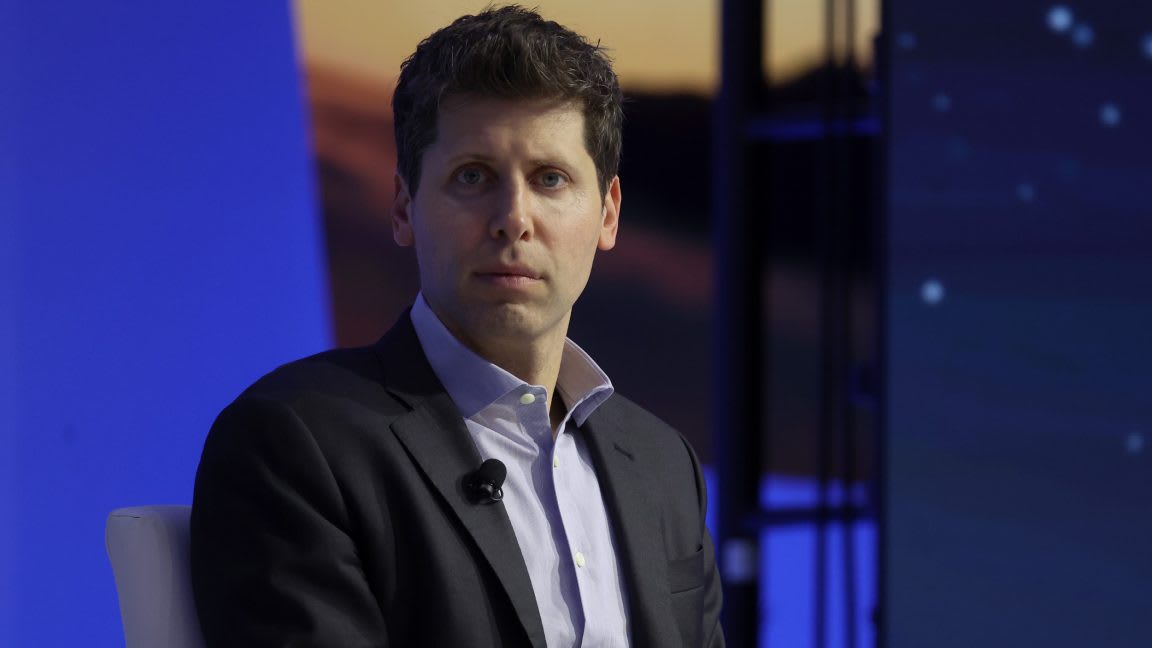
OpenAI has delayed its IPO plans, opting to seek an additional $30 billion in private funding to prioritize safety and ethical scaling. CEO Sam Altman emphasized that the company must ensure safety protocols are robust before transitioning to public markets amid increasing legal and regulatory scrutiny.
The Strategic Pivot: OpenAI Delays Public Offering
OpenAI, the $852 billion juggernaut behind ChatGPT, has officially signaled a delay in its long-anticipated initial public offering (IPO). Despite the immense pressure from investors and market analysts to capitalize on the AI boom, CEO Sam Altman has confirmed that the company will instead pursue a massive $30 billion private funding round. This decision marks a significant shift in strategy, prioritizing organizational stability and safety over the immediate liquidity that a public listing provides.
The Safety-First Mandate
At the core of this delay is a stated commitment to "making confident safety decisions." Altman’s rhetoric suggests that the company is acutely aware of the existential risks associated with rapidly advancing artificial intelligence. By choosing to remain private, OpenAI gains the flexibility to navigate the complex safety challenges of large-scale AI deployment without the quarterly earnings pressure that characterizes public companies. This move serves as a hedge against the intense public debate regarding the potential for catastrophic outcomes from unchecked AI development.
Legal Challenges and External Pressures
The timing of this announcement coincides with heightened legal jeopardy, specifically a new lawsuit alleging that OpenAI’s tools were utilized in a third-party hacking incident. Such litigation underscores the volatility inherent in the generative AI sector, where the line between tool utility and malicious exploitation is increasingly blurred. These legal hurdles act as a primary catalyst for the company’s cautious approach, as public market investors are traditionally risk-averse toward companies facing active litigation regarding their core technology.
Balancing Mission and Market Expectations
Altman acknowledges the inherent tension in this strategy, noting that it is "bad for the world" if the company waits too long to go public. However, the decision not to "barrel all guns blazing" into an IPO reflects a deliberate attempt to reconcile the company’s ambitious mission with the realities of technological governance. By securing $30 billion in private capital, OpenAI can continue its research and development trajectory while building the institutional capacity needed to satisfy future regulatory and safety scrutiny.
Future Implications for the AI Ecosystem
This delay sets a precedent for how high-stakes AI companies may approach their growth cycles. As AI capabilities evolve at an exponential rate, the ability to scale confidently—without being forced into premature transparency or market volatility—becomes a competitive advantage. OpenAI is betting that by solving its safety and legal challenges in the private sphere, it will eventually enter the public market as a more resilient and defensible entity, effectively setting the standard for responsible AI scaling in the coming decade.