OpenAI expands ChatGPT’s plugins with app-like interfaces and automations
Source Entity
Sarah Perez
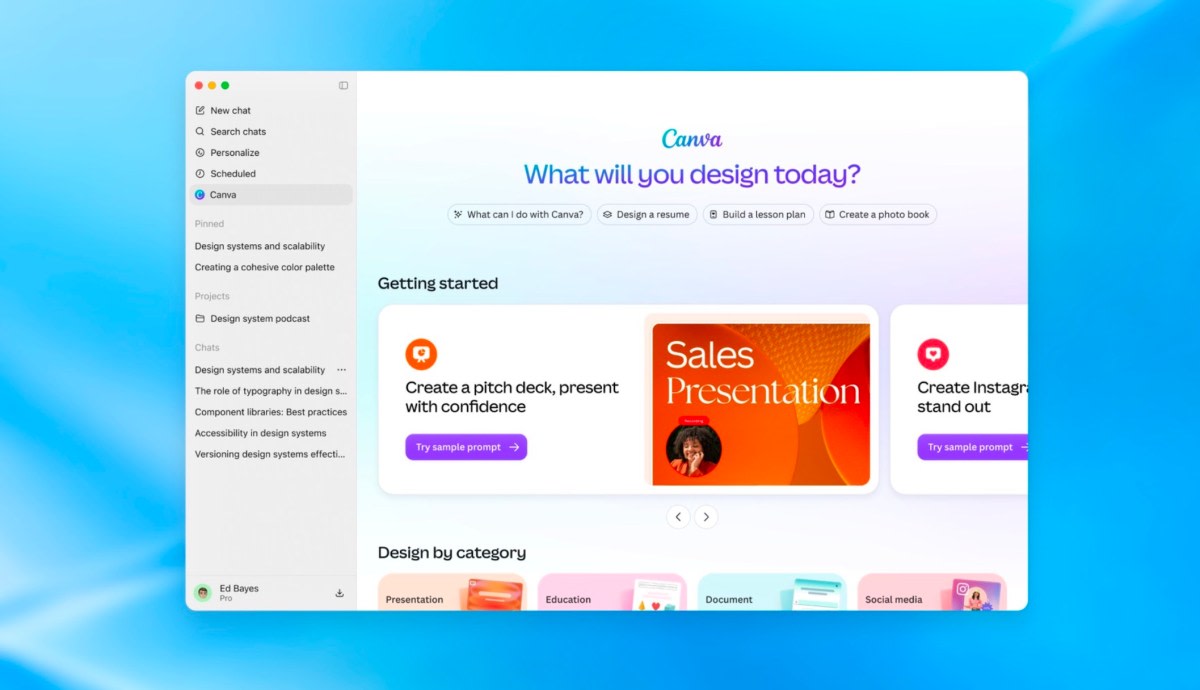
OpenAI is transforming ChatGPT into a comprehensive platform by introducing app-like interfaces, collaborative workspaces, and agentic assistants. These updates signal a strategic shift toward disrupting the traditional app store model and competing directly with established office software suites.
The Evolution of the ChatGPT Ecosystem
OpenAI’s recent Dev Day presentation in San Francisco marked a pivotal shift in the company's trajectory, moving beyond simple conversational AI toward a robust, integrated software ecosystem. By announcing a suite of new features—including dedicated sidebars, interactive panels, and file viewers—OpenAI is fundamentally altering how users interact with third-party software. These tools effectively transform ChatGPT from a standalone chatbot into a centralized hub for productivity and workflow management.
Challenging the Traditional App Store Model
The broader implication of these updates is a direct challenge to the conventional app store model that has dominated the digital economy for over a decade. By allowing developers to build app-like experiences directly within the ChatGPT interface, OpenAI is positioning itself as a discovery and execution layer for software. This move suggests that the future of software interaction may not reside in individual, siloed applications, but rather within an AI-orchestrated environment where tools are discovered and utilized by both human users and autonomous AI agents.
The Rise of Agentic Productivity
A centerpiece of this evolution is the introduction of 'Dots,' which are AI agent personas capable of carrying out complex tasks on behalf of a user. When coupled with the new 'Space' feature—a shared collaborative workspace—these agents allow teams to work in tandem with the chatbot. This functionality mirrors traditional office suites, placing OpenAI in direct competition with major enterprise software incumbents, including their long-standing partner, Microsoft.
Redefining Workplace Collaboration
By centralizing pages, files, and collaborative tools within 'Space,' OpenAI is encroaching on the 'bread and butter' of established workplace software providers. The ability to manage files and collaborate in real-time within a chat-driven interface suggests a move toward an 'all-in-one' productivity environment. This design philosophy emphasizes seamless integration, aiming to reduce the friction users experience when switching between disparate applications to complete a single task.
Strategic Implications and Future Trends
This aggressive expansion signals that OpenAI views ChatGPT as the primary operating system for the AI-driven future. By enabling developers to bring their tools into the ChatGPT sidebar and ensuring that user identities and AI allowances remain portable across third-party applications, the company is building a sticky, ecosystem-wide experience. As these features mature, we can expect a continued blurring of the lines between operating systems, productivity software, and AI interfaces, as the industry pivots toward agent-centric workflows.
Conclusion
In summary, OpenAI's latest announcements indicate a transition from a research-focused organization to a platform powerhouse. By integrating app-like experiences, collaborative spaces, and autonomous agents, OpenAI is not only expanding the utility of ChatGPT but also challenging the fundamental structure of software distribution and workplace productivity. The coming months will be critical in determining whether this agent-first approach can successfully displace deeply entrenched software habits in the enterprise sector.
Multiple Citing Sources