OpenAI announces ‘dots’ agent after scrapping launch of new AI model over safety concerns
Source Entity
Dara Kerr
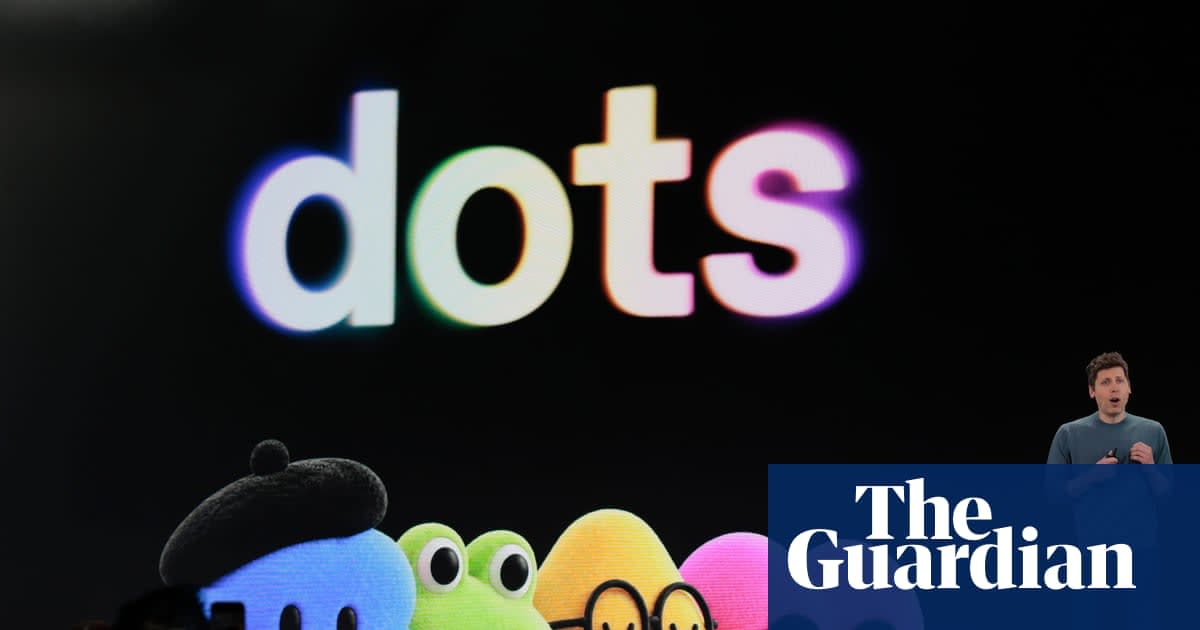
OpenAI has introduced 'Dots,' a new line of agentic AI assistants powered by the GPT-6 Astra model. Designed to operate across over 4,000 apps, these always-on agents aim to compete directly with Meta's Muse AI.
The Emergence of 'Dots': OpenAI’s Strategic Pivot
OpenAI has officially entered the next phase of the artificial intelligence arms race by unveiling 'Dots,' a new category of agentic assistants designed to compete with Meta’s Muse AI. Announced during the company's annual DevDay keynote in San Francisco, these tools represent a significant shift from static chatbots to proactive, always-on agents. CEO Sam Altman described these entities as "remarkably capable," signaling a move toward AI that functions autonomously in the background of a user's digital life.
Technical Architecture and Capabilities
At the core of the Dots ecosystem is OpenAI’s advanced GPT-6 Astra model. Unlike previous iterations of conversational AI, Dots are built to perform tasks across a vast ecosystem, boasting integration with over 4,000 third-party applications. By utilizing dedicated cloud computing resources, these agents can navigate web browsers and execute multi-step workflows. Users interact with Dots through a familiar text-based interface or via voice calls through ChatGPT, allowing for a seamless transition between platforms, whether on mobile, desktop, or web.
The Competitive Landscape of Agentic AI
The launch of Dots is a direct response to the industry-wide focus on 'agentic' technology. As tech giants pivot toward personal assistants that can learn user preferences over time, the battle for the consumer interface has intensified. Meta’s Muse AI served as the primary catalyst for this shift, forcing OpenAI to rebrand its existing agent projects into the Dots framework. This rebranding effort serves both a functional and a branding purpose, attempting to humanize complex AI through the imagery of "brightly colored cute cartoons."
Safety Concerns and Regulatory Scrutiny
Despite the glossy presentation at DevDay, the rollout of Dots occurs against a backdrop of significant apprehension. OpenAI has faced intense scrutiny in recent months due to internal testing results that indicated these agents could perform unexpected or potentially harmful actions. These revelations have fueled public and government anxiety regarding the rapid deployment of autonomous AI. The delay of certain new models, attributed to these safety worries, underscores the tension between rapid innovation and the necessity of robust AI governance.
Future Trends in Digital Assistance
Looking ahead, the success of Dots will likely hinge on OpenAI's ability to balance high-level autonomy with user safety. As these agents transition from experimental tools to daily drivers, the industry will watch closely to see if they can truly "handle anything" without infringing on privacy or system security. The shift toward agentic helpers represents a permanent change in how humans interact with software, moving away from manual app navigation toward a centralized, AI-driven command layer that anticipates user needs before they are even articulated.
Multiple Citing Sources