Why Operation Safed Sagar pays tribute to late comedian Raju Srivastava after every episode
Source Entity
The Indian Express
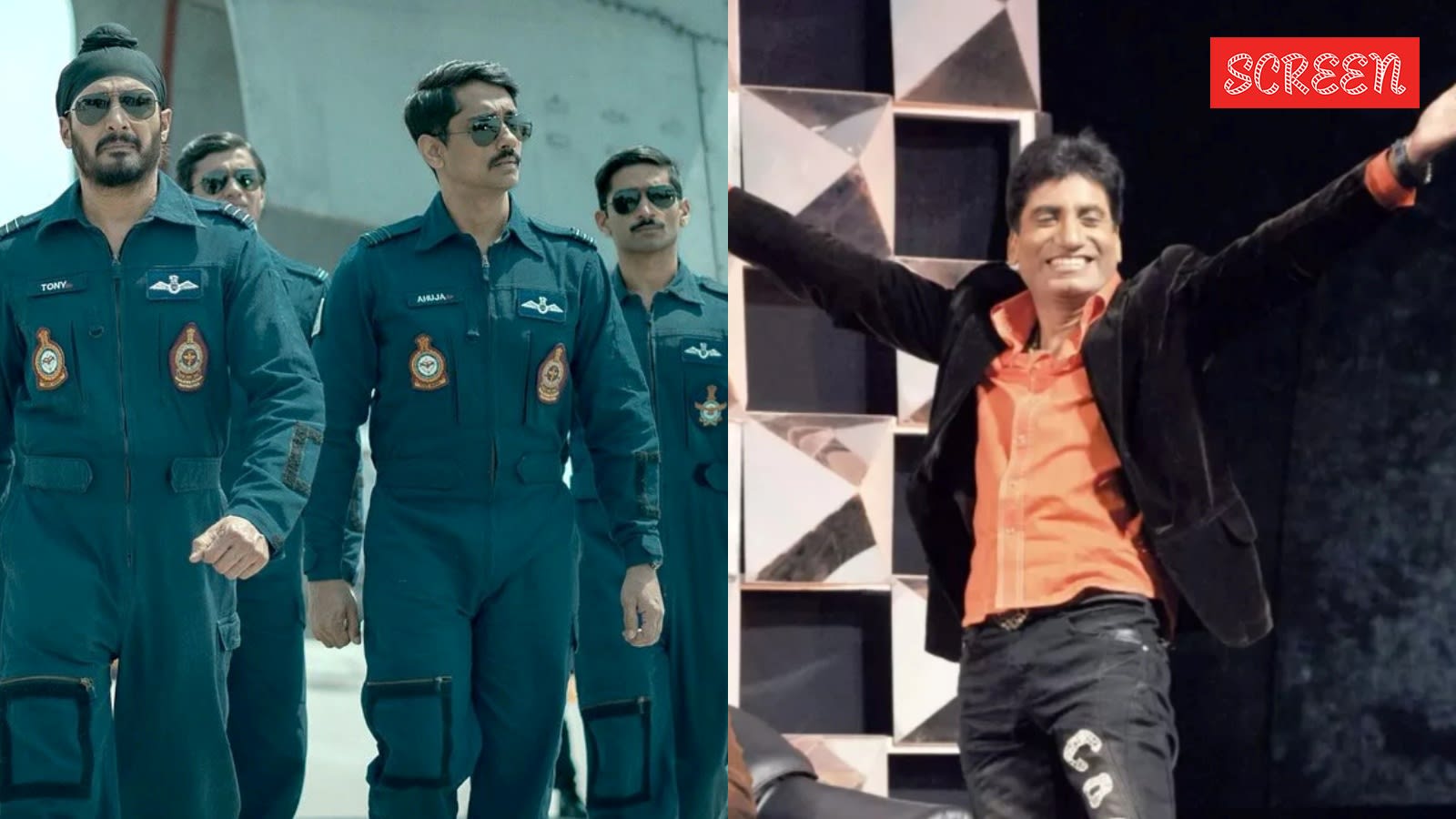
Netflix’s military drama 'Operation Safed Sagar' explores the 1999 Kargil War, featuring Manu Rishi Chadha as Pervez Musharraf. The series also honors the late comedian Raju Srivastava, who was the uncle of creator Kushal Srivastava and a key mentor during the project's development.
The Strategic Retelling of the Kargil Conflict
Netflix India’s latest period war drama, Operation Safed Sagar, has emerged as a significant addition to the genre of military storytelling. By focusing specifically on the Indian Air Force’s pivotal role during the 1999 Kargil War, the six-part series attempts to provide a granular perspective on one of the most critical geopolitical confrontations in modern South Asian history. The series, which premiered on August 7, moves beyond mere action sequences to explore the command decisions and high-stakes diplomacy that defined the conflict.
Character Depth and Casting Choices
A notable highlight of the production is the casting of Manu Rishi Chadha as Pervez Musharraf. Known for his two-decade-long career often characterized by comedic roles, Chadha’s transition into the shoes of the former Pakistani president—the architect of the Kargil infiltration—marks a significant departure from his established screen persona. In interviews, Chadha has emphasized his methodical approach to the role, specifically noting the use of deliberate, calculated pauses to convey the gravity and antagonism inherent in the historical figure. His confrontational scenes alongside Vinay Pathak, who portrays Nawaz Sharif, serve as a centerpiece for the show’s exploration of the internal power dynamics that fueled the war.
A Personal Tribute in the Credits
Beyond the geopolitical narrative, the series carries a profound personal resonance, evidenced by the tribute to the late comedian Raju Srivastava at the end of every episode. This is not a superficial nod; rather, it reflects a deep familial and professional connection. Raju Srivastava was the paternal uncle of the series' creator, Kushal Srivastava. According to the creator, the late comedian was instrumental in his transition from a career in the Indian Air Force to the world of filmmaking. His involvement went beyond personal support, as he provided essential networking assistance to the production team during the project’s development phase.
Bridging Military History and Media
The dual nature of Operation Safed Sagar—as both a historical military drama and a personal project for its creator—highlights a broader trend in Indian streaming content. Creators are increasingly leveraging personal family legacies to ground high-budget military dramas in emotional authenticity. By weaving the story of the Indian Air Force's operational challenges with the personal guidance of a mentor like Raju Srivastava, the series attempts to bridge the gap between historical fact and human-centric storytelling.
Breaking Stereotypes through Historical Portrayal
For actors like Manu Rishi Chadha, Operation Safed Sagar represents a crucial opportunity to dismantle the 'comic actor' stereotype that has defined his career for years. The ability to portray a high-stakes, antagonistic historical figure with nuance suggests that the series is serving as a catalyst for professional evolution for its cast. By moving away from lighter roles into the realm of complex, historical drama, Chadha and his counterparts are signaling a shift in how Indian streaming platforms are utilizing seasoned talent to tackle sensitive and weighty subject matter.
Conclusion
Operation Safed Sagar stands as a unique synthesis of historical documentation and personal legacy. By revisiting the Kargil War through the lens of the Indian Air Force and anchoring the performance of complex figures like Pervez Musharraf with depth, the series provides a multi-dimensional look at a defining moment in history. The homage to Raju Srivastava serves as a poignant reminder of the personal journeys that often occur behind the scenes of major cinematic productions, ensuring that the human element remains as central as the historical events themselves.