Origin Energy Profit Rises Despite Weaker LNG Earnings
Source Entity
Yahoo Finance
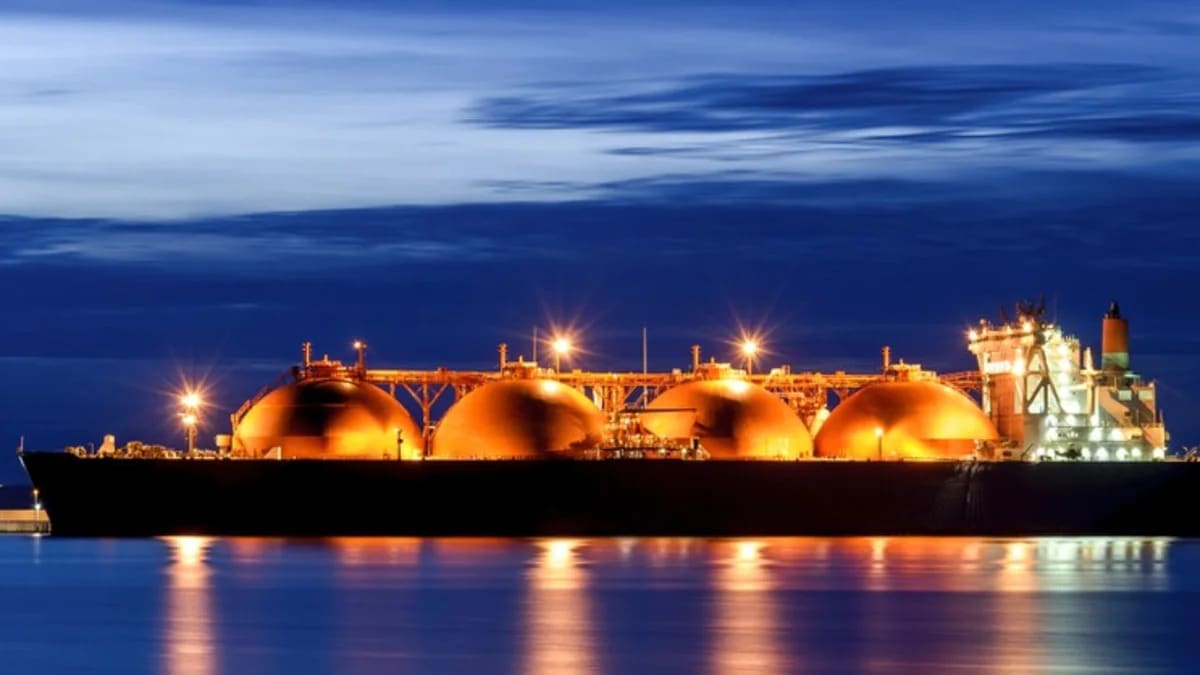
Origin Energy reported a rise in statutory profit to A$1.57 billion despite a decline in underlying earnings. The drop in performance was primarily driven by lower oil prices and reduced gains in the Integrated Gas division.
Financial Performance Overview
Australian energy giant Origin Energy has released its financial results for the year ending June 2026, showcasing a complex picture of profitability. While the company achieved a statutory profit of A$1.57 billion—an increase from the A$1.48 billion recorded in the previous fiscal year—the headline figure masks a contraction in core operational performance. This divergence between statutory gains and underlying operational earnings highlights the volatility inherent in the energy sector, where non-operating items often influence the bottom line.
The Impact of Market Volatility
The primary driver behind the decline in underlying profit, which fell from A$1.49 billion to A$1.16 billion, was the weakness in the Integrated Gas division. Underlying EBITDA for the company dropped by 6% to A$3.22 billion, a clear reflection of the headwinds facing the gas business. Market conditions, specifically the softening of oil prices, have had a direct, negative impact on the revenue streams derived from Origin's stake in Australia Pacific LNG (APLNG).
Challenges in the Integrated Gas Division
Within the Integrated Gas division, the underlying EBITDA plummeted from A$2.20 billion to A$1.62 billion. This significant reduction is attributed to lower oil-linked earnings and a decrease in LNG trading gains. Because APLNG’s contracts are often indexed to oil prices, the recent global price trends have acted as a drag on the company's profitability. Furthermore, the average realized price for LNG dropped to A$13.64 per gigajoule, illustrating the margin compression the company faced during the 2026 fiscal year.
Production Metrics and Operational Context
Despite the unfavorable pricing environment, operational output remained a critical component of the company's narrative. Origin Energy reported that production at Australia Pacific LNG reached 668 petajoules, providing a baseline of volume that helped sustain operations despite the lower realized prices. This production capacity remains a vital asset for Origin, yet the financial results underscore that volume alone cannot offset the cyclical nature of commodity prices.
Future Outlook and Strategic Implications
Looking ahead, Origin Energy must navigate a landscape where energy transition goals and traditional fossil fuel earnings must coexist. The decline in trading gains and the sensitivity of the gas business to global oil fluctuations suggest that the company will likely prioritize cost management and operational efficiency in the coming quarters. Investors will be watching closely to see if Origin can stabilize its underlying earnings through potential shifts in trading strategies or further optimization of its upstream assets.
Conclusion
In summary, Origin Energy’s fiscal year 2026 performance serves as a case study in the challenges of managing a large-scale energy utility in a fluctuating market. While the statutory profit growth provides a positive headline, the underlying contraction in the Integrated Gas division serves as a reminder of the volatility associated with LNG exports. Moving forward, the company's ability to maintain production levels while navigating market price cycles will be the primary indicator of its long-term financial health.