Orthopaedic doctor explains common workout moves that can put your shoulder health at risk
Source Entity
Latest News: Todays Latest News Headlines from India & World | Hindustan Times
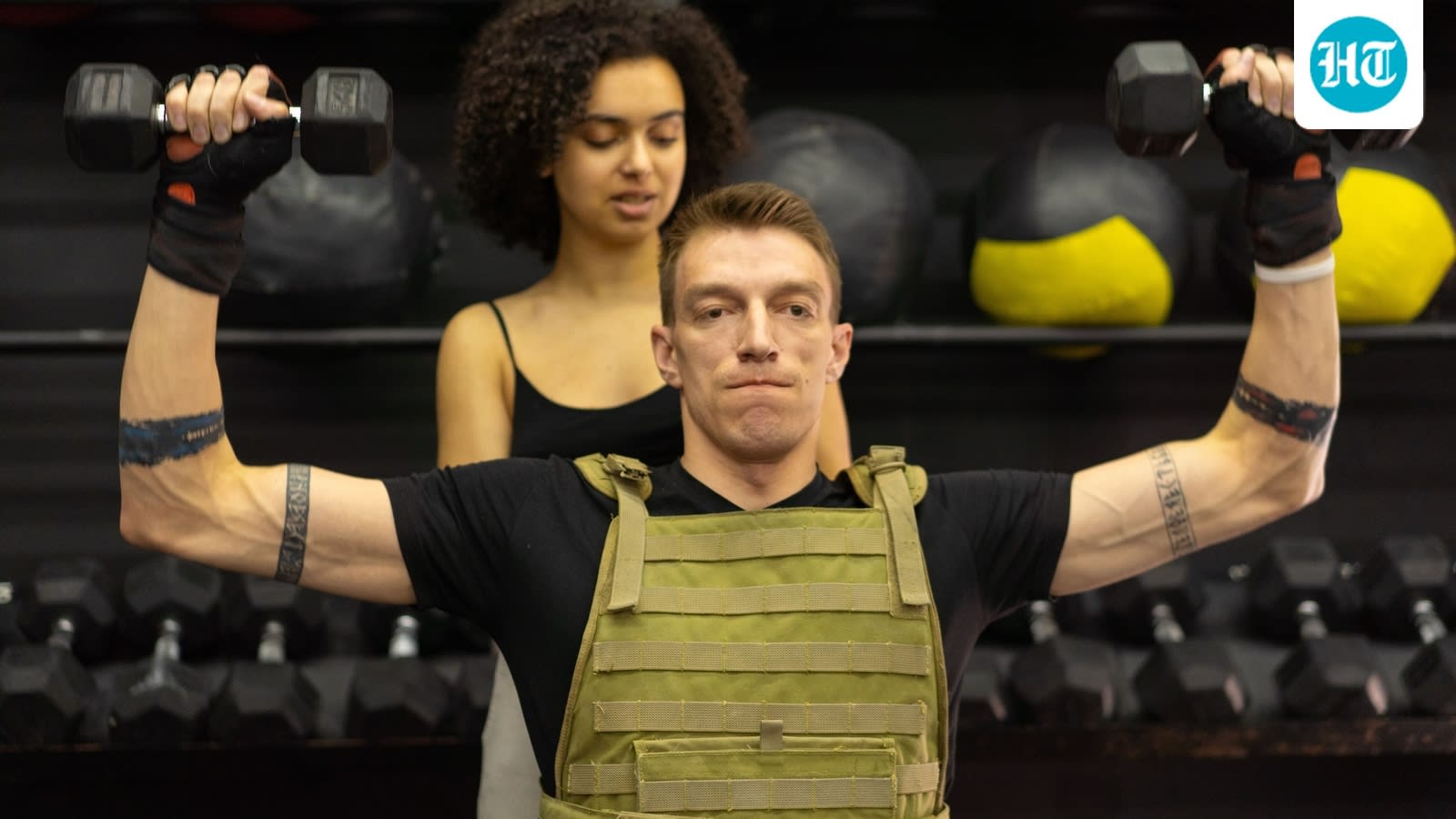
Orthopaedic expert Dr. Naman Wahal highlights that common gym exercises like overhead presses can cause shoulder injuries if performed with poor form. He emphasizes that individual biomechanics determine exercise suitability rather than the movements themselves.
Understanding Shoulder Biomechanics in Fitness
The shoulder joint is widely recognized as one of the most frequently injured areas among athletes and casual gym-goers alike. Due to its complex structure, which allows for a massive range of motion, it is inherently less stable than other joints, making it highly susceptible to wear and tear. Dr. Naman Wahal, a senior consultant and unit head of orthopaedics at Fortis Escorts, New Delhi, recently underscored that while many traditional exercises are effective, they carry significant risks when performed with improper technique or excessive load.
The Myth of the 'Bad' Exercise
It is a common misconception in the fitness industry that specific exercises are inherently destructive to the shoulder. However, as Dr. Wahal points out, no single movement is universally damaging. Exercises such as overhead presses, upright rows, and bench presses are staples of physical training that, when executed correctly, provide substantial benefits. The risk typically arises not from the exercise itself, but from a mismatch between the movement pattern and the individual's specific physiological needs and current shoulder health.
Identifying the Root Causes of Injury
According to the provided insights, the primary drivers of shoulder injuries during training are poor form, the ego-driven use of excessive weight, and the dangerous habit of training through sharp, localized pain. These factors create a cumulative load that the joint cannot safely dissipate, eventually leading to structural damage. Because the shoulder is tasked with carrying significant loads across various planes of motion, it requires a high degree of scapular stability and rotator cuff strength to remain resilient during heavy lifting.
The Importance of Individualized Training
Dr. Wahal emphasizes that the suitability of any workout move depends entirely on the individual's shoulder anatomy. What serves as a functional builder for one person might act as a catalyst for impingement or tendonitis in another. This highlights the necessity of professional guidance in the gym, where trainers can assess an individual’s range of motion and form to ensure that exercises like push-ups and overhead presses are being performed in a way that respects their unique biomechanical constraints.
Moving Toward Injury Prevention
To prevent long-term joint degradation, practitioners must shift their focus from high-intensity output to high-quality movement. Listening to the body is critical; sharp pain is a definitive signal that the current load or technique is unsustainable. By prioritizing proper form and acknowledging the specific limitations of one's own shoulder joint, individuals can continue to enjoy the benefits of strength training while minimizing the risk of chronic orthopedic conditions. Ultimately, a sustainable fitness journey is one that balances intense physical challenge with the preservation of joint integrity.
Verification Required?