What your T-Rex arms sleeping position really means
Source Entity
The Indian Express
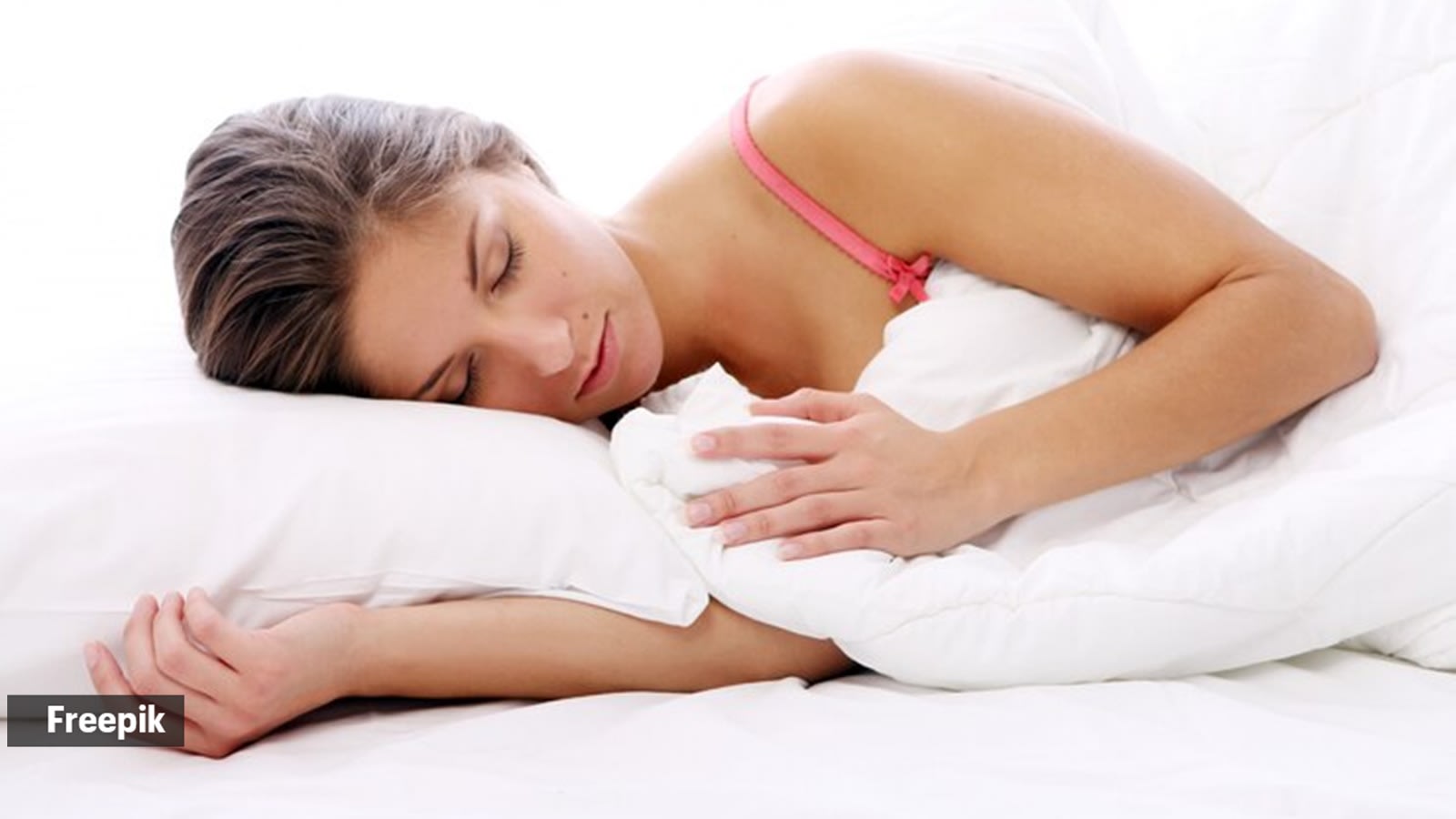
The 'T-Rex' sleeping position, characterized by tucked elbows and curled hands, is often linked to a stressed or anxious nervous system. Experts suggest that maintaining a consistent sleep schedule and practicing deep breathing can help mitigate this unconscious physical reaction.
The 'T-Rex' Sleeping Position: Decoding Physical Stress Signals
In the realm of sleep hygiene, the way our bodies position themselves throughout the night is increasingly viewed as a barometer for our internal psychological state. A posture colloquially dubbed "T-Rex arms"—where the individual sleeps with shoulders hunched, elbows tucked close to the torso, and hands curled—has gained attention as a potential physiological indicator of underlying stress and anxiety. This posture, while seemingly harmless, is being scrutinized by health content creators and wellness experts who suggest it may be a physical manifestation of a nervous system that is struggling to regulate itself.
The Nervous System Connection
When the body enters a state of fight-or-flight, even during sleep, it may retain tension in the upper extremities. The "T-Rex" position essentially mimics a protective stance, guarding the vital organs of the chest and abdomen. This suggests that the body is attempting to self-soothe in response to unresolved daily stressors. If an individual is not processing anxiety effectively during their waking hours, the body may carry that tension into the night, preventing the deep muscle relaxation necessary for restorative rest. This phenomenon highlights the intricate, bidirectional relationship between our psychological well-being and our physical architecture.
Why Posture Matters for Restorative Sleep
Chronic tension during sleep can have cascading effects on overall health. When the shoulders remain hunched and the elbows tucked, the muscles in the neck, upper back, and chest are denied the chance to fully lengthen and recover. This not only leads to physical discomfort, such as neck pain or stiffness upon waking, but it also signals that the body is not entering the deep, regenerative phases of sleep. By remaining in a "guarded" position, the sleeper remains in a state of hyper-vigilance, which can exacerbate feelings of vulnerability and fatigue the following day.
Practical Interventions for Better Sleep Hygiene
To combat this unconscious stress response, wellness advocates like Ruchi Agarwal suggest integrating specific behavioral changes. Establishing a consistent sleep schedule is paramount, as it helps regulate the body’s internal clock and reduces the physiological stress of erratic sleep patterns. Furthermore, the inclusion of deep breathing exercises before bed can signal to the parasympathetic nervous system that it is time to shift from "alert" to "rest and digest." These practices aim to lower cortisol levels, making it easier for the body to adopt a more relaxed, open posture during the night.
The Role of Physical Activity
Beyond breathing and scheduling, regular exercise is identified as a critical tool for physical and mental regulation. Physical activity helps to metabolize the stress hormones that accumulate during the day, effectively discharging the energy that might otherwise manifest as muscle tension at night. By incorporating consistent movement into a daily routine, individuals can help ensure that their bodies are prepared to release tension rather than clinging to it in a defensive, "T-Rex"-like posture.
Conclusion: Listening to Your Body
Ultimately, the "T-Rex" sleeping position serves as a useful diagnostic signpost for our internal health. While it may be a self-soothing mechanism, it is also a loud signal from the body that something is out of balance. By paying attention to these physical cues and adopting proactive lifestyle habits such as exercise, breathwork, and structured sleep hygiene, individuals can move toward a more relaxed state of being, ensuring that their sleep is truly restorative and free from the weight of daily anxieties.