Padmaja Venugopal poised to quit BJP; Congress return on the cards
Source Entity
India Latest News: Top National Headlines Today & Breaking News | The Hindu
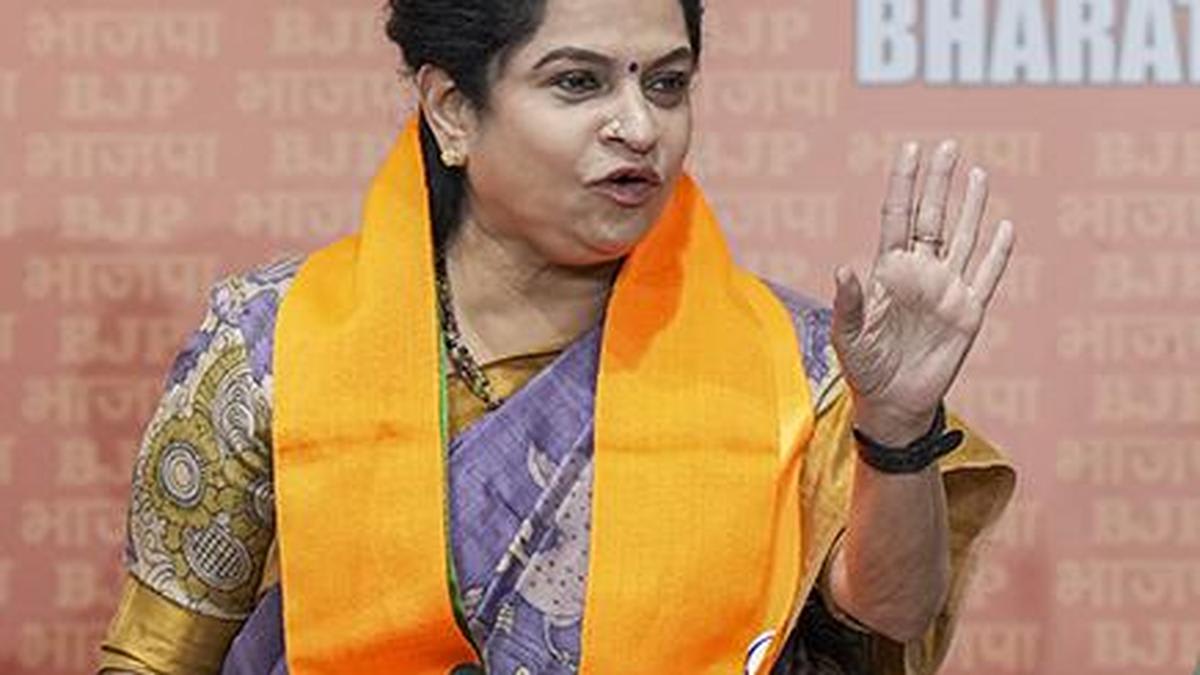
Padmaja Venugopal is reportedly set to resign from the BJP due to internal dissatisfaction over her political role. Her potential return to the Congress party is currently being explored following failed negotiations with BJP leadership.
The Shifting Allegiances of Padmaja Venugopal
A Departure in the Making
Padmaja Venugopal, daughter of the legendary Kerala Chief Minister and veteran Congress stalwart K. Karunakaran, is reportedly on the verge of exiting the Bharatiya Janata Party (BJP). Her tenure within the saffron fold, which began just two-and-a-half years ago, appears to be nearing an abrupt conclusion. Reports indicate that she is prepared to formalize her resignation on November 19, 2026, marking a significant pivot for a figure who carries the weight of a powerful political legacy in Kerala.
The Roots of Discontent
The primary catalyst for this decision is reportedly a profound sense of alienation within the party hierarchy. Despite her status as a BJP national council member, Ms. Venugopal has struggled to secure the organizational recognition or substantive responsibilities she expected upon joining. Sources suggest that repeated attempts to negotiate her future role with both the national leadership and state president Rajeev Chandrasekhar have failed to yield a consensus, leaving her position within the party untenable.
The Karunakaran Legacy and Political Identity
To understand the significance of this move, one must consider the historical gravity of the Karunakaran name in Kerala politics. As the daughter of one of the Congress party's most formidable architects in the state, Ms. Venugopal’s initial move to the BJP was viewed as a major ideological shift. Her potential return to the Congress is not merely a personal career move but a symbolic reclamation of her father’s political lineage, suggesting that the ideological boundaries in Kerala politics remain fluid and highly sensitive to personal grievances.
Implications for the State BJP
This development poses a significant challenge for the BJP in Kerala. The party has long sought to court high-profile figures from traditional political families to expand its footprint in a state dominated by the LDF and UDF. The failure to integrate a leader of Ms. Venugopal's stature highlights broader structural challenges regarding the accommodation of leaders who cross over from rival camps. It suggests that personal political aspirations often clash with the rigid internal hierarchies of the state unit.
Future Trajectories and Political Realignment
As November 19 approaches, the political discourse in Kerala is shifting toward the fallout of this resignation. A return to the Congress, while currently in the phase of backroom discussions, would signal a significant consolidation of the UDF's position. If she does indeed rejoin her parent party, it will serve as a stark reminder of the limitations of 'political poaching' strategies in regional politics, where local influence and family legacies often outweigh national party mandates.
Conclusion
The impending resignation of Padmaja Venugopal is a testament to the volatile nature of coalition politics and party loyalty in India. Whether this move leads to a full-scale reconciliation with the Congress or a temporary period of political independence, it remains a critical indicator of the ongoing power struggles within the Kerala political landscape. The outcome of her decision on November 19 will be closely watched by observers as a bellwether for future political realignments in the state.
Verification Required?