Supreme Court keeps injunction against DEI grant defunding in place
Source Entity
John Timmer
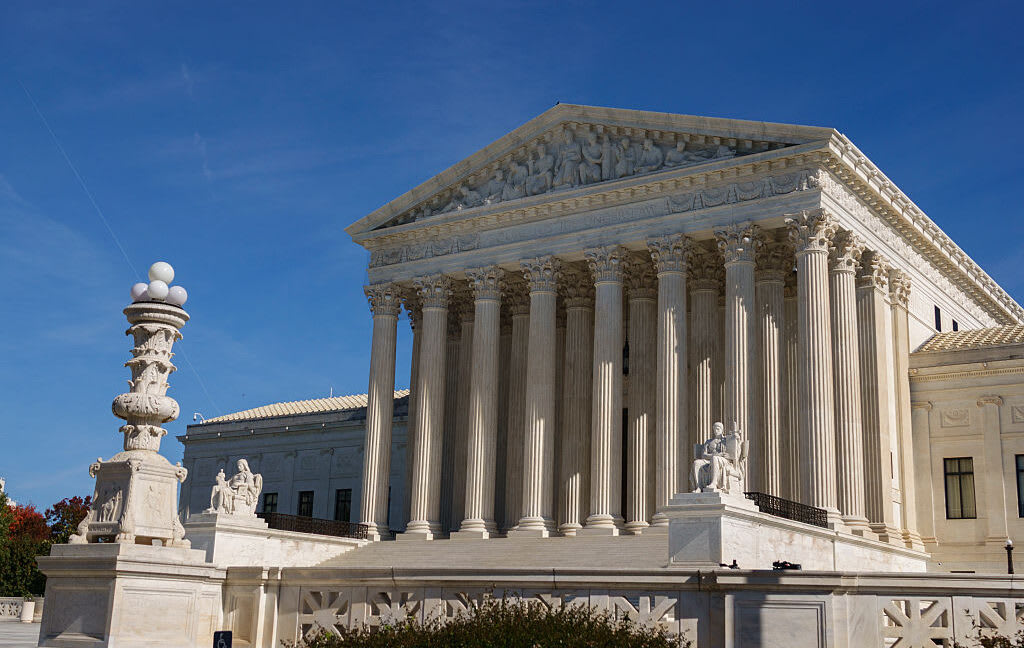
The U.S. Supreme Court has declined to hear an appeal regarding the Trump administration's attempt to cut $59 million in DEI-related research grants. This decision effectively upholds a lower court ruling that protected the funding on First Amendment grounds.
Supreme Court Denies Review of DEI Grant Cuts
The U.S. Supreme Court’s recent decision to decline an appeal regarding the Trump administration’s attempt to defund diversity, equity, and inclusion (DEI) initiatives marks a significant legal checkpoint in the ongoing debate over academic freedom and executive authority. By refusing to hear the case, the Court has allowed a lower-court injunction to stand, effectively protecting approximately $59 million in federal research grants previously awarded to University of California (UC) researchers.
The Constitutional Conflict
At the heart of this legal battle is the tension between executive policy directives and the First Amendment protections afforded to academic researchers. The lower court ruling, which the Supreme Court has now left undisturbed, determined that the administration’s efforts to revoke funding likely violated the constitutional rights of the researchers. The court concluded that the targeted defunding of specific research projects—based on their DEI-related themes—constituted a government abridgment of freedom of speech, a cornerstone of constitutional law.
Implications of the Ruling
While the current legal victory directly impacts seven specific researchers within the University of California system, the broader implications are profound. Federal agencies, including the National Institutes of Health and various departments involved in grant distribution, now operate under a judicial precedent that restricts the executive branch from unilaterally pulling funding based on ideological or programmatic scrutiny of DEI content. This serves as a critical check on the administration's ability to use the power of the purse to reshape academic institutional priorities.
Historical Context and Executive Power
This case sits within a broader landscape of administrative efforts to curb DEI programs across public institutions. Historically, federal research funding has been subject to various policy shifts; however, the attempt to retroactively cancel grants based on specific policy criteria is often viewed through the lens of political overreach. By invoking the First Amendment, the judiciary is signaling that scientific inquiry and academic discourse are protected from arbitrary political interference, even when that interference is framed as a policy directive from the executive branch.
The Path Forward for Academic Research
Looking ahead, this outcome suggests that legal challenges based on free speech protections will remain the primary defense for academic institutions facing similar defunding efforts. While the Supreme Court provided no discussion or dissent, the refusal to intervene suggests a lack of appetite to overturn the lower court's reasoning. For researchers, this provides a temporary reprieve and a standard of legal expectation regarding the security of federal grant support, ensuring that funding decisions remain grounded in merit and established administrative processes rather than shifting political agendas.