$135 billion in debt, still getting loans: Who is keeping Pakistan afloat, and why
Source Entity
KARAN MANRAL
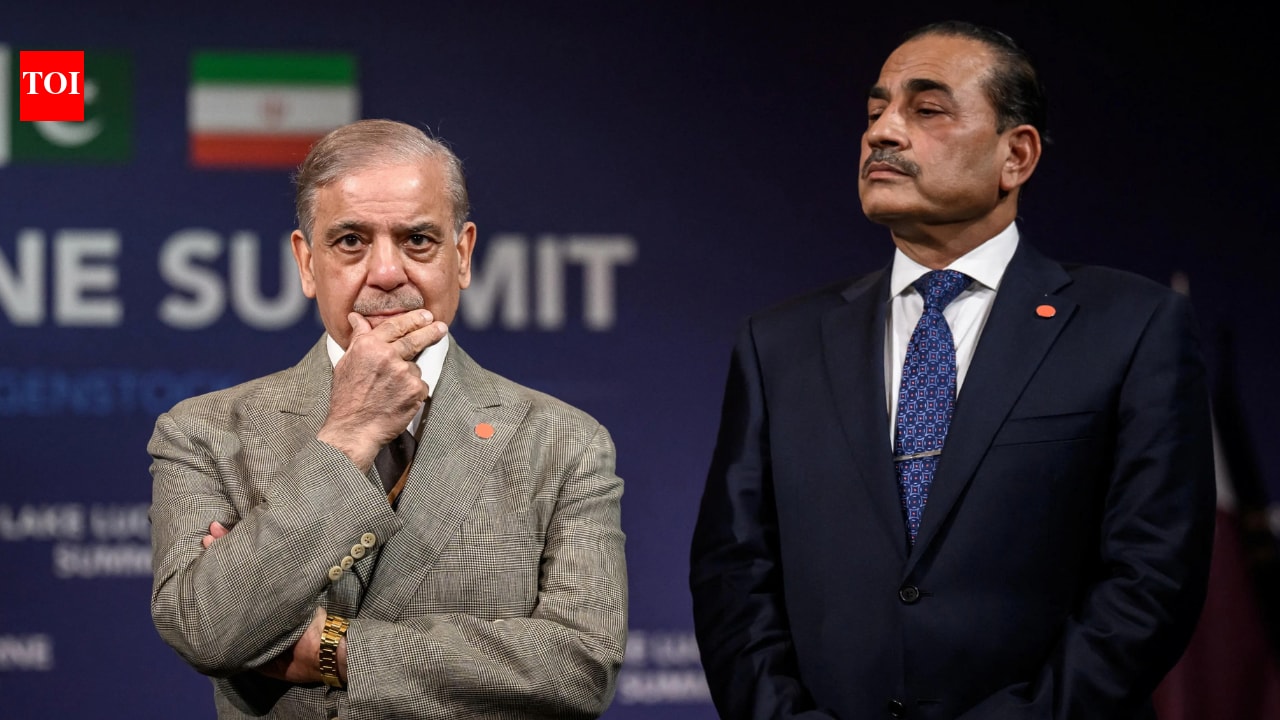
Pakistan is currently managing an external debt exceeding $135.1 billion, relying heavily on support from China and international financial institutions. This dependency raises critical questions about the nation's long-term fiscal independence and the sustainability of its economic trajectory.
The Debt Crisis: An Analysis of Pakistan's Economic Landscape
Pakistan currently finds itself at a precarious economic crossroads, grappling with an external debt burden that has surpassed $135.1 billion. This staggering figure represents a significant portion of the nation's GDP, creating a cycle of dependency that complicates domestic policy and stifles growth. Despite the influx of various financial packages, the country continues to struggle with the dual pressures of high unemployment and rising poverty, highlighting a disconnect between international aid and the actual economic well-being of its citizens.
The Role of 'All-Weather' Diplomacy
A pivotal player in this financial narrative is China, which has long been described as Pakistan’s 'all-weather' friend. Through significant investments, particularly under the umbrella of infrastructure and energy projects, Beijing has become the largest bilateral creditor. While this partnership has provided necessary liquidity during periods of fiscal distress, it has also sparked international debate regarding the long-term implications of such high-level debt exposure. This relationship serves as a cornerstone of Pakistan’s foreign policy, yet it brings with it the complex challenge of balancing geopolitical alliances with economic sovereignty.
Institutional Lending and Economic Stability
Global financial institutions, including the World Bank and the IMF, continue to provide assistance to Pakistan, often acting as lenders of last resort. The rationale for this ongoing support is rooted in the desire to prevent a catastrophic sovereign default that could have regional economic repercussions. These institutions mandate structural reforms, yet the persistence of the debt cycle suggests that these measures have yet to yield the self-sustaining growth required to decouple the nation from its reliance on external credit.
The Challenge of Repayment and Sustainability
The fundamental question remains: can Pakistan actually repay its debt? The current trajectory suggests that without a significant overhaul of the revenue generation model and a reduction in fiscal deficit, the debt-to-GDP ratio will remain unsustainable. The nation's leadership, including Prime Minister Shehbaz Sharif and Chief of Army Staff Asim Munir, faces the daunting task of navigating these economic realities while maintaining social stability in a climate of high inflation and limited economic opportunity.
Consequences of Creditor Withdrawal
If international creditors were to cease lending, the immediate impact would likely be a liquidity crisis of historic proportions. The inability to finance essential imports—ranging from fuel to food—would exacerbate current poverty rates and likely lead to severe civil unrest. Furthermore, a total cessation of credit would force a painful, involuntary restructuring of the economy, potentially leading to a decade of stagnation. This scenario underscores why global stakeholders remain invested in keeping Pakistan afloat, despite the inherent risks involved in the current lending model.
Future Outlook: A Path to Independence?
Moving forward, the primary goal for Islamabad must be the transition from debt-financed consumption to export-led growth and domestic revenue mobilization. While the support of China and international lenders provides a temporary buffer, long-term stability can only be achieved through structural adjustments that attract foreign direct investment and foster a more resilient domestic industrial base. The coming years will be decisive in determining whether Pakistan can successfully reorient its economy or remain tethered to the complexities of international debt management.