‘This is the reason they are in mess’: Ex-Pakistan coach tears into PCB
Source Entity
PRANAV SHUKLA
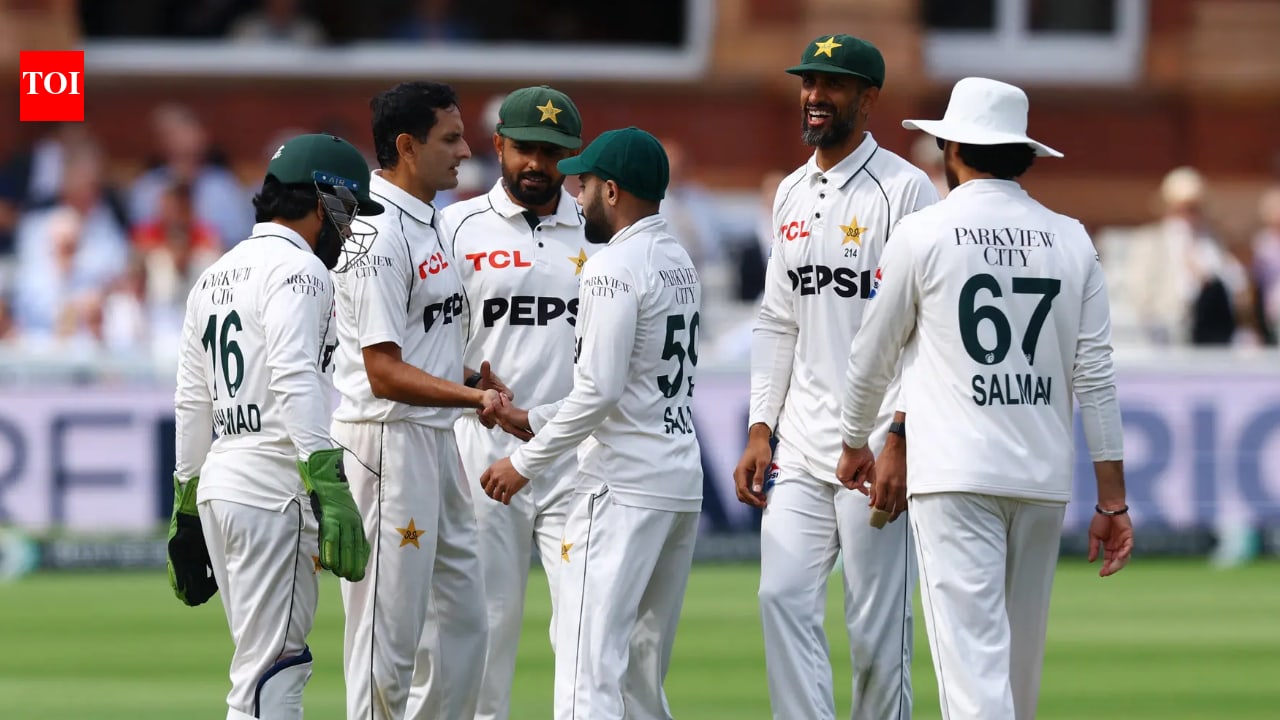
The Pakistan Cricket Board is facing internal turmoil following the resignation of selector Misbah-ul-Haq amid a massive squad overhaul. Reports suggest that leadership rifts and frequent administrative changes have severely impacted the team's performance.
The Crisis Engulfing Pakistan Cricket
The Pakistan Cricket Board (PCB) is currently navigating a period of profound instability, marked by high-profile resignations and a radical restructuring of its national Test squad. The resignation of former captain Misbah-ul-Haq from the national selection committee serves as a poignant indicator of the internal discord, particularly as reports suggest he was not consulted regarding the sweeping changes implemented by the board. This departure reflects a broader breakdown in communication and strategic alignment within the PCB hierarchy.
The Fallout of Performance and Leadership
Recent poor performances, most notably in the Test series against England, have served as the catalyst for these drastic measures. The board’s decision to dismiss several players and coaching staff members has been met with significant criticism, including from former coach Mickey Arthur. Arthur has publicly argued that the PCB’s tendency to make hasty, reactionary decisions undermines the consistency required to build a stable team, ultimately leaving the squad in a state of disarray as they contend with the complexities of the World Test Championship.
Allegations of Internal Rifts
Compounding the administrative turmoil are persistent allegations regarding a fractured locker room. Former cricketer Basit Ali has pointed toward a deep-seated rift between Babar Azam and Shaheen Afridi as a primary driver of the team’s recent downfall. This alleged leadership dispute coincides with a period of frequent captaincy changes following the 2023 ODI World Cup, suggesting that the team's struggles are as much about interpersonal politics as they are about technical performance.
Strategic Overhaul and Uncapped Talent
In a move to reset the team's trajectory, the PCB has introduced five uncapped players into the Test squad for the upcoming Birmingham Test. The new-look roster, featuring names like Arafat Minhas, Azan Awais, and Ubaid Shah, represents a high-stakes gamble on youth to replace the veterans who were recently sidelined. Whether these debutants can stabilize a team reeling from coaching turnover remains to be seen, but the move highlights the board's desperation to move past the current losing streak.
Broader Implications for Pakistan Cricket
The current situation illustrates the perils of administrative volatility in professional sports. When a governing body prioritizes swift, punitive changes over long-term development, the resulting lack of continuity often affects player morale and performance on the field. The public airing of grievances by former stalwarts like Arthur and Ali underscores the loss of institutional confidence in the current leadership led by Mohsin Naqvi.
Future Outlook
As Pakistan prepares for the Birmingham Test, the focus will inevitably be on how the new squad dynamic functions under the weight of such intense scrutiny. The success or failure of these debutants will either validate the PCB’s aggressive strategy or serve as a cautionary tale about the dangers of impulsive management. For Pakistan cricket to recover, it must move beyond the cycle of blame and leadership rifts to establish a cohesive vision that fosters both talent and administrative stability.
Multiple Citing Sources