11 coaches in 5 years: Inside Pak cricket’s never-ending coaching carousel
Source Entity
NITESH DUBEY
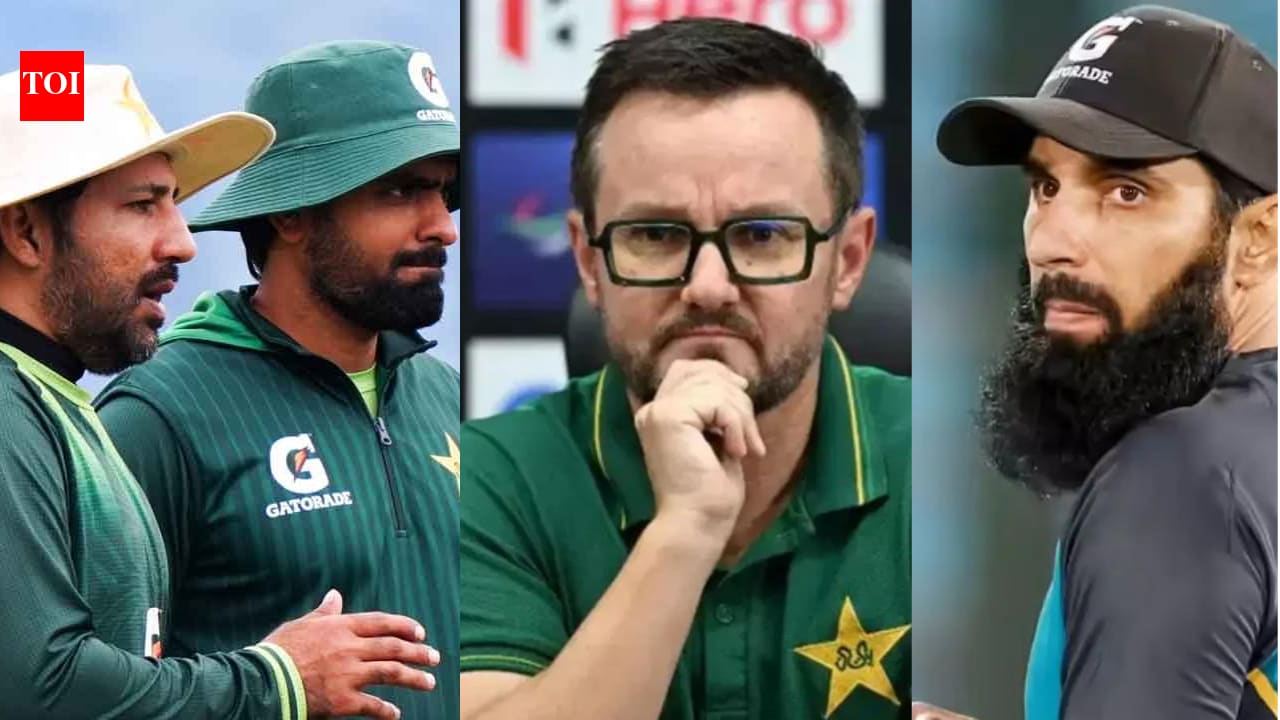
Pakistan cricket has faced chronic instability with 11 coaching changes in five years. This constant management reshuffling has hindered team consistency and strategic development.
The Crisis of Continuity: Pakistan Cricket's Coaching Carousel
Pakistan cricket is currently grappling with a cycle of extreme instability, evidenced by the staggering turnover of 11 coaches within a mere five-year span. Since September 2021, the Pakistan Cricket Board (PCB) has repeatedly attempted to reset its leadership structure, yet these efforts have resulted in a disjointed approach that hampers long-term strategic growth. This pattern of constant management reshuffles suggests a deeper systemic issue regarding how the board identifies, supports, and empowers its coaching staff.
A History of Rapid Turnover
The volatility began with initial resets involving figures like Misbah-ul-Haq and Saqlain Mushtaq. These early changes set a precedent for a 'revolving door' policy where short-term results are often prioritized over building a cohesive team culture. The 2023-24 period saw yet another major reshuffle, further destabilizing the squad as players were forced to adapt to varying philosophies and tactical expectations in rapid succession.
The Failure of High-Profile Appointments
The PCB has frequently turned to globally renowned figures, such as Jason Gillespie and Gary Kirsten, in hopes of providing stability and technical expertise. However, the tenure of these prominent coaches has proven to be short-lived, highlighting a disconnect between the board’s expectations and the reality of the team’s performance requirements. When even world-class talent cannot maintain a position, it signals that the dysfunction lies within the organizational framework rather than the individual coaches.
The Impact of Mid-Series Departures
Perhaps the most alarming development occurred in 2026, when Sarfaraz was appointed to lead the Test team only to be removed mid-series. Such a decision is highly atypical in professional sports and serves as a prime example of the reactionary decision-making that has come to define the PCB. Removing a coach during a series creates unnecessary pressure on the players, disrupts tactical preparation, and erodes the authority of the coaching staff.
Strategic Implications and Future Trends
The arrival of figures like Hesson and the transition of Azhar to red-ball duties in 2025 demonstrate the board's ongoing experimentation with different management roles. By splitting responsibilities across formats, the PCB aims to address the complexity of modern cricket, yet without a sustained period of trust, these structural changes are unlikely to yield success. Moving forward, the team faces the daunting task of establishing an identity amidst a culture that seemingly prefers frequent resets over patience.
Conclusion
In summary, the 11 coaching changes since 2021 represent a significant hurdle for Pakistan cricket. Until the PCB can commit to a long-term vision that transcends immediate results, the team will likely continue to struggle with inconsistency. The future of Pakistan cricket depends on the board’s ability to move away from this coaching carousel and toward a model of stable, consistent leadership.