Pakistan's Damage Control With Saudi After Backtracking On Houthi Fight
Source Entity
NDTV News Search Records Found 1000
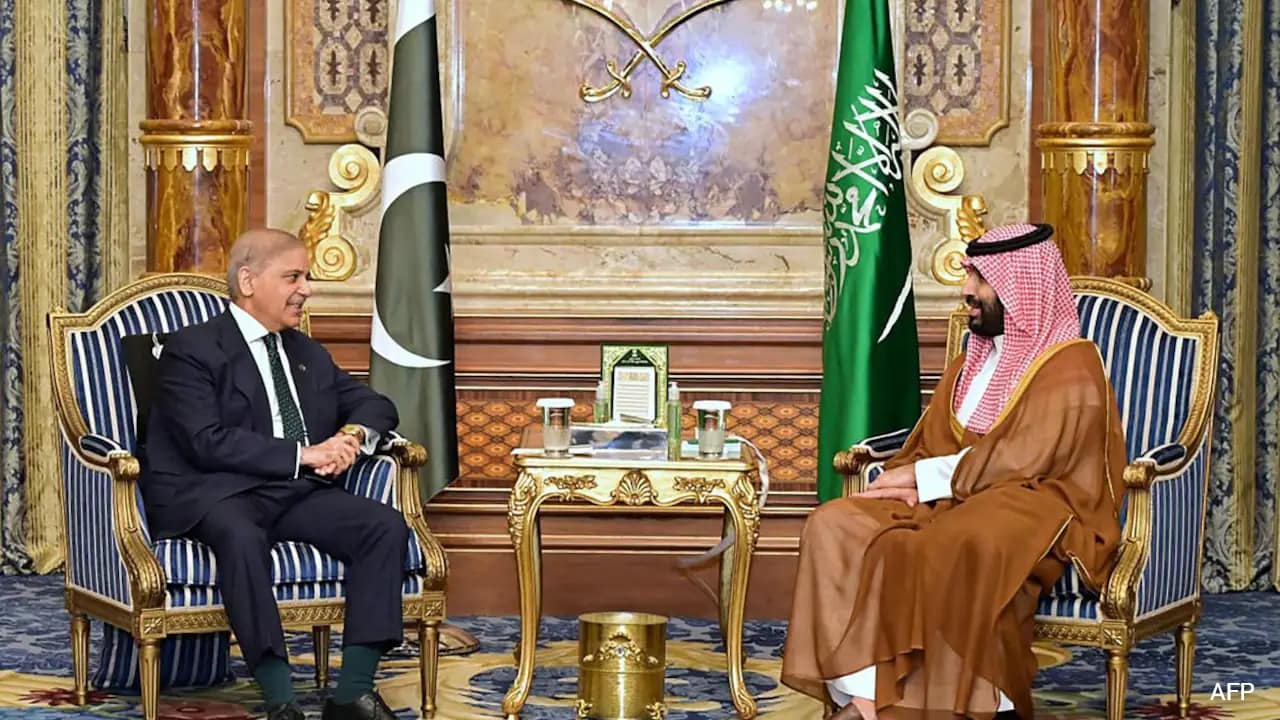
Pakistan is navigating a delicate diplomatic balance as it hesitates to invoke the Mecca Pact against Houthi forces in Yemen. Meanwhile, Saudi Arabia is seeking enhanced U.S. military support, receiving intelligence and targeting aid after Washington declined direct intervention.
The Mecca Pact Under Pressure: Pakistan’s Strategic Dilemma
The geopolitical landscape of the Middle East is currently witnessing a significant test of the 'Mecca Pact,' a trilateral defense alliance between Saudi Arabia, Turkey, and Pakistan. Established through the Strategic Mutual Defence Agreement of 2025 and expanded in 2026, the pact was designed to bolster regional security and collective deterrence. However, as Houthi missile and drone attacks on Saudi territory escalate, the alliance faces its first major trial. Pakistan’s apparent reluctance to commit its military forces to the conflict has raised questions about the operational readiness and political will behind this nascent security framework.
Pakistan's Balancing Act
While Pakistani Prime Minister Sharif has publicly declared "complete solidarity" with Saudi Arabia, the reality on the ground reflects a more cautious approach. Defense Minister Khawaja Asif has clarified that the Mecca agreement would only become operational in the event of an unprovoked attack on Saudi soil or a significant spillover of the Yemeni conflict. This cautious stance suggests that Islamabad is wary of becoming embroiled in a protracted conflict with the Houthi movement, preferring to keep the alliance as a deterrent rather than an active combat commitment.
Saudi Arabia’s Search for Security
Simultaneously, Crown Prince Mohammed bin Salman (MBS) is actively seeking external support to mitigate the persistent aerial threats targeting Saudi cities, energy infrastructure, and Red Sea shipping routes. Recent high-level discussions in Jeddah between MBS and U.S. Central Command chief Admiral Brad Cooper underscore the kingdom’s urgency. Despite a reported request for direct U.S. military intervention against Houthi positions, the Trump administration has opted for a measured approach, focusing on intelligence-sharing, targeting assistance, and strategic air-defense advice.
The Shifting Dynamics of Regional Alliances
This development highlights a shift in how regional powers manage security threats. The reliance on the Mecca Pact remains conditional, and Riyadh’s simultaneous outreach to Washington indicates that the kingdom does not view its trilateral alliance as a total replacement for its traditional security partnership with the United States. The U.S. refusal to engage in direct combat, while offering technical and intelligence support, suggests a desire to avoid a wider regional war while still upholding the defense of a key ally.
Future Implications and Regional Stability
As the Houthi threat continues, the cohesion of the Mecca Pact will be closely monitored. Should the conflict worsen, Pakistan will face increasing pressure to define the limits of its commitment. The current strategy of "damage control"—balancing diplomatic reassurances to Riyadh with military restraint—is likely to remain the status quo. Future regional stability will depend on whether this mix of limited U.S. intelligence support and the collective deterrence signaled by the Mecca Pact is sufficient to force a de-escalation of the Houthi campaign.
Multiple Citing Sources
Verification Required?