Pak Vows To Defend Saudi Against Iran-Backed Houthis By "Whatever Means"
Source Entity
NDTV News Search Records Found 1000
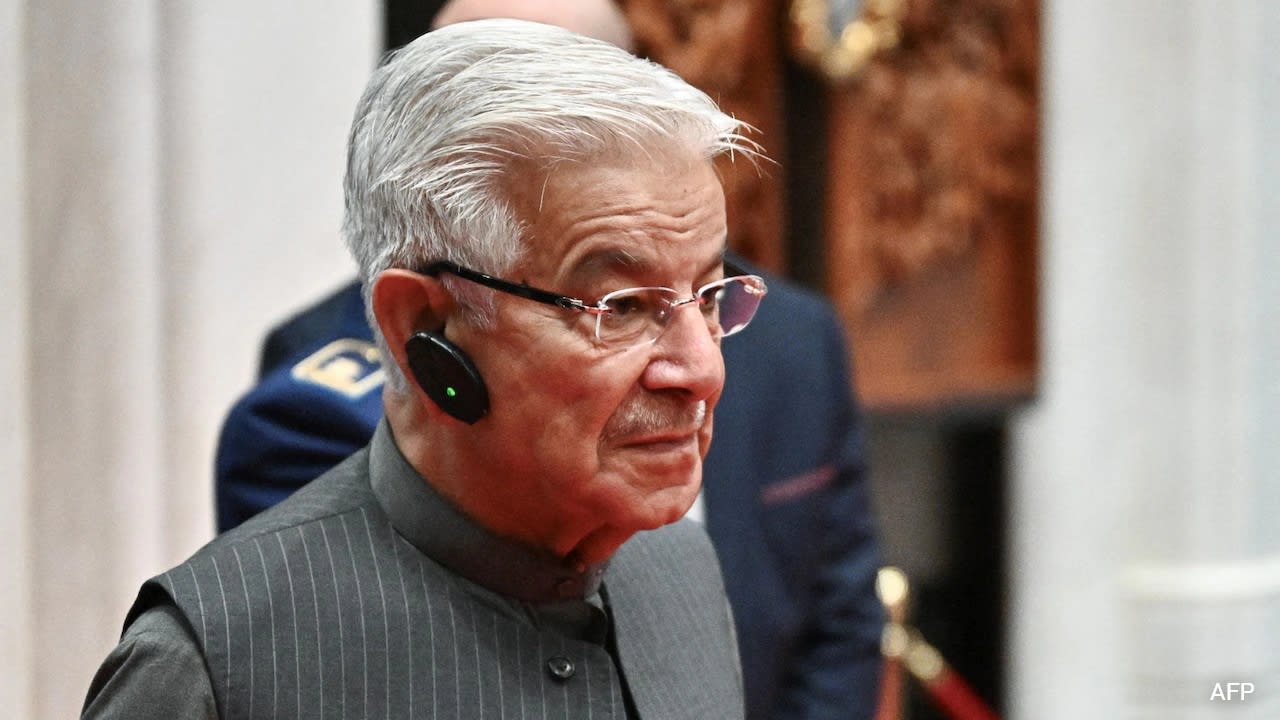
Pakistan, Saudi Arabia, and Turkey have convened in Riyadh to coordinate a defense strategy against Houthi militant attacks. Pakistan has formally pledged to defend Saudi sovereignty using all necessary means to ensure regional stability.
Strategic Alignment in the Middle East
Recent high-level discussions in Riyadh involving Pakistan, Saudi Arabia, and Turkey mark a significant pivot in regional security dynamics. The meeting, focused on addressing the persistent threat of Iran-backed Houthi attacks, underscores a collective commitment to maintaining the territorial integrity of the Kingdom of Saudi Arabia. By positioning itself as a primary security partner, Pakistan has signaled a robust commitment to its long-standing alliance with Riyadh, pledging to defend the nation by "whatever means" necessary.
The Role of Pakistan’s Security Commitment
Pakistan’s involvement in these talks highlights its strategic importance as a military powerhouse within the Islamic world. The pledge to defend Saudi Arabia is not merely rhetorical; it reflects deep-rooted historical military cooperation between the two nations. As Houthi-led operations continue to disrupt regional stability and threaten maritime and land-based infrastructure, Pakistan’s willingness to intervene provides a crucial deterrent, potentially recalibrating the operational calculus of non-state actors in the region.
Turkey’s Geopolitical Influence
Turkey’s participation in the Riyadh summit introduces a complex layer of diplomatic and military maneuvering. Ankara’s presence suggests a broader effort to unify major regional powers against the destabilizing influence of Iran-backed proxies. By aligning with Saudi Arabia and Pakistan, Turkey is leveraging its own geopolitical clout to secure its interests in the Middle East, effectively broadening the coalition of nations dedicated to countering the Houthi insurgency.
Analyzing the Houthi Threat
The Houthi attacks represent a persistent challenge to the security architecture of the Arabian Peninsula. By utilizing advanced drone and missile technology, these groups have frequently targeted civilian and economic infrastructure, creating a volatile environment that necessitates a unified, multilateral response. The Riyadh meeting serves as a formal acknowledgment that individual national efforts may be insufficient to contain these threats, favoring a collaborative security framework instead.
Future Trends and Regional Stability
Looking ahead, this trilateral cooperation could evolve into a more permanent security pact. If Pakistan, Saudi Arabia, and Turkey successfully formalize their response mechanisms, it could lead to increased intelligence sharing, joint training exercises, and a more coordinated diplomatic stance against external provocations. Such a trend would likely diminish the efficacy of proxy warfare in the region, forcing a strategic reassessment by those supporting the Houthi militants.
Conclusion
In summary, the recent meeting in Riyadh is a decisive step toward stabilizing the region. The pledge by Pakistan to defend Saudi Arabia, supported by the diplomatic weight of Turkey, signals a new era of proactive regional security. While the situation remains fluid, the formation of this collaborative front is a clear indicator that regional powers are increasingly willing to use unified military and diplomatic resources to maintain sovereignty and deter aggression.
Verification Required?