Pak vessel PNS Hunain collides with Navy ship: All about Yarmook-class corvette
Source Entity
AADRITA HALDER
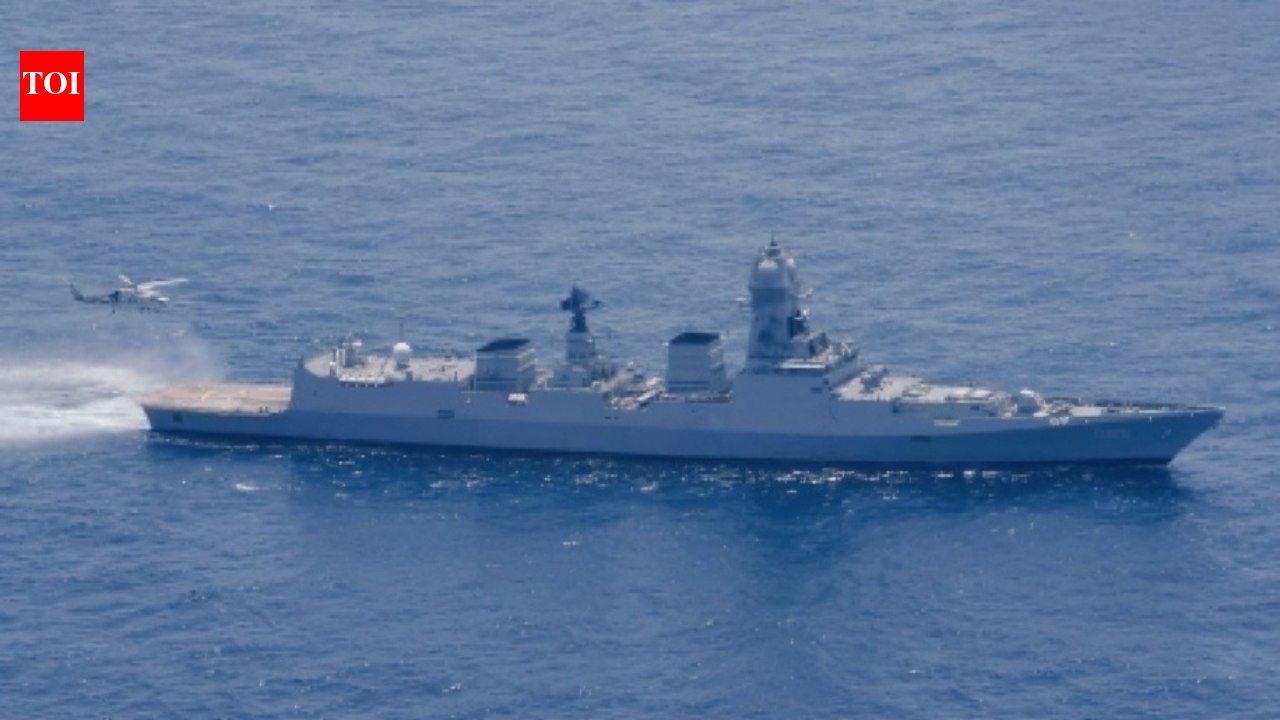
A Pakistani naval vessel collided with an Indian warship in the Arabian Sea following what Indian officials described as unsafe maneuvers. India has formally protested the incident by summoning the Pakistani Charge d'Affaires, citing violations of maritime safety protocols.
Naval Tensions Rise: Collision in the Arabian Sea
In a concerning development in the Northern Arabian Sea, a Pakistani naval vessel collided with an Indian frontline warship during what has been described as a routine mission. The Indian Navy reports that the Pakistani ship approached at high speeds and executed unsafe, unprofessional maneuvers, directly resulting in the collision. While no physical damage was reported, the incident has sparked significant diplomatic friction between the two nations.
Diplomatic Repercussions
The Indian Ministry of External Affairs (MEA) took immediate diplomatic action by summoning the Pakistani Charge d'Affaires, Saad Warraich, to lodge a formal protest. This move underscores the severity with which New Delhi views the incident, characterizing the conduct of the Pakistani vessel as a direct violation of mutually agreed-upon confidence-building measures (CBMs) established to prevent such escalations at sea.
The Danger of Unprofessional Maneuvers
Former Indian Navy spokesperson Captain DK Sharma has publicly condemned the event, labeling the actions of the Pakistani vessel as "unacceptable." Captain Sharma emphasized that naval operations at sea are governed by strict international rules, regulations, and mandated distances designed to prevent accidents. By ignoring these protocols, the Pakistani vessel created what experts describe as a "very dangerous situation" that could have easily spiraled into a more severe naval engagement.
Grey-Zone Tactics and Strategic Context
Security analysts are viewing this collision through the lens of "grey-zone tactics," a strategy that involves aggressive maneuvers just below the threshold of open conflict. By utilizing high-speed, unsafe navigation, the Pakistani vessel appears to be testing Indian resolve and operational limits. This incident is particularly alarming as it mirrors the dynamics of a similar naval collision that occurred in 2011, suggesting a pattern of behavior that challenges regional maritime stability.
Future Implications for Maritime Safety
The incident highlights the fragility of the maritime environment in the Arabian Sea, an area critical for international trade and security. As India and Pakistan continue to manage their complex bilateral relationship, this collision serves as a stark reminder of the necessity for adherence to the 1991 agreements regarding naval safety. Moving forward, the international community will likely watch closely to see if both nations can reinforce their commitment to maritime protocols to avoid a more catastrophic confrontation in the future.