Pakistani ship collides with Indian vessel: The 1991 treaty it violated
Source Entity
The Indian Express
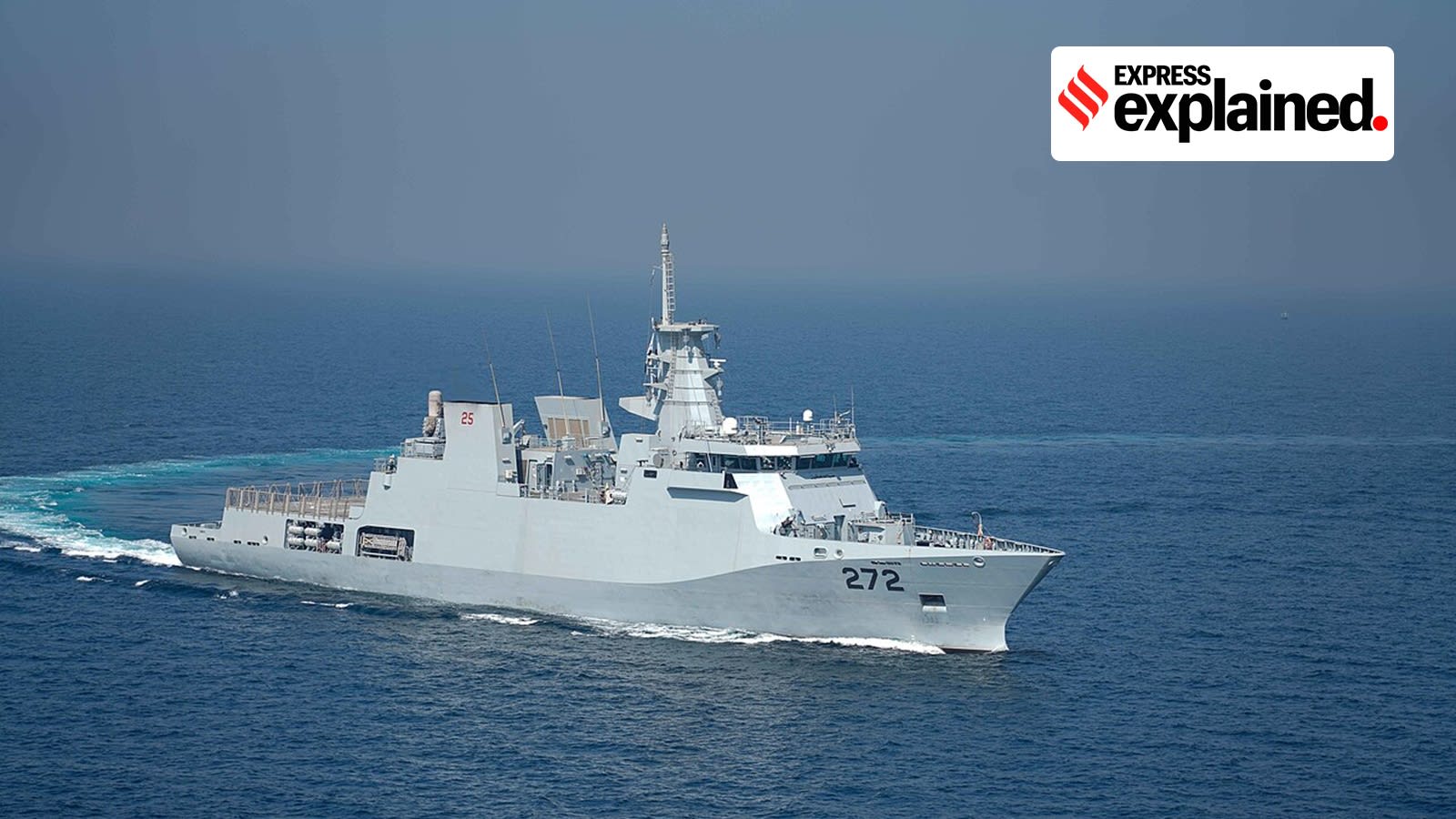
A Pakistani naval vessel collided with an Indian warship in the Arabian Sea following unsafe maneuvers. India has formally protested the incident, citing violations of maritime confidence-building measures and established safety regulations.
Maritime Tensions: Analysis of the Arabian Sea Collision
The Incident and Diplomatic Fallout
A significant maritime confrontation occurred in the Northern Arabian Sea when a Pakistani naval ship collided with an Indian frontline warship. The incident, characterized by Indian officials as the result of unprofessional and unsafe maneuvering at high speeds, has triggered an immediate diplomatic response. The Indian Ministry of External Affairs (MEA) took the decisive step of summoning the Pakistani Charge d'Affaires, Saad Warraich, to lodge a strong formal protest against the conduct of the Pakistani vessel.
Safety Regulations and Naval Protocol
Former Navy spokesperson Captain DK Sharma emphasized that such actions are "unacceptable" and pose a grave risk to maritime security. At the core of the issue are established rules, regulations, and mandatory safe distances that must be maintained between naval vessels at sea. These protocols, often governed by international maritime law and bilateral agreements—such as the 1991 agreement on the prevention of incidents at sea—are designed to prevent accidental escalation. By ignoring these safety margins, the Pakistani vessel has effectively bypassed the standard safeguards intended to keep routine naval missions from turning into kinetic conflicts.
The 'Grey-Zone' Tactical Shift
Analysts suggest this collision reflects a concerning entry of "grey-zone" tactics into the Arabian Sea—a strategy often associated with coercive, non-kinetic measures that fall below the threshold of declared war but aim to challenge an adversary's operational space. By approaching an Indian vessel on a routine mission with high-speed, erratic maneuvers, the Pakistani Navy is seen as testing regional boundaries. This tactical shift mirrors broader global trends where naval assets are used as instruments of intimidation rather than standard maritime navigation.
Historical Precedent and Regional Stability
This is not the first time such an incident has disrupted the fragile peace in the Arabian Sea. The event draws uncomfortable parallels to a similar naval collision that occurred in 2011, highlighting a recurring pattern of unprofessional conduct that undermines mutual confidence-building measures. These measures were specifically established to act as a buffer between the two nations' navies, yet their repeated violation suggests a breakdown in the communication channels that are vital for preventing miscalculation.
Future Implications for Naval Engagement
The potential for a "very dangerous situation," as warned by Captain Sharma, remains high if these maneuvers continue. The collision serves as a reminder that the Arabian Sea is a theater of high-stakes naval posturing. Moving forward, the focus will likely remain on whether diplomatic pressure from the Indian government can compel Pakistan to adhere to international maritime standards. Failure to restore these professional norms could lead to a more militarized environment, increasing the risk of accidental skirmishes escalating into wider regional instability.
Multiple Citing Sources