Battle of Chile director Patricio Guzmán dies aged 85
Source Entity
Andrew Pulver
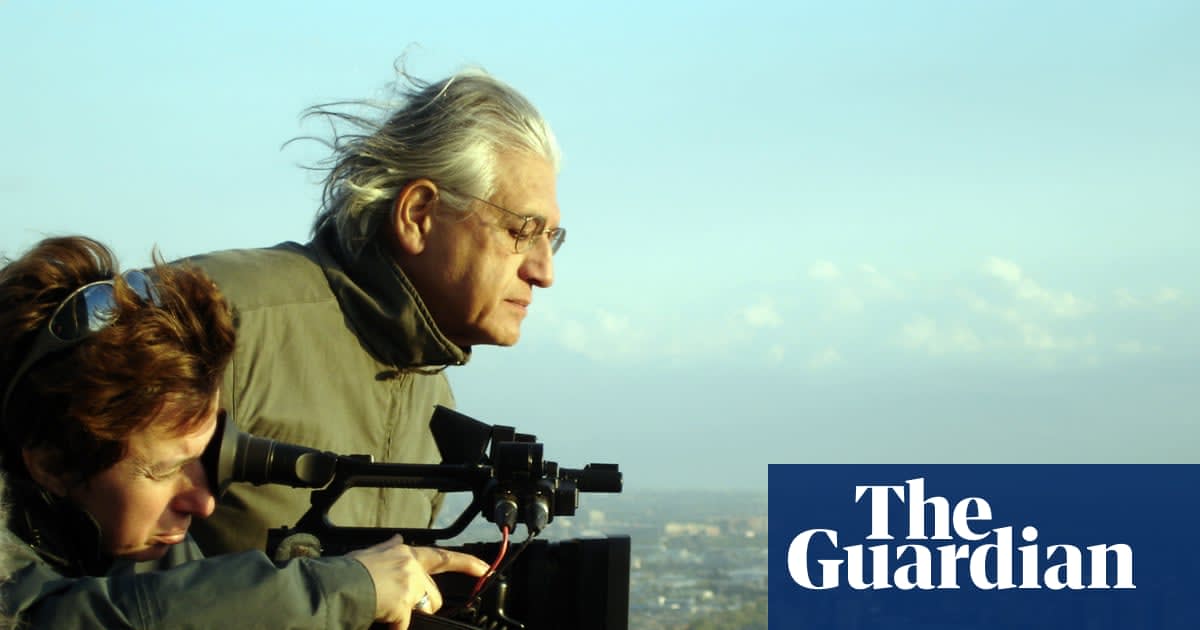
Renowned Chilean filmmaker Patricio Guzmán has passed away at 85 in Paris. Known for documenting the 1973 Pinochet coup, his work remains a vital historical record of Chile's political trauma.
The Legacy of Patricio Guzmán: Documenting a Nation's Trauma
Patricio Guzmán, the visionary filmmaker whose lens served as the primary witness to Chile's most turbulent political era, has died at the age of 85. According to reports from the Chilean outlet Emol, Guzmán passed away in Paris following a cardiorespiratory arrest. His death marks the loss of one of the most significant voices in documentary cinema, a man whose career was inexorably linked to the rise and fall of political regimes in his home country.
Chronicling the 1973 Coup
Guzmán’s most seminal work, The Battle of Chile, stands as a monumental achievement in political filmmaking. By capturing the visceral, unfolding chaos of the 1973 military coup led by Augusto Pinochet against the democratically elected president, Salvador Allende, Guzmán provided an unfiltered account of the violence and social fragmentation that defined the decade. His commitment to capturing these events under extreme duress established his reputation as a filmmaker who prioritized historical truth over comfort.
The Intersection of Memory and Geography
Beyond the immediate political urgency of the 1970s, Guzmán’s later work evolved into a meditative exploration of memory. In films such as Nostalgia for the Light, he masterfully connected the physical landscape of the Atacama Desert to the search for the remains of the disappeared victims of the Pinochet regime. By juxtaposing the work of astronomers looking into the cosmos with women searching the sand for the bones of their loved ones, he elevated his narrative from local political critique to a universal commentary on human suffering and historical erasure.
Philosophical Approach to Filmmaking
Despite the political nature of his subject matter, Guzmán often resisted the label of 'activist' or 'political filmmaker.' He maintained that his work was driven by a personal compulsion to document the scars left by a dictator rather than a desire to serve a specific political ideology. As he noted in previous interviews, his role was not that of a sociologist or a politician, but of a witness who felt permanently marked by the events he captured, unable to move past the weight of that history.
Impact on Global Documentary Cinema
Guzmán’s influence extends far beyond the borders of Chile. His aesthetic—which blends poetic reflection with strict observational realism—has shaped how modern documentarians approach the intersection of personal narrative and state-sponsored violence. By refusing to let the trauma of the 1970s fade into obscurity, he ensured that future generations would have access to the lived reality of Chile's struggle for democracy.
Conclusion: A Lasting Historical Record
Patricio Guzmán leaves behind a body of work that functions as a collective memory for a nation that has often struggled with its own history. His death in Paris closes a significant chapter in film history, but his films remain as vital, burning documents of a past that continues to inform Chile’s present. His legacy is secure, resting on his unwavering commitment to ensuring that the voices and truths of the victims of tyranny are never truly silenced.