Planes sent to tackle wildfires of 'exceptional scale' near Paris
Source Entity
BBC News
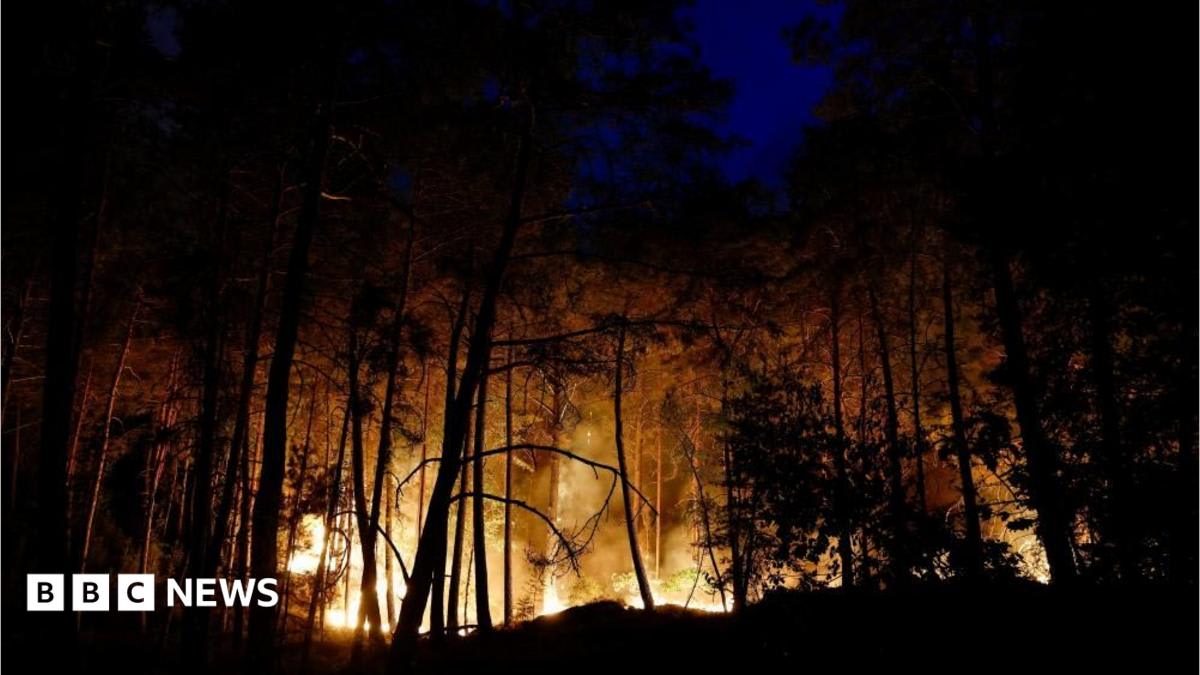
It was the first time firefighting planes had been sent up from the normally drier and hotter south of the country to tackle fires in the Paris region.
Unprecedented Aerial Response to Paris Region Wildfires
In a stark departure from traditional disaster management protocols, French authorities have deployed firefighting aircraft from the southern regions of the country to combat wildfires near Paris. This operation is described as a response to fires of an "exceptional scale," marking the first time such high-capacity aerial assets—typically reserved for the arid landscapes of the Mediterranean coast—have been mobilized for the Île-de-France region. This escalation underscores the severity of the current blaze and the inadequacy of local ground-based resources to contain the perimeter.
A Shift in Geographic Risk Profiles
Historically, the south of France has been the primary battleground for wildfires due to its naturally hotter and drier climate. The deployment of southern aircraft to the north represents a significant shift in the perceived risk profile of the Paris region. While Northern France has traditionally been characterized by a more temperate, humid climate, the occurrence of "exceptional scale" fires suggests a dangerous convergence of conditions. This geographic shift indicates that the environmental barriers that once protected the capital region from large-scale forest fires are eroding, necessitating a nationalized approach to resource allocation.
Climate Implications and the 'Mediterraneanization' of the North
This event serves as a critical indicator of broader climate trends affecting Western Europe. The necessity of bringing in southern equipment suggests a process of "Mediterraneanization," where northern latitudes begin to experience the extreme heat and drought cycles previously confined to the south. When the normally drier south is called upon to save the north, it highlights a systemic vulnerability: the increasing frequency of extreme weather events that can turn any forested area into a tinderbox, regardless of its historical climate data.
Logistical Challenges and Strategic Mobilization
Moving firefighting planes across the country is a complex logistical feat that involves significant cost and coordination. The decision to do so reflects a high-stakes calculation by emergency services, weighing the risk of leaving the south vulnerable against the immediate threat to the Paris region. This mobilization reveals a gap in the current regional infrastructure of the north, which was not designed for aerial firefighting on this scale. The reliance on southern assets suggests that the current regional response plans for the capital are being pushed to their absolute limits.
The Urban-Wildland Interface Risk
Wildfires near a global metropolis like Paris present unique challenges compared to rural fires in the south. The dense population and critical infrastructure of the Paris region increase the potential for catastrophic loss. The "exceptional scale" of these fires creates a high-risk scenario at the urban-wildland interface, where fire can quickly jump from forested outskirts into residential zones. The use of aerial tankers is essential in these scenarios to create firebreaks and protect high-density areas that ground crews cannot reach quickly enough.
Future Trends in Disaster Management
Looking forward, this event will likely trigger a re-evaluation of France's national firefighting strategy. It is probable that the government will move toward a more decentralized model of aerial support or invest in permanent firefighting aviation capabilities for the northern regions. As the probability of such events increases, the "first time" nature of this deployment will likely become a recurring necessity, forcing urban planners in the Paris region to integrate wildfire mitigation into their environmental policies.
Conclusion
The deployment of southern firefighting planes to the Paris region is more than a tactical response to a single emergency; it is a symptom of a changing environmental reality. By tackling fires of an "exceptional scale" in a region previously considered low-risk, France is confronting a new era of climate-driven instability. This event serves as a wake-up call for the necessity of adaptive infrastructure and a flexible, nationalized emergency response system to protect the country's most populous regions.