7 Passed In 36 Minutes: Monsoon Session Saw Many Bills, But No Question Hour
Source Entity
NDTV News Search Records Found 1000
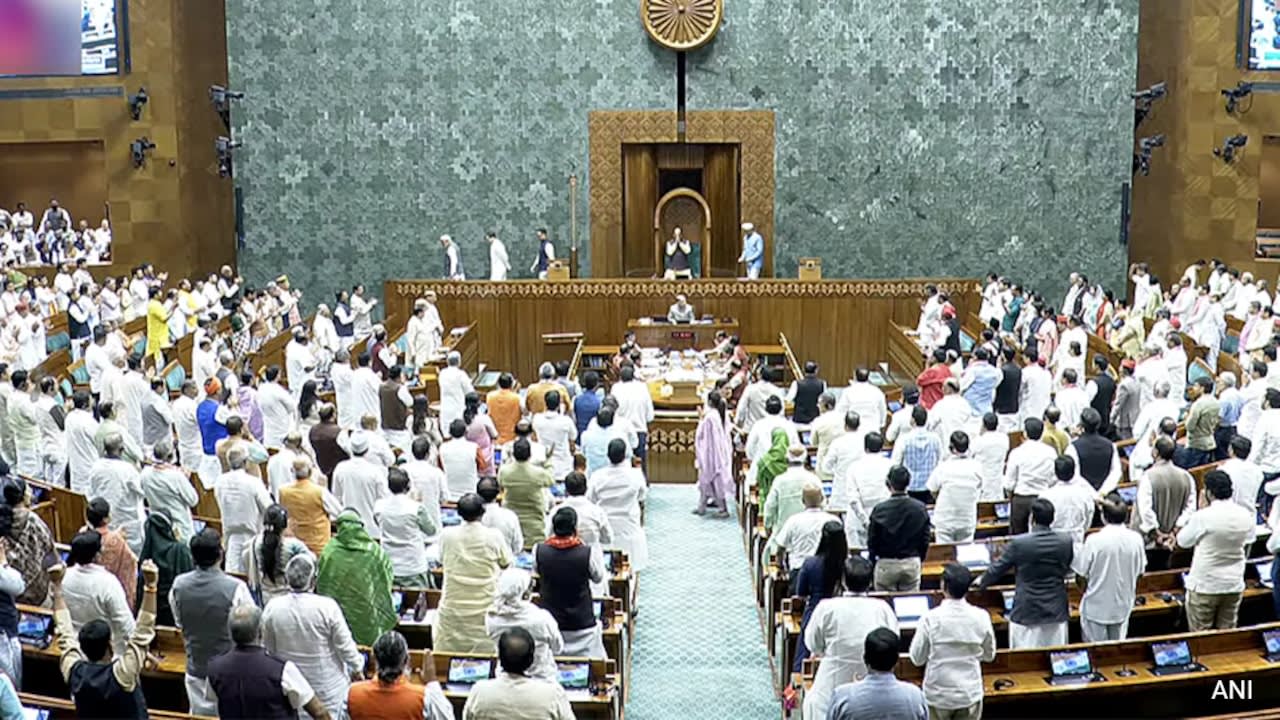
The 2026 Monsoon Session of Parliament faces continued deadlock as opposition protests persist despite government offers for debate. Key legislative business, including the Kerala (Alteration of Name) Bill, remains stalled ahead of the session's conclusion on August 13.
The 2026 Monsoon Session: A Legislative Impasse
The 2026 Monsoon Session of Parliament, which commenced on July 20, has been defined by a persistent legislative deadlock. As of August 11, the proceedings have been frequently disrupted by opposition protests, leading to repeated adjournments, including the most recent suspension of both Houses until 2 p.m. This ongoing friction illustrates a deep-seated disconnect between the ruling government and the opposition regarding the parliamentary agenda and accountability.
The Government’s Position and Legislative Priorities
The government, represented by leaders like J.P. Nadda, has maintained that it is prepared to discuss all issues within the floor of the House. Despite this stated willingness, the legislative calendar remains heavily impacted. The government has prioritized several key pieces of legislation, including the Kerala (Alteration of Name) Bill, 2026, and the National Co-operative Development Corporation (Amendment) Bill, 2026. These bills, alongside others like the Tribunals Reforms Bill and the Mines and Minerals (Development and Regulation) Amendment Bill, represent a significant portion of the session's intended output, which is now at risk as the August 13 conclusion date approaches.
Demands and the Opposition Stance
The impasse is largely driven by the opposition's specific demands. While the government offered a debate on recent student protests and a formal statement from Home Minister Amit Shah, the Congress party has refused to relent. Their conditions extend beyond the initial scope of the debate, including demands for an apology from Prime Minister Narendra Modi regarding alleged police excesses against protesters and a formal statement addressing the alleged embezzlement of Ram temple funds. This escalation of demands suggests that the opposition is using the parliamentary platform to challenge the government on broader governance and accountability issues.
The Impact of Frequent Adjournments
Parliamentary decorum has been a major point of contention, with the Speaker repeatedly urging members to maintain order. However, the frequent adjournments have created a bottleneck for legislative business. While the session has seen the passage of legislation such as The Bankers’ Books Evidence Bill, 2026, the overall productivity of the Monsoon Session has been severely hampered by the inability of the two sides to reach a consensus. The presentation of reports from various Parliamentary Standing Committees has also been affected by the chaotic nature of the daily proceedings.
Future Trends and Concluding Outlook
As the session enters its final days, the pressure to pass pending legislation will likely intensify. The pattern of disruptions suggests that the final days may be characterized by either a last-minute breakthrough or a rushed passage of bills amidst continued uproar. The inability to resolve these procedural conflicts highlights a growing trend in modern parliamentary politics where floor management and consensus-building are increasingly challenged by partisan interests. The upcoming conclusion on August 13 will mark the end of a session that will likely be remembered more for its political friction than its legislative achievements.
Multiple Citing Sources
Verification Required?