From Parliament’s inefficiency, the cost that can be measured in rupees – and the loss that cannot
Source Entity
Gourav Vallabh
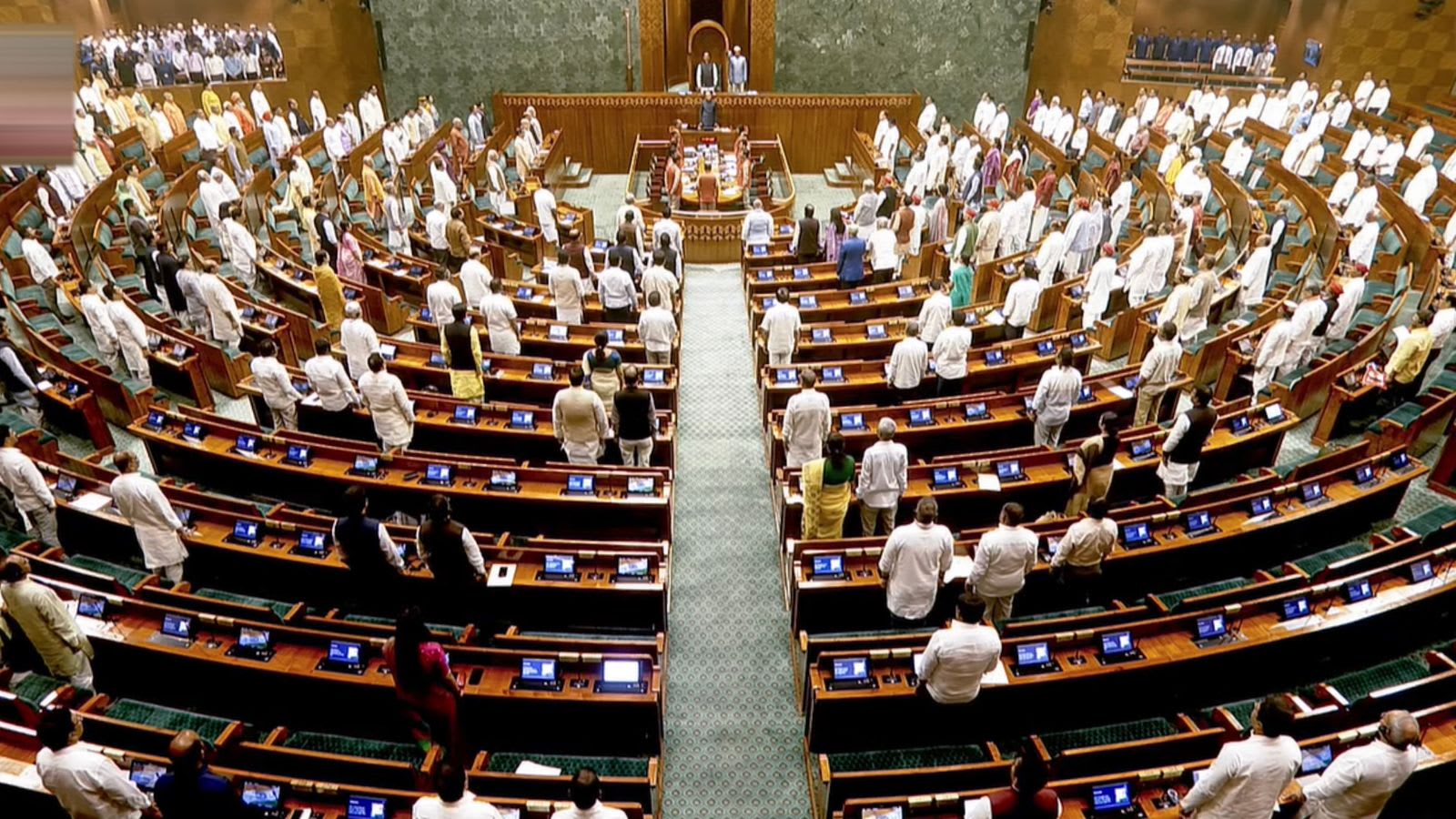
The 2026 Monsoon Session of the Indian Parliament concluded with record-low productivity and frequent disruptions. Despite these challenges, the government referred the contentious FCRA Amendment Bill to a Joint Parliamentary Committee following public and organizational pressure.
The Crisis of Parliamentary Productivity in 2026
The conclusion of the 2026 Monsoon Session has brought the issue of legislative efficiency to the forefront of Indian political discourse. Rajya Sabha Chairperson C.P. Radhakrishnan expressed "deep concern" as he adjourned the House sine die on August 13, 2026, lamenting that the session was derailed by persistent disruptions. With productivity in the Rajya Sabha stalling at a mere 39% and the Lok Sabha performing even lower at 15%, the session highlights a growing disconnect between parliamentary mandate and legislative output.
Quantifying the Cost of Disruption
Beyond the political rhetoric, the cost of these disruptions carries both fiscal and symbolic weight. Data from the PRS Legislative Research dashboard reveals a stark reality: across 19 scheduled sittings, the Lok Sabha functioned for only 17.5 hours, while the Rajya Sabha managed 37.37 hours. This represents a staggering shortfall of approximately 96.5 hours in the Lower House and 76.6 hours in the Upper House. Using historical benchmarks of Rs 2.5 lakh per minute, the financial implications of this lost time are substantial, representing a significant waste of public resources earmarked for democratic deliberation.
The Legislative Toll
Despite the chaotic environment, the Rajya Sabha managed to pass or return 12 Bills. However, the qualitative impact of this limited output remains a subject of intense scrutiny. When the legislative agenda is curtailed by constant adjournments, the depth of debate required for complex policy-making is often sacrificed. This creates a cycle where the "decibel level" of the House—often characterized by protest and confrontation—overshadows the actual legislative work, leaving citizens concerned about the accountability of their elected representatives.
The FCRA Amendment and the JPC Referral
One of the most contentious issues during this session was the Foreign Contribution (Regulation) Amendment Bill, 2026. In a move that signaled a temporary reprieve from legislative gridlock, the government referred the Bill to a Joint Parliamentary Committee (JPC). This decision was met with a cautious welcome from the All India Christian Council. Archbishop Joseph D’Souza, president of the council, noted that while the referral is an acknowledgment that such significant legislation should not be rushed, it does not resolve the fundamental objections held by civil society groups regarding the bill's "vesting" provisions.
Implications for Future Governance
The referral of the FCRA Bill to a JPC serves as a vital case study in the role of parliamentary committees as safety valves in a polarized environment. When the floor of the House becomes untenable for debate, committees provide the necessary space for scrutiny. Looking forward, the 2026 Monsoon Session will likely be remembered as a pivotal moment for parliamentary reform. For the democratic process to function effectively, the challenge lies in balancing the right to protest with the constitutional duty to legislate. The future of Indian parliamentary democracy will depend on whether this trend of low productivity can be reversed through more collaborative engagement between the ruling government and the opposition.
Multiple Citing Sources