The $225 Pebble Time 2 is a refreshingly fun smartwatch
Source Entity
Sarah Perez
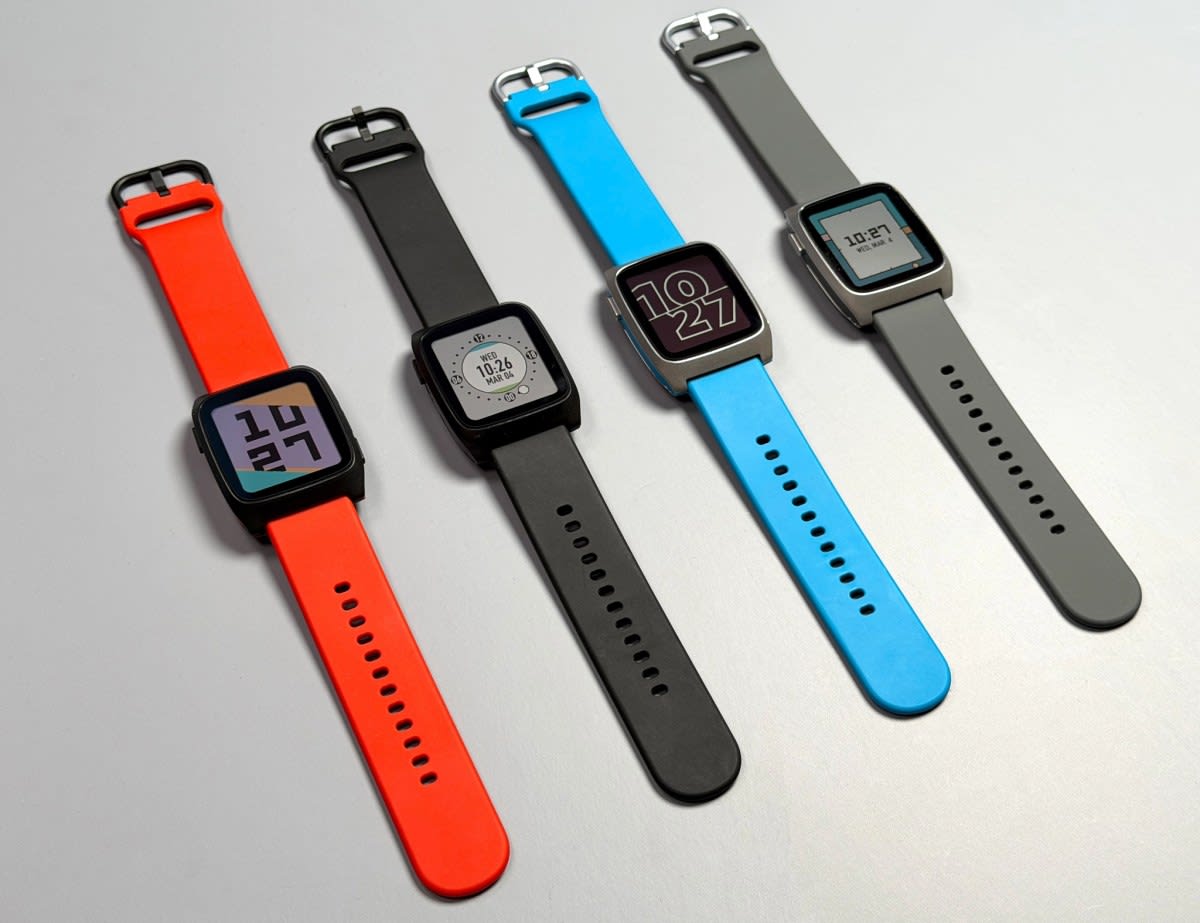
The Pebble Time 2 distinguishes itself from mainstream smartwatches like the Apple Watch by focusing on a playful, retro aesthetic. It features an e-paper display, physical buttons, and exceptional battery life, catering to users who prefer a niche, hacker-friendly device.
The Return of the Indie Spirit: Analyzing the Pebble Time 2
The smartwatch market has long been dominated by high-end, touch-centric devices that aim to function as extensions of our smartphones. However, the $225 Pebble Time 2 challenges this paradigm by embracing a refreshing, "toy-like" aesthetic. By prioritizing a playful user experience over the cold, utilitarian feel of a mini-computer, Pebble has carved out a unique space that appeals to those who value character and simplicity in their wearable technology.
Design Philosophy: E-Paper vs. OLED
One of the most striking departures from industry standards is the Pebble Time 2’s choice of display. While competitors like the Apple Watch utilize vibrant OLED touchscreens designed for media consumption and app-heavy interfaces, the Pebble opts for a color e-paper display. This choice is not merely aesthetic; it is a functional decision that dictates the device's personality. The e-paper screen provides a distinct, static, and legible interface that feels less intrusive than a glowing screen, reinforcing the device's identity as a watch first and a connected device second.
The Allure of Physical Interaction
In an era where touch gestures are the default for every interface, the Pebble Time 2 reintroduces the tactile satisfaction of physical buttons. This design choice speaks to a specific subculture of tech enthusiasts who appreciate "hacker energy" and manual control. The physical interface makes the watch feel more like a tool or a gadget than an ephemeral piece of software, grounding the user in the physical world while still providing access to apps and games.
Battery Life as a Competitive Advantage
Perhaps the most significant technical advantage of the Pebble Time 2’s architecture is its long battery life. By eschewing power-hungry processors and high-resolution touch displays, the device achieves a multi-week battery performance. This addresses a primary pain point for many smartwatch users—the need for daily charging—and positions the Pebble as a reliable companion for those who prioritize convenience and consistent functionality over high-fidelity graphics.
Market Positioning and Future Outlook
By positioning itself as an indie, rebooted brand, Pebble is leveraging nostalgia and a contrarian attitude to differentiate itself. The inclusion of quirky watch faces and simple applications suggests a software ecosystem that values creativity over productivity. As the wearable market matures, there is clear evidence that segments of the population are tiring of the "mini-computer on the wrist" trend, seeking instead devices that are fun, approachable, and less demanding of their attention.
Conclusion: A Niche Worth Watching
The Pebble Time 2 is a testament to the fact that there is still room for unconventional design in a saturated market. By focusing on its core strengths—e-paper technology, physical controls, and a playful brand identity—it offers a compelling alternative to the mainstream. Whether this "hacker-friendly" approach can sustain long-term growth remains to be seen, but for now, it stands as a refreshing reminder that technology can be both functional and inherently fun.