Pete Hegseth decries impeachment push, defends Iran war handling
Source Entity
US Top News and Analysis
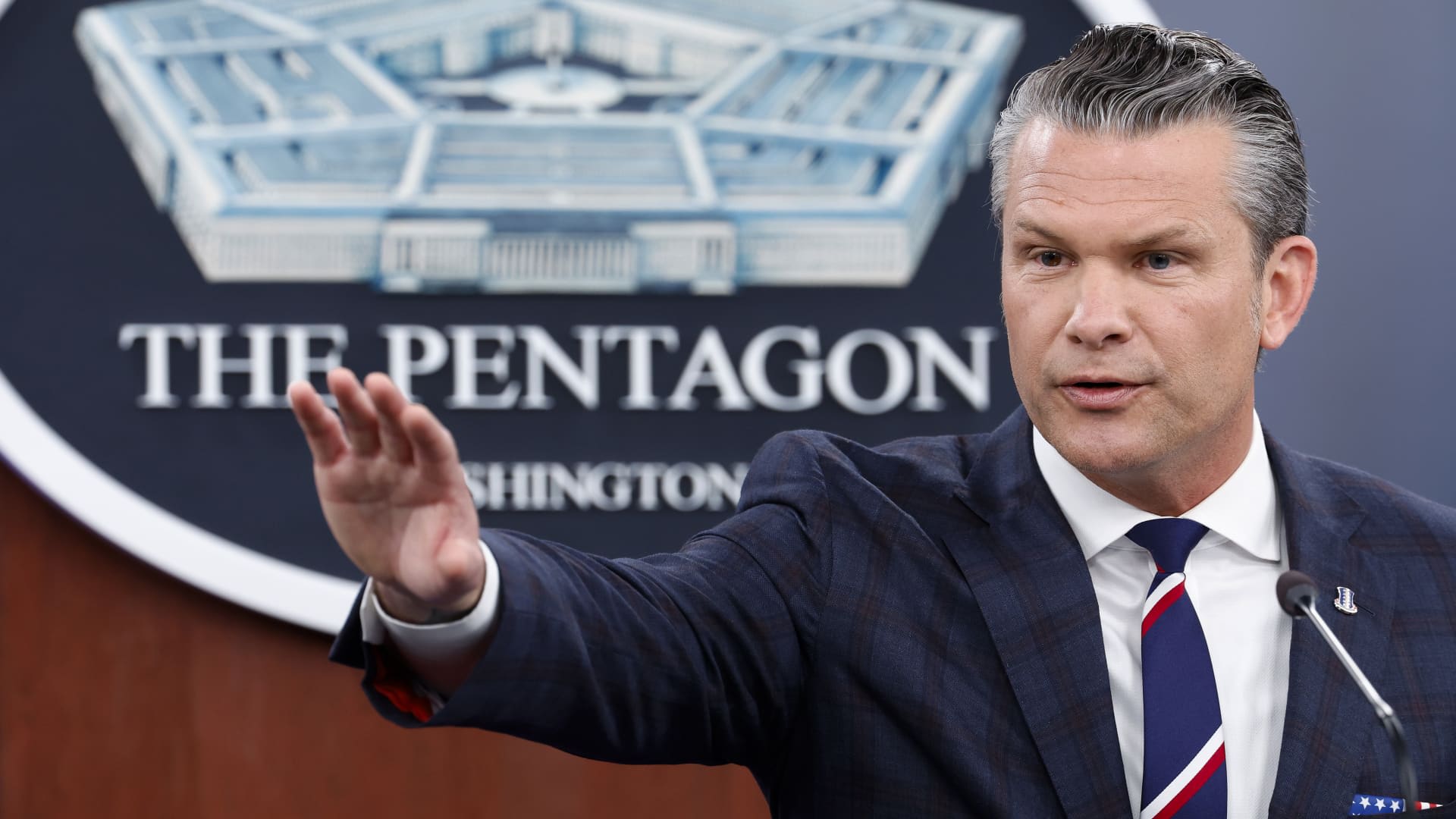
Defense Secretary Pete Hegseth has dismissed impeachment efforts led by Republican Representative Thomas Massie regarding the administration's war in Iran. The move sets up a potential floor vote, challenging party unity following recent legislative election losses.
The Impeachment Challenge: A Pentagon Under Fire
US Defense Secretary Pete Hegseth is currently facing a significant political challenge as Republican Representative Thomas Massie initiates a move to force a vote on articles of impeachment. This development centers on the administration's controversial military actions in Iran, which Massie argues constitute impeachable offenses. Despite the gravity of the constitutional mechanism being invoked, Hegseth has publicly maintained a posture of indifference, stating he is "not worried" about the outcome and remains prepared to defend the Pentagon's record.
The Charges and the Congressman
Representative Thomas Massie has formally outlined his grievances, taking to social media to announce the introduction of eight distinct articles of impeachment. Massie’s strategy pivots away from the subjective effectiveness of the Secretary’s performance, arguing instead that the focus must remain strictly on the legality of the actions taken. By framing the conflict as a matter of constitutional adherence rather than policy preference, Massie is attempting to pressure his fellow Republicans to reconsider their support for the cabinet official.
Broader Political Context
This impeachment push occurs against a backdrop of heightened political volatility. The move follows significant midterm election losses that stripped the Republican Party of its control over both chambers of Congress. This shift in the legislative landscape has emboldened critics and raised the stakes for the Trump administration. The timing of this effort suggests that the political capital of cabinet members is being tested as the new legislative session begins.
The Defense and the Vote
Secretary Hegseth’s dismissal of the threat signals a calculated confidence, perhaps rooted in his assessment of his standing within the House GOP caucus. However, the procedural nature of Massie’s move—which could lead to a floor vote as early as Wednesday—forces a public reckoning. Representatives will be required to go on record regarding the Iran war, a prospect that complicates party unity and forces members to choose between executive loyalty and constitutional oversight.
Future Implications and Trends
Looking ahead, this confrontation serves as a bellwether for the remaining tenure of the administration. If Massie successfully forces a floor vote, it will provide a clear metric of the current administration’s influence over the House. Regardless of the immediate outcome, the introduction of these articles ensures that the debate over the legality of the Iran war will remain at the forefront of the national security conversation, potentially influencing future military engagements and legislative efforts to curtail executive war powers.
Multiple Citing Sources