Trump hiding real Iran war death toll? Huge casualty count row erupts in America amid midterms
Source Entity
Latest News: Todays Latest News Headlines from India & World | Hindustan Times | Hindustan Times
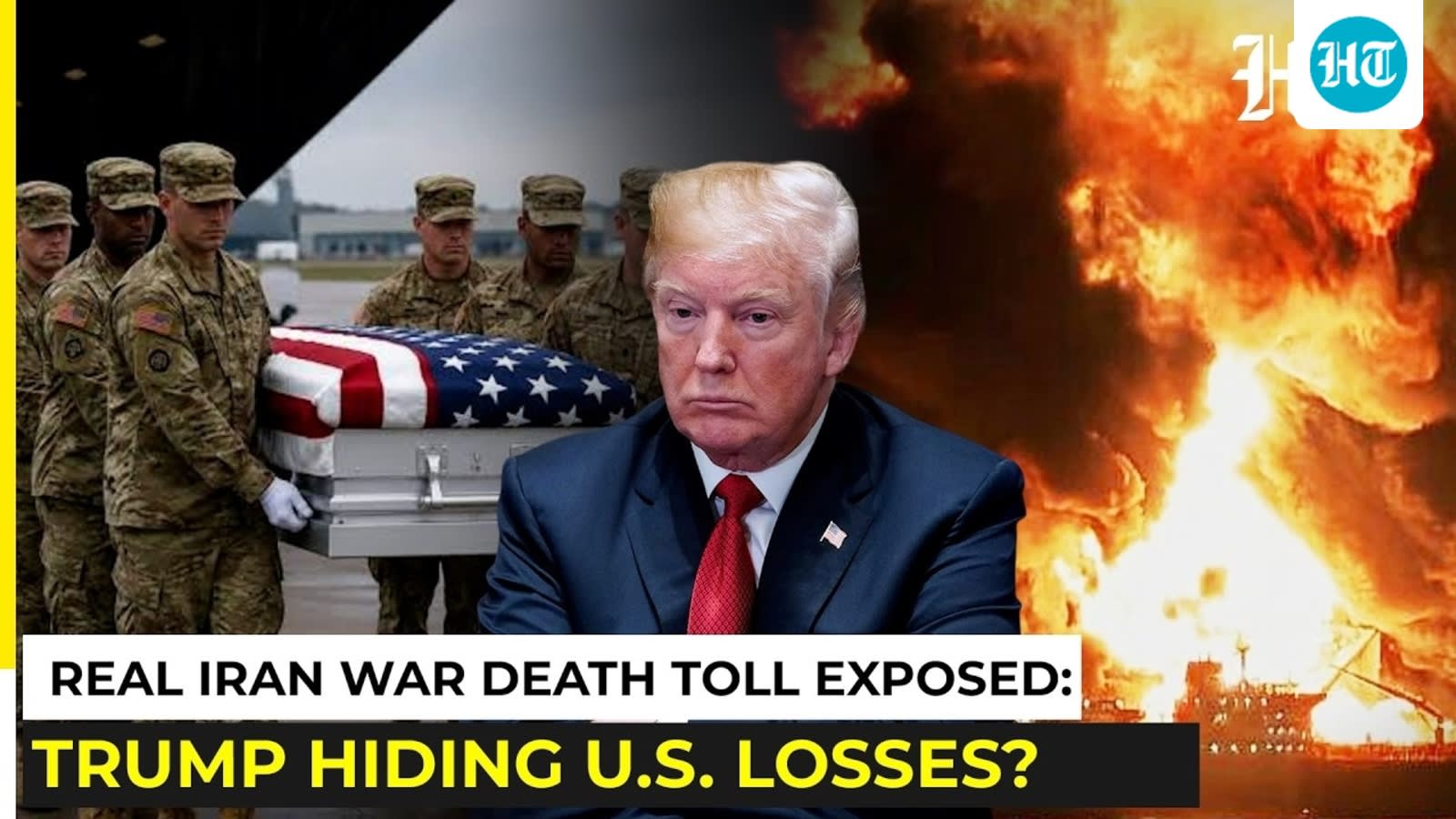
Defense Secretary Pete Hegseth has vehemently denied a Washington Post report alleging the Pentagon underreported US troop deaths in the Iran conflict. While the report claims 22 deaths compared to the official 18, Hegseth dismissed the allegations as a complete lie.
The Controversy Over US Casualty Counts in Iran
Recent reports published by the Washington Post have ignited a significant controversy regarding the transparency of military casualty reporting during the ongoing conflict in Iran. The core of the dispute centers on the discrepancy between the Pentagon's official count of 18 US soldiers killed and an investigative claim suggesting that the actual number is at least 22. This four-death disparity has prompted a direct and combative response from Defense Secretary Pete Hegseth, who has branded the report a "complete lie" and "disgusting," categorically rejecting the allegations of systemic underreporting.
The Source of the Allegations
The Washington Post’s investigation relies on information provided by five anonymous officials within the US Army. These sources suggest that the Pentagon's official records do not accurately reflect the full scope of fatalities incurred during military operations related to the Iran conflict. By citing internal dissent, the report attempts to cast doubt on the integrity of official military communications. However, it is important to note that the report itself includes a crucial caveat: some of the deaths identified by these anonymous sources may not be directly linked to active combat in Iran, complicating the narrative surrounding the official tally.
Official Rebuttal and Institutional Credibility
Secretary Hegseth’s forceful rebuttal highlights the high stakes involved in military casualty reporting. In the context of modern geopolitical conflicts, the accuracy of casualty data is not merely a statistical matter; it is a vital component of public trust and domestic political stability. When a Cabinet-level official publicly challenges a major news organization’s investigative findings, it underscores a deepening divide between institutional military reporting and media oversight. Hegseth’s denial serves as a defense of the Pentagon’s official records, positioning the department against what it views as misinformation.
Broader Implications for Military Transparency
The tension between the Department of Defense and investigative journalists often centers on the definition of "conflict-related" deaths. Military accounting standards frequently differentiate between combat deaths, non-combat injuries, and accidental fatalities occurring within a theater of operations. The Washington Post's claim that the Pentagon is "hiding" deaths suggests a deliberate attempt to manipulate perceptions, whereas the official stance likely points to rigorous, albeit potentially narrow, classification criteria. This friction reflects the broader challenges of maintaining transparency during high-intensity international conflicts.
Contextualizing the Iran Conflict
As the US continues its involvement in the region, the accuracy of casualty reporting becomes a focal point for both domestic critics and international observers. The Iran conflict remains a sensitive geopolitical issue, and any perceived lack of transparency can be exploited to undermine domestic support for military engagement. The current dispute serves as a case study in how information warfare and internal leaks can complicate the administration of foreign policy, forcing the Pentagon to manage not only the physical battlefield but also the narrative of the human cost of the war.
Future Trends in Reporting
Looking forward, this incident is likely to increase pressure on the Department of Defense to provide greater clarity regarding its casualty accounting processes. As media organizations continue to leverage anonymous internal sources to challenge official narratives, the Pentagon may be forced to adopt more granular reporting standards to avoid similar accusations of undercounting. Ultimately, the resolution of this conflict over figures will depend on whether further evidence emerges to reconcile the 18 versus 22 death count, or if the discrepancy is clarified through more transparent definitions of service-related fatalities.
Multiple Citing Sources
Verification Required?