Lindsay Clancy's ex-husband explains why he forgave her over children's killings
Source Entity
BBC News
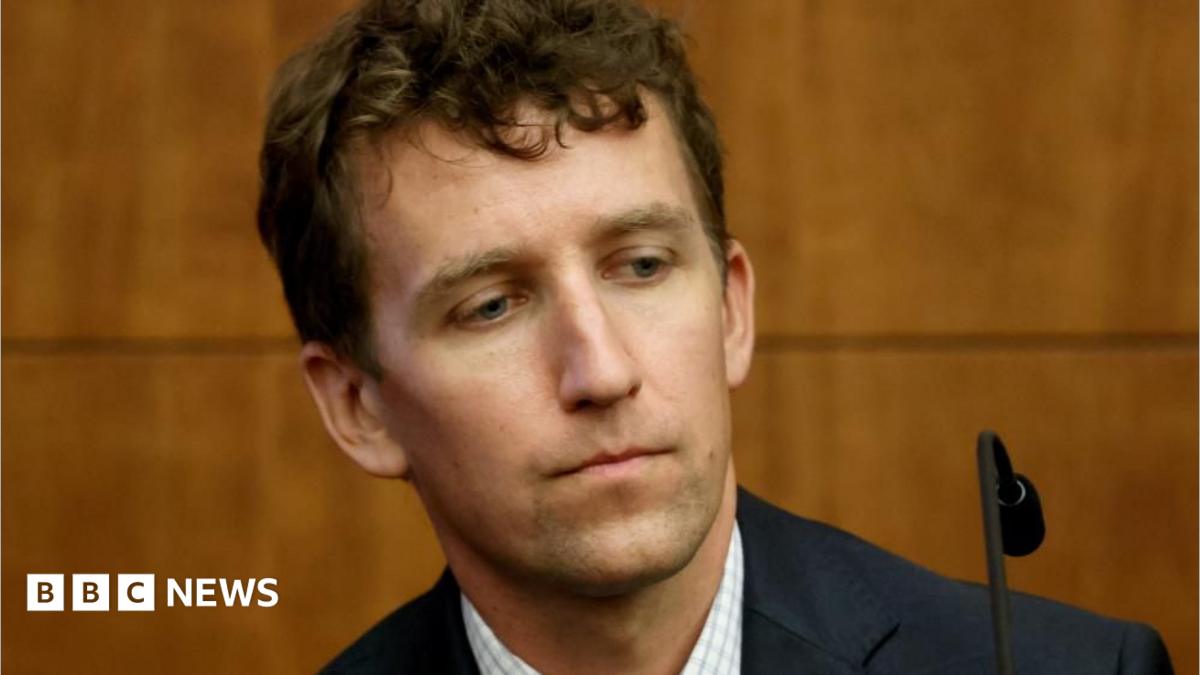
Patrick Clancy has spoken publicly about his journey toward forgiveness following the tragic deaths of his three children at the hands of his ex-wife, Lindsay Clancy. His recent interview addresses his struggle with his ex-wife's severe mental illness, the subsequent legal mistrial, and his efforts to counter online conspiracy theories.
A Father's Journey Through Unimaginable Grief
In a poignant and deeply personal interview with CBS' 60 Minutes, Patrick Clancy, the ex-husband of Lindsay Clancy, has broken his silence following the recent mistrial in the case concerning the death of their three children in January 2023. Patrick, who works as a Business Applications Sales Executive at Microsoft, has navigated the dual burden of profound parental loss and the intense public scrutiny that followed the tragedy. His decision to speak out serves as a rare window into the internal struggle of a survivor attempting to reconcile his own grief with the complex reality of his former wife’s severe mental health crisis.
The Challenge of Mental Health Advocacy
Central to Patrick’s narrative is the admission that, despite his best efforts to support his family, he felt ill-equipped to manage the severity of Lindsay’s postpartum illness. The months leading up to the tragedy were marked by a visible decline in Lindsay’s mental health, a struggle that lawyers for the defense argue should mitigate her legal responsibility. Patrick’s testimony highlights a critical societal gap: the difficulty families face when attempting to navigate a medical system that may not adequately address the rapid escalation of postpartum psychiatric emergencies.
Legal Limbo and the Mistrial
The legal proceedings surrounding the case have added another layer of trauma to the family's ordeal. Earlier this month, a judge declared a mistrial after a jury failed to reach a unanimous verdict on whether Lindsay should be held criminally liable for the killings. This outcome leaves many questions unanswered, stalling the pursuit of legal closure and forcing the public to confront the difficult intersection of criminal law and mental health advocacy. Patrick’s presence as a witness for the prosecution in the initial days of the trial underscored his role as both a victim of the crime and a participant in a judicial process that remains deeply unresolved.
Battling Misinformation and Conspiracy Theories
Beyond the courtroom, Patrick has had to contend with the digital age’s most toxic byproduct: the proliferation of baseless conspiracy theories. In the wake of the tragedy, online actors circulated unfounded claims alleging Patrick’s involvement in his children's deaths. By addressing these claims directly on a national stage, Patrick has sought to reclaim his narrative and protect his reputation while continuing to grieve. This aspect of the story highlights the broader issue of how modern social media environments often exacerbate the suffering of private citizens caught in high-profile tragedies.
Moving Forward: Forgiveness and New Beginnings
Despite the weight of the past, Patrick has begun the difficult process of rebuilding his life alongside his new wife, Rachel Danis. In his interview, he articulated a powerful sentiment: that choosing to forgive Lindsay was a necessary step for his own survival, noting that he would have been "eaten up inside forever" had he chosen a different path. This act of forgiveness, while personal, offers a stark contrast to the polarized public discourse surrounding the case, emphasizing the capacity for human resilience in the face of absolute devastation.
Conclusion: The Lasting Impact
The tragedy of the Clancy family serves as a somber reminder of the hidden dangers of postpartum psychiatric conditions and the limitations of both the legal and healthcare systems. As the case remains in legal limbo, Patrick Clancy’s public commentary provides a humanizing perspective on a story that has been stripped of nuance by the media and internet rumor mills. His future, and the future of the legal case, remains uncertain, yet his commitment to transparency and healing remains the defining feature of his public narrative.