Trump says US has ‘permanent control’ over Greenland security: What the deal actually does
Source Entity
Anagha Jayakumar
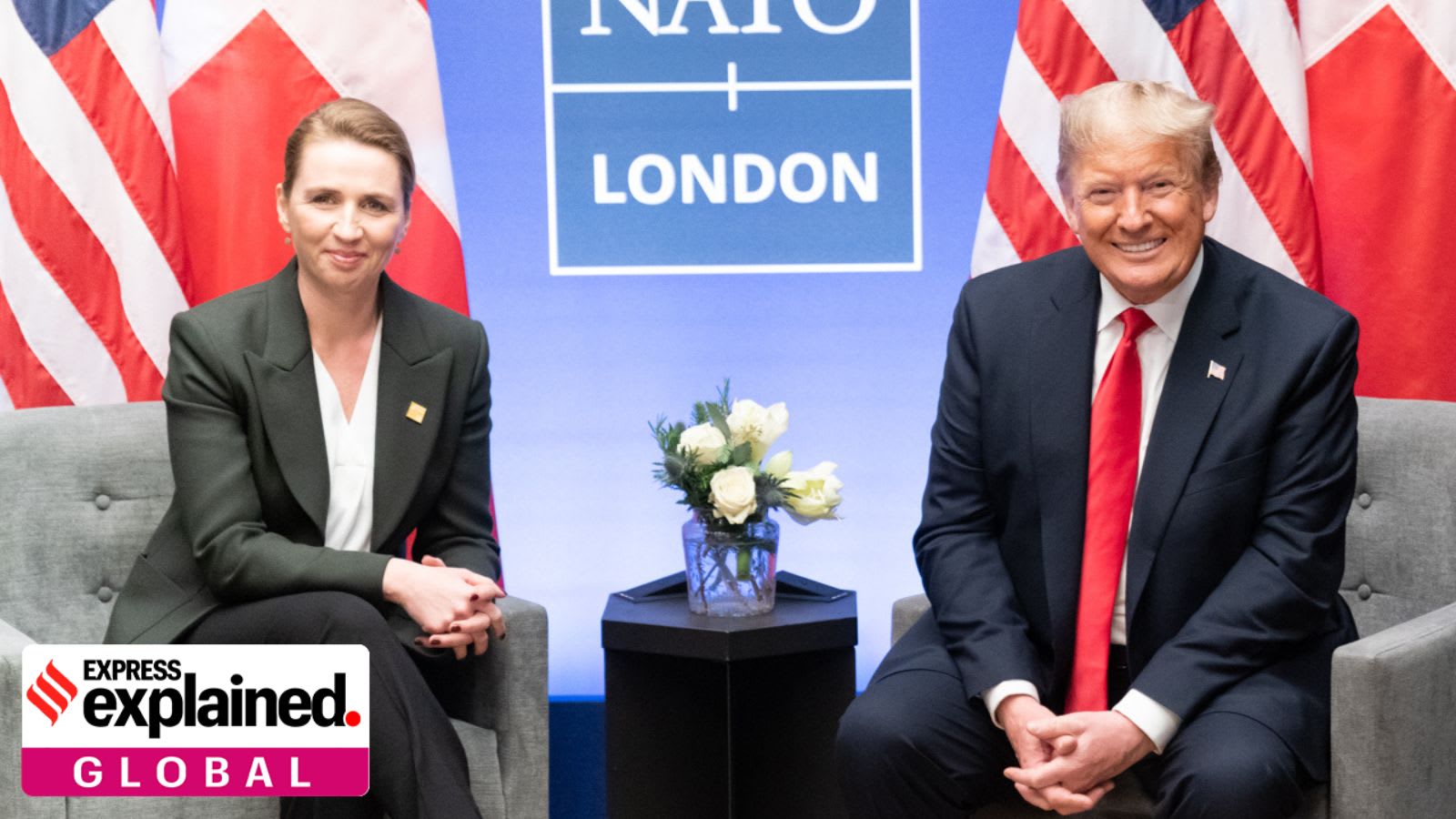
The US, Denmark, and Greenland have reached a long-term security agreement to bolster military presence in the Arctic. While President Trump characterized the deal as providing permanent, infinite control, Danish officials emphasize the move as a strategic strengthening of regional security.
The Strategic Pivot: US-Denmark Greenland Security Accord
The announcement of a new security agreement between the United States, Denmark, and Greenland marks a significant shift in Arctic geopolitics. Following months of public posturing and high-stakes diplomatic tension—during which President Donald Trump openly discussed the potential acquisition of the territory—the parties have arrived at a formal arrangement to deepen military cooperation. This accord is framed as a foundational pillar for maintaining regional stability in the North Atlantic and the broader Arctic circle.
Divergent Perspectives on 'Control'
There exists a notable discrepancy between the rhetoric employed by the White House and the official stance of the Danish government. President Trump has publicly characterized the deal as providing the United States with "permanent" and "infinite" control over security and "all other needs" on the island. In contrast, reports from international news agencies clarify that the agreement does not involve a transfer of sovereignty or ownership. Instead, it creates a framework for an expanded American military presence, allowing the U.S. to act decisively in defense of the territory without undermining Danish administrative oversight.
Arctic Geopolitics and Strategic Interests
Greenland’s strategic value cannot be overstated. Situated at a critical juncture between North America and Europe, the island serves as a vital listening post and logistical hub for missile defense and surveillance operations. By securing an "infinite" commitment to military access, the United States aims to mitigate risks associated with the increasing militarization of the Arctic by competing global powers. The deal is explicitly intended to strengthen NATO’s northern flank, ensuring that the U.S. can sustain its defensive capabilities in an environment where climate change is opening new maritime corridors.
Economic and Security Nexus
Beyond pure defense, the agreement touches upon the underlying interest in Greenland’s vast mineral wealth. President Trump’s earlier threats to "take" the island were largely predicated on both national security concerns and the desire to secure access to critical natural resources. By formalizing this security partnership, the United States positions itself as the primary guarantor of stability, which in turn creates a more predictable environment for the development of the island’s infrastructure and resource extraction capabilities.
Implications for NATO and Future Trends
For NATO, this deal is being positioned as a net positive, reinforcing the alliance's presence in a theater that was historically considered peripheral but is now central to modern defense strategy. The "no cost" nature of the deal, as described by the U.S. administration, suggests a long-term strategic alignment where Denmark and Greenland benefit from enhanced U.S. protection while the U.S. secures an essential strategic foothold. Looking ahead, this arrangement sets a precedent for how major powers will navigate sovereignty and security in the Arctic as the region becomes more accessible and contested.
Conclusion
In summary, the agreement represents a complex compromise. While the terminology of "infinite control" serves as a powerful political narrative for the U.S. administration, the practical application of the deal centers on expanded military cooperation. As the Arctic continues to gain prominence as a theater of strategic competition, this agreement ensures that the United States remains firmly entrenched, balancing the sensitivities of Danish sovereignty with the imperative of national and collective security.
Multiple Citing Sources