Saudi Pipeline Outage Could Deepen the Global Fuel Crunch
Source Entity
Yahoo Finance
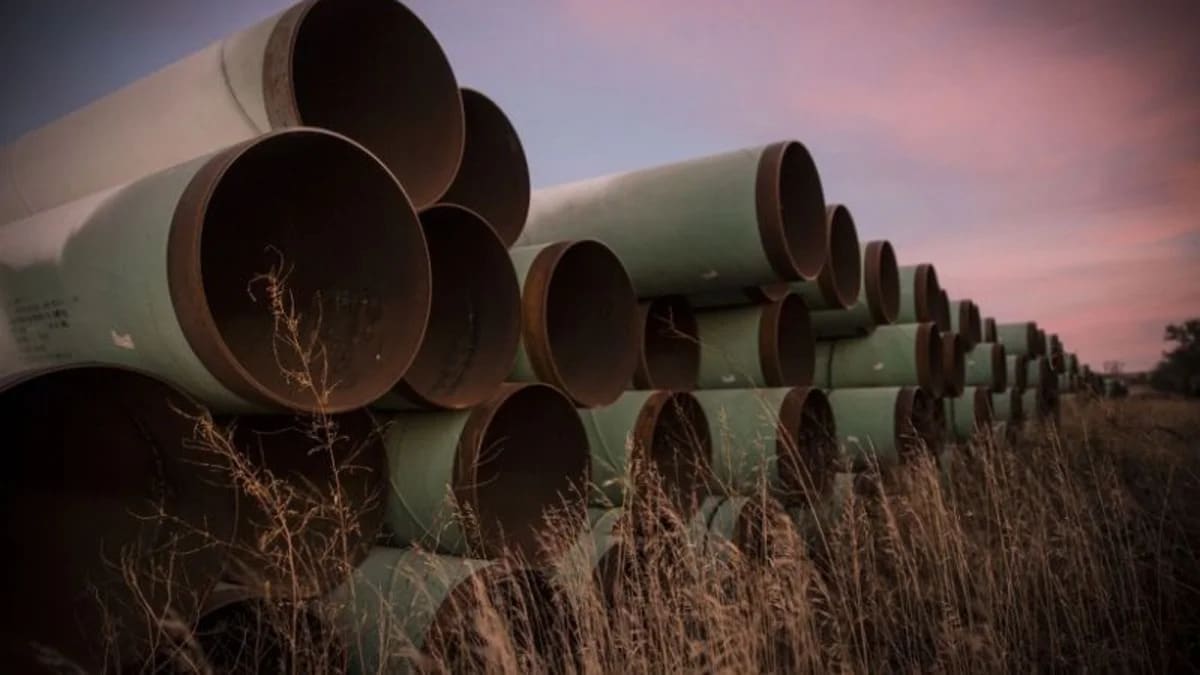
The shutdown of Saudi Arabia's East-West pipeline, following drone attacks, has exacerbated global oil supply shortages. With strategic reserves at record lows and diesel prices surging, markets face significant volatility as the ongoing conflict disrupts critical shipping routes.
The Fragile State of Global Energy Markets
The global energy landscape is currently navigating a period of unprecedented volatility as the conflict in the Middle East enters its seventh month. Initially expected by the United States to be a short-lived engagement, the duration of the war has fundamentally altered the supply-demand balance of global crude oil. With the Strait of Hormuz closed to tanker traffic since March, the market has exhausted the supply cushions that previously provided stability, leading to a precarious situation characterized by tightening inventories and rising price pressures.
The Failure of Strategic Buffers
For months, the market relied on the depletion of strategic inventories to keep prices in check. The International Energy Agency (IEA) led record stock releases that have now drained strategic reserves in developed economies to levels not seen since the early 1980s. The United States, in particular, has seen its Strategic Petroleum Reserve (SPR) plummet. With the 'oil on water' surplus from early this year now exhausted, the world lacks the necessary inventory buffers to absorb further supply shocks, leaving the global economy highly susceptible to sudden infrastructure disruptions.
Infrastructure Vulnerability: The Pipeline Shutdown
The vulnerability of energy infrastructure has been starkly highlighted by the recent shutdown of Saudi Arabia’s 750-mile East-West oil pipeline. This pipeline was the critical lifeline for global exports, serving as the primary bypass for the Strait of Hormuz. Following drone attacks originating from territory near the Iraqi-Iranian border, Saudi authorities were forced to halt operations as a precautionary measure. This event has forced refiners, particularly in Japan, to scramble for alternative sources like Oman crude, further tightening the availability of regional supply.
The Domestic Political and Economic Fallout
In the United States, the impact of this supply chain fracture is manifesting in record-high fuel costs. With national diesel averages reaching $6.39 per gallon and gasoline hovering around $4.43, the inflationary pressure is immense. In states like California, prices have surged past $8.34 per gallon, creating a significant political challenge for the Trump administration. Speculation is now mounting that the administration may resort to an export fuel ban in an attempt to suppress domestic prices ahead of upcoming midterm elections, a move that could have profound repercussions for international trade and diplomatic relations.
Future Trends and Market Outlook
As the conflict persists with no clear resolution in sight, the outlook remains bearish for supply and bullish for prices. The disappearance of the early-year oversupply—compounded by China’s strategic reduction in imports—suggests that oil prices will likely remain anchored near the $100 per barrel mark. Analysts warn that the 'hot mess' in the oil market will continue to dictate economic policy until infrastructure security is restored or the geopolitical conflict de-escalates. Market participants should expect continued volatility as refiners compete for limited, non-disrupted crude streams.
Multiple Citing Sources