PG&E launches review, defers $2 billion in spending after wildfire bill setback
Source Entity
Yahoo Finance
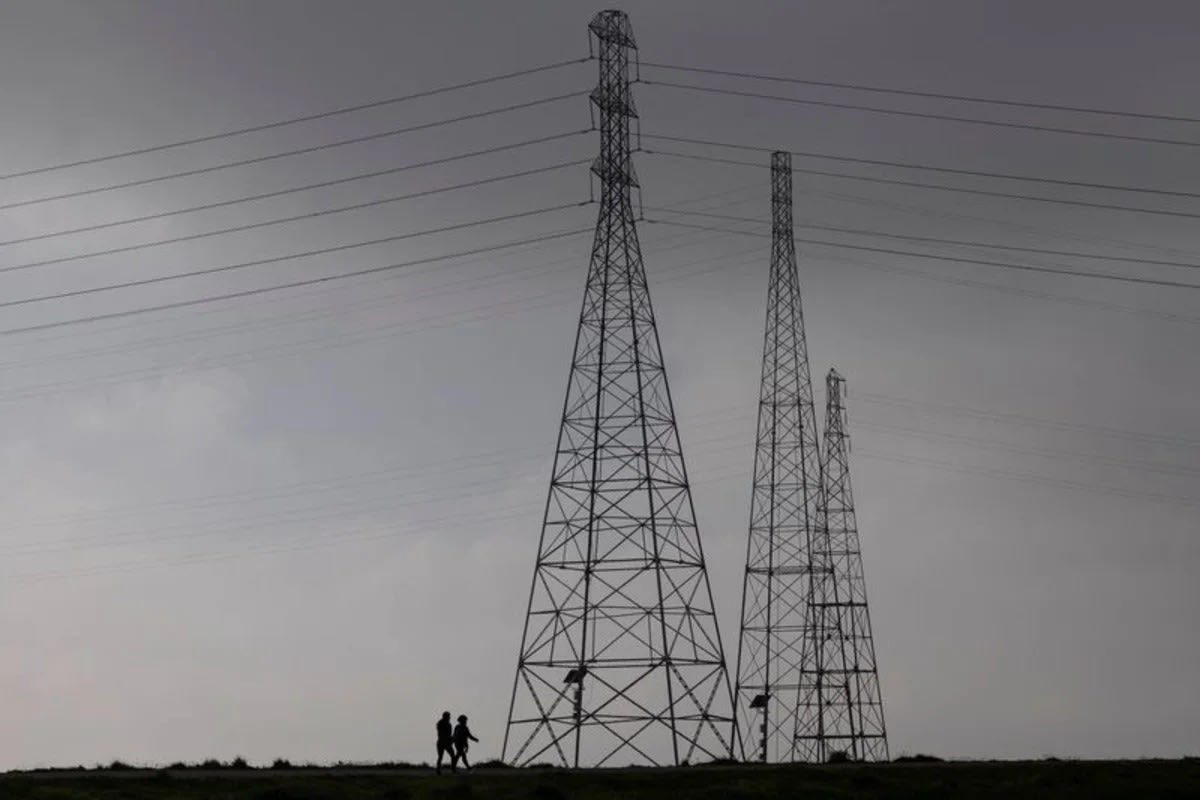
PG&E stock faces significant downward pressure following a Wells Fargo downgrade and a $2 billion spending deferral. The utility is struggling with legislative failures regarding wildfire liability, creating long-term solvency and financing risks.
Financial Strain and Strategic Shifts at PG&E
The Wells Fargo Downgrade and Market Reaction
PG&E (PGC) recently experienced a significant market correction, with the stock trending lower following a downgrade by Wells Fargo. Analyst Shahriar Pourreza shifted the company's rating to "Equal Weight," accompanied by a reduced price target of $24. While this target still theoretically suggests an 80% upside, the move represents a critical shift toward a more cautious investor sentiment. The stock's performance reflects this volatility, currently sitting approximately 30% below its year-to-date high, underscoring the market's anxiety regarding the utility's immediate financial outlook.
Legislative Hurdles and Wildfire Liability
The primary driver behind this negative sentiment is the California legislature's failure to enact comprehensive wildfire liability reforms. Investors and analysts had been banking on a proposed legislative framework, supported by state leadership, designed to restrict subrogation claims by insurance companies. The collapse of these negotiations has left PG&E exposed to ongoing legal and financial risks that the current regulatory environment fails to mitigate, leaving the company vulnerable to the high costs associated with wildfire damage.
Spending Deferrals and Capital Planning
In direct response to this legislative impasse, PG&E has announced a significant strategic review and a reduction in its capital expenditure plans. The company confirmed it will defer roughly $2 billion in spending originally slated for 2027, bringing its total planned investment for that year down from $13.4 billion to $11.4 billion. This move is a direct acknowledgment of the financing risks created by the state's current wildfire liability framework, which necessitates a more conservative approach to liquidity and capital allocation.
The Core Conflict: Solvency and Sustainability
CEO Patti Poppe has been vocal regarding the broader implications of these developments, noting that the current liability framework inhibits the utility’s ability to invest in the energy system while simultaneously impacting customer affordability. The failure of recent Senate bill amendments to meaningfully reduce exposure or address the long-term solvency of California’s wildfire fund has forced PG&E to prioritize self-preservation over infrastructure expansion. This creates a precarious cycle where the utility’s financial health is inextricably tied to political decisions that remain in flux.
Future Outlook and Implications
The path forward for PG&E appears fraught with uncertainty. As long as the state’s wildfire liability framework remains unchanged, the utility faces persistent financing risks that may continue to suppress share prices and limit operational flexibility. Future trends will likely be dictated by the company’s ability to navigate these financial constraints while maintaining grid reliability. Investors should remain vigilant as PG&E moves through its strategic review, as any further legislative inaction could lead to additional capital expenditure cuts or further downward adjustments in valuation.