Photos show widespread damage at US sites from Iranian attacks
Source Entity
BBC News
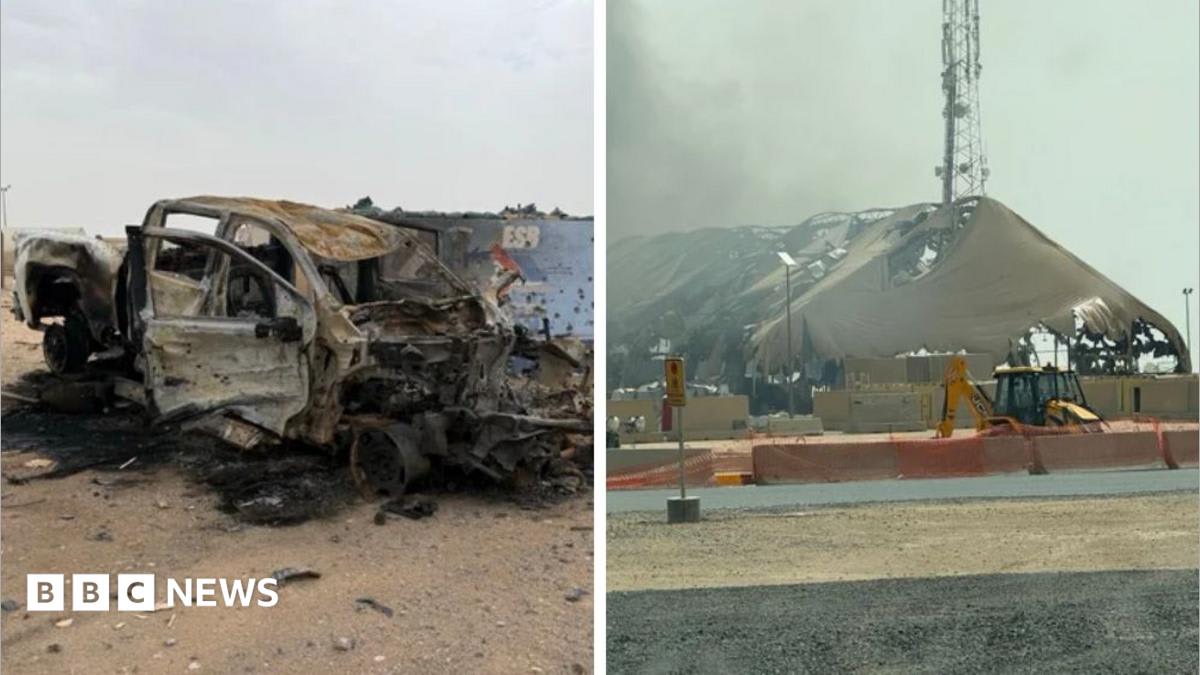
Newly surfaced photos obtained by CBS News reveal significant, previously undisclosed damage to U.S. military installations in Saudi Arabia and Kuwait following Iranian missile and drone strikes. Military personnel suggest the extent of these attacks has been under-communicated to the American public.
Unveiling the Impact of Regional Escalation
Recent imagery obtained by CBS News has provided a stark visual record of the physical toll exacted on United States military infrastructure in the Middle East due to Iranian missile and drone strikes. These undated photographs, captured at Prince Sultan Air Base in Saudi Arabia, as well as Camp Buehring and Camp Arifjan in Kuwait, depict a level of destruction that contrasts with earlier public narratives. By showcasing severed radar jets, flattened trailers, and severely compromised structures, these images force a re-evaluation of the tactical success of Iranian strikes and the vulnerability of U.S. forward-operating bases.
The Disconnect in Communication
The most alarming aspect of these reports is the testimony from active-duty service members who provided the images. Operating under the condition of anonymity due to strict military restrictions on media access, these personnel describe a sense of frustration regarding the transparency of the conflict. The sentiment that U.S. forces are "getting punched in the face" while the public remains largely unaware of the extent of the damage suggests a significant gap between the reality on the ground and the official briefing process. This raises questions about military disclosure policies and the strategic necessity of withholding damage assessments from the public.
Strategic Vulnerability in the Middle East
The locations targeted—Prince Sultan Air Base, Camp Buehring, and Camp Arifjan—are critical nodes in the U.S. regional security architecture. The ability of Iranian-backed assets to inflict such visible damage on high-value assets like aircraft and radar systems indicates a maturing capability in missile and drone warfare. These bases were designed to project power and maintain deterrence; however, the photographic evidence suggests that the physical integrity of these sites has been compromised more severely than previously acknowledged by defense officials.
Implications for Regional Security
This revelation occurs against a backdrop of ongoing tensions between Washington and Tehran. The confirmation of "major damage" through visual evidence complicates the diplomatic and military strategy of the United States in the region. If the extent of the damage has indeed been downplayed, it may embolden regional adversaries who now have visual confirmation that U.S. defenses are not impenetrable. This could lead to a cycle of increased aggression, as the perceived cost of attacking U.S. interests is weighed against the actual tactical outcome of these strikes.
Accountability and Future Outlook
As the White House and U.S. Central Command face pressure to address these reports, the focus will likely shift toward military accountability and the adequacy of current force protection measures. The Pentagon's watchdog has previously alluded to the challenges of these engagements, and the emergence of these photos will likely necessitate a more granular public accounting of the risks posed to personnel stationed in the Middle East. Moving forward, the U.S. will need to reconcile its strategic messaging with the reality of these vulnerable positions to maintain credibility both domestically and among regional allies.