Voice Choking At Cabinet Meeting, PM Modi Calls For Ending Drug Menace
Source Entity
NDTV News Search Records Found 1000
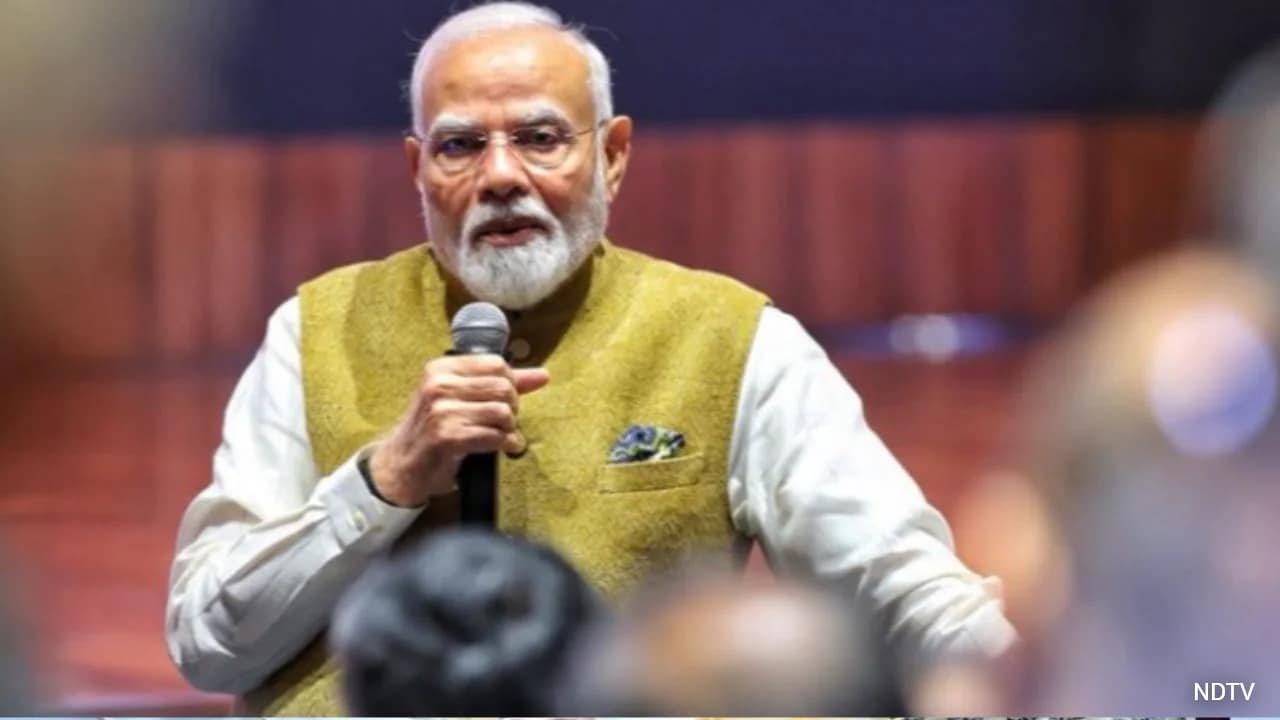
Prime Minister Narendra Modi recently expressed deep personal concern regarding India's drug menace during a cabinet meeting in Delhi. He emphasized the urgent need for a unified national effort to combat substance abuse and protect the country's youth.
Addressing the Drug Crisis: A Call to Action
During a recent cabinet meeting held in Delhi, Prime Minister Narendra Modi delivered a poignant and emotionally charged address regarding the escalating drug menace in India. His visible distress, marked by a voice choking with emotion, underscored the gravity with which the highest levels of the Indian government view the proliferation of illicit substances. This rare display of personal sentiment from the Prime Minister serves as a critical signal to both state and central administrative bodies that the fight against narcotics is no longer just a law enforcement issue, but a national priority.
The Socio-Economic Impact of Substance Abuse
The Prime Minister’s focus on the drug crisis highlights the severe socio-economic threats posed by widespread addiction. By targeting the youth demographic, the drug trade threatens to erode the nation's human capital, potentially stalling the economic momentum that India has worked diligently to build. When the head of government highlights this issue in such a formal setting, it signals a shift toward a more proactive, multi-agency approach that integrates health, education, and security sectors to mitigate the long-term impact on the workforce and social stability.
Historical Context and Policy Evolution
Historically, India has acted as a transit point due to its proximity to the 'Golden Crescent' and 'Golden Triangle' regions, which are notorious for opium and heroin production. However, the current discourse initiated by PM Modi suggests a move beyond traditional border security. The emphasis placed during the cabinet meeting suggests that the current administration is looking to modernize its drug control policies, likely focusing on stricter surveillance of synthetic drugs and the strengthening of rehabilitation infrastructure to support those already affected by the crisis.
Inter-Agency Coordination and Future Trends
Moving forward, we can expect a more aggressive push for inter-state and international cooperation. The drug menace is rarely contained within regional borders; it relies on complex logistical networks that require a unified intelligence grid. By raising this at a cabinet level, the Prime Minister is likely paving the way for a more robust digital monitoring system and a centralized task force that can coordinate between state police and federal agencies like the Narcotics Control Bureau (NCB) to dismantle distribution networks more effectively.
Conclusion: A National Mandate
In conclusion, the Prime Minister’s call to end the drug menace represents a pivotal moment in domestic policy. It serves as a directive for cabinet ministers to prioritize public health initiatives and legislative reforms that target the supply chain while fostering a safer environment for the next generation. As the government transitions from rhetoric to actionable policy, the success of these efforts will depend on the sustained commitment of all administrative levels to treat the drug crisis as a fundamental threat to India's future prosperity.
Verification Required?