Police Complaint Filed Against Priyank Kharge Over "AI Image" Post On RSS And Ammunition Haul
Source Entity
NDTV News Search Records Found 1000
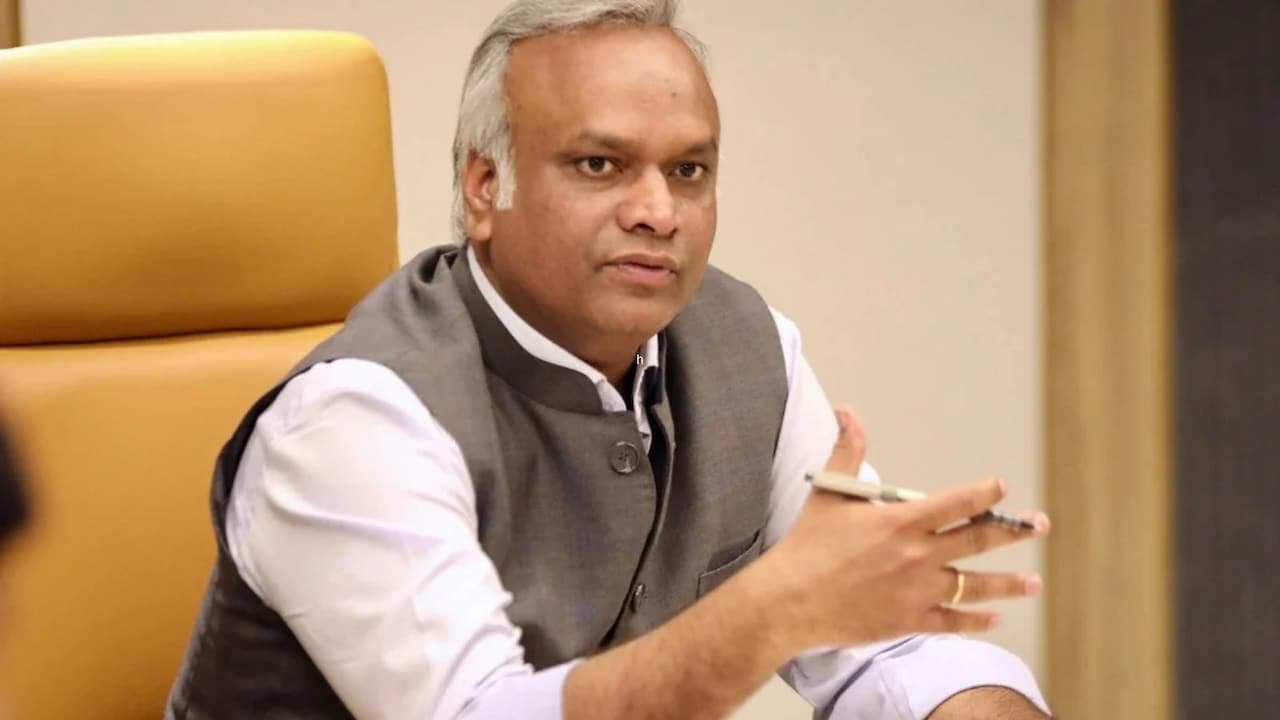
Karnataka Minister Priyank Kharge faces a police complaint for allegedly linking the RSS to a massive seizure of live cartridges. The complainant claims the social media post promotes misinformation and threatens communal harmony.
Legal Scrutiny Over Social Media Allegations
A formal complaint has been lodged at the Banashankari police station in Bengaluru against Karnataka Minister Priyank Kharge, following a controversial social media post on X. The complainant, identified as RSS activist Tejas A. Gowda, alleges that the Minister circulated misleading information and engaged in activities intended to disturb social harmony. The core of the accusation centers on the Minister’s decision to associate the Rashtriya Swayamsevak Sangh (RSS) with a recent law enforcement operation involving the seizure of approximately 44,250 live cartridges in the states of Bihar and Haryana.
The Nature of the Accusation
The complaint filed by Mr. Gowda asserts that Minister Kharge’s digital commentary created a false impression linking the RSS to criminal activities. By allegedly utilizing an AI-generated image or misleading narrative, the Minister is accused of attempting to cast aspersions on the organization's reputation. The complainant argues that such public insinuations, coming from a high-ranking government official, carry significant weight and could potentially incite hostility or public disorder, thus necessitating the registration of a First Information Report (FIR).
Political Implications and Social Harmony
This incident highlights the growing tension surrounding the intersection of digital political discourse and communal stability. In the current political climate, the use of social media platforms by public figures to address sensitive national security issues often triggers rapid, polarized reactions. The complainant’s emphasis on the potential for 'disturbing social harmony' underscores the legal responsibility that ministers hold when making public statements that could be interpreted as inflammatory or unsubstantiated.
Procedural Context and Legal Standards
The filing of this complaint brings to light the legal threshold for what constitutes the spread of 'misleading information' by elected officials. Under Indian law, public officials are often subject to intense scrutiny regarding statements that may affect public order. The investigation will likely focus on whether the Minister’s post was based on verified facts or if it constituted a deliberate attempt to malign an organization, which could lead to further legal proceedings if the police find merit in the allegations.
Broader Trends in Digital Political Warfare
This event reflects a broader, concerning trend where digital content—specifically the use of images and social media posts—is increasingly weaponized in political discourse. As the line between political critique and potential defamation blurs, authorities are finding it more difficult to regulate speech without infringing upon democratic norms. The outcome of this specific investigation will serve as an indicator of how local law enforcement manages the balance between protecting public peace and upholding the right to political expression.
Conclusion
The situation involving Priyank Kharge underscores the volatile nature of modern political communication in India. As the legal process unfolds at the Banashankari police station, the focus remains on whether the Minister’s claims were grounded in verifiable evidence or if they crossed the line into actionable misinformation. This case serves as a reminder of the heightened expectations of accountability placed upon public servants in an age where digital misinformation can have real-world consequences for social cohesion.
Multiple Citing Sources
Verification Required?