In DGP appointments, a sorry tale of police reforms
Source Entity
Latest News: Todays Latest News Headlines from India & World | Hindustan Times
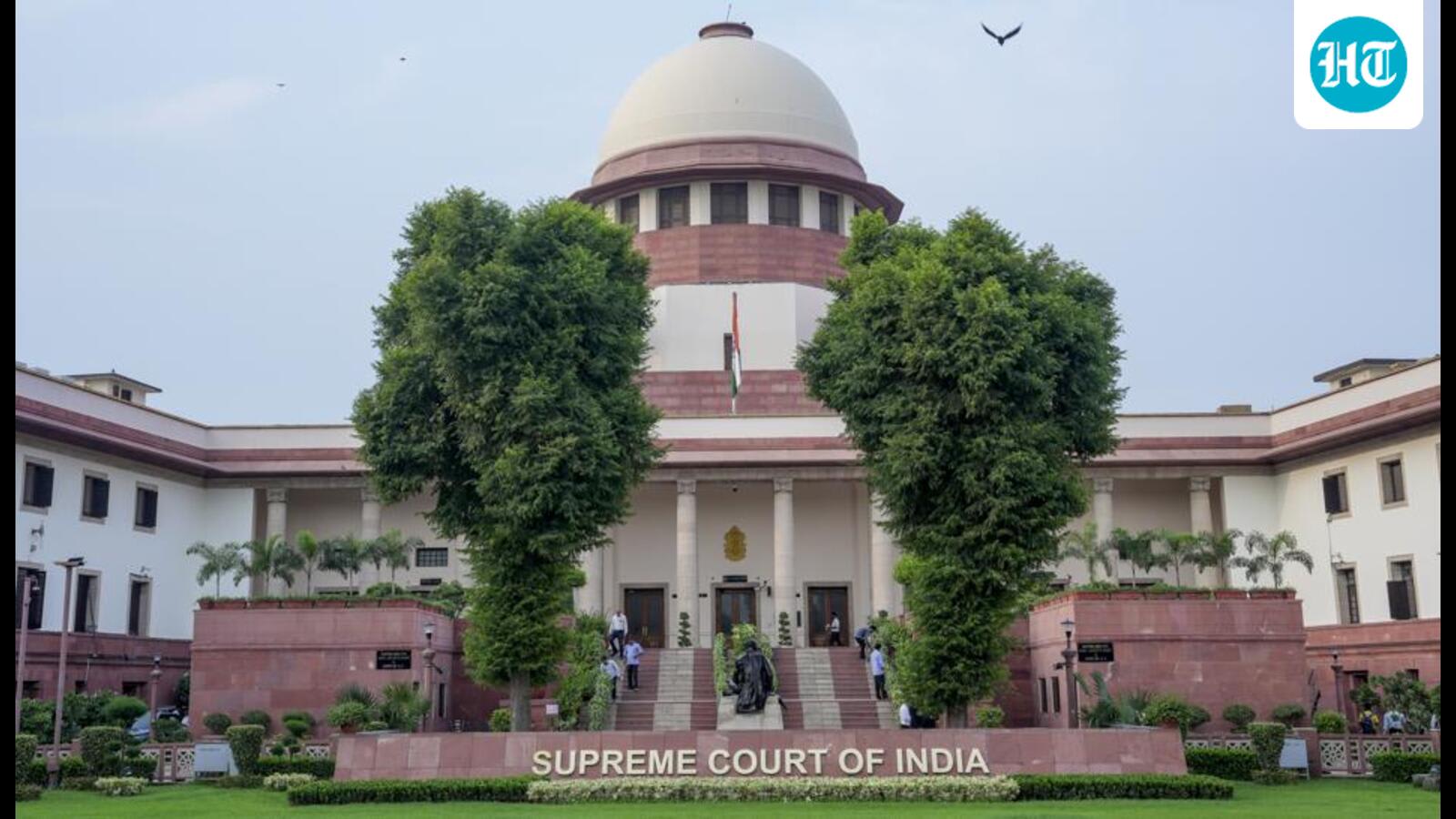
Despite Supreme Court directives for police reform, political resistance continues to hinder the implementation of structural changes. Recent incidents in Delhi reveal that even when mandated boards are formed, their independence is often undermined by institutional friction.
The Stalled Path of Indian Police Reform
The landscape of Indian law enforcement remains defined by a persistent tension between the judiciary’s quest for institutional independence and the executive’s desire for control. The 2006 Supreme Court judgment, a landmark effort to insulate police forces from political interference, set forth seven specific directives intended to modernize the force. Yet, as recent events involving the Delhi Police demonstrate, the translation of these mandates into daily practice remains fraught with systemic resistance.
The Failure of Procedural Safeguards
At the heart of the current crisis is the Police Establishment Board (PEB), a body specifically designed to depoliticize transfers and postings. While the Delhi Police technically complied with the Supreme Court’s mandate by establishing the PEB, the subsequent protest against the board’s transfer orders suggests a deeper malaise. When officers and their supporters openly resist decisions made by an supposedly autonomous board, it highlights that these structural safeguards are often followed in letter but not in spirit, failing to provide the intended insulation from political or internal pressure.
Historical Context and Judicial Oversight
For nearly two decades, the Supreme Court has attempted to act as a catalyst for reform, recognizing that the current police structure is ill-equipped for modern governance. The 2006 directives were not mere suggestions but a legal roadmap to ensure police accountability. However, the recurring need for the Supreme Court to seek status reports—most recently in October—underscores a lack of genuine buy-in from ruling dispensations. This pattern reveals a history of "compliance-washing," where the state adopts the structure of reform without ceding the power of patronage.
Broader Implications for Law and Order
When police reform is treated as a bureaucratic hurdle rather than a democratic necessity, the result is an erosion of public trust and internal discipline. The escalation of minor issues, such as the friction between police and legal professionals, serves as a litmus test for the force's operational autonomy. If the mechanisms meant to ensure fair decision-making are perceived as tools of convenience rather than instruments of justice, the entire chain of command becomes vulnerable to external influence and internal dissent.
The Future of Institutional Accountability
Moving forward, the success of police reform in India depends on moving beyond the mere creation of committees. The judiciary’s continued monitoring is essential, but it must be coupled with a fundamental shift in the political culture that views the police force as an instrument of executive convenience. Until the political class accepts the necessity of an independent police force, the 'sorry tale' of DGP appointments and operational management is likely to continue, leaving the 2006 reforms as a promise largely unfulfilled.
Verification Required?