Gaps found in air pollution control measures at units in Edayar industrial area
Source Entity
India Latest News: Top National Headlines Today & Breaking News | The Hindu
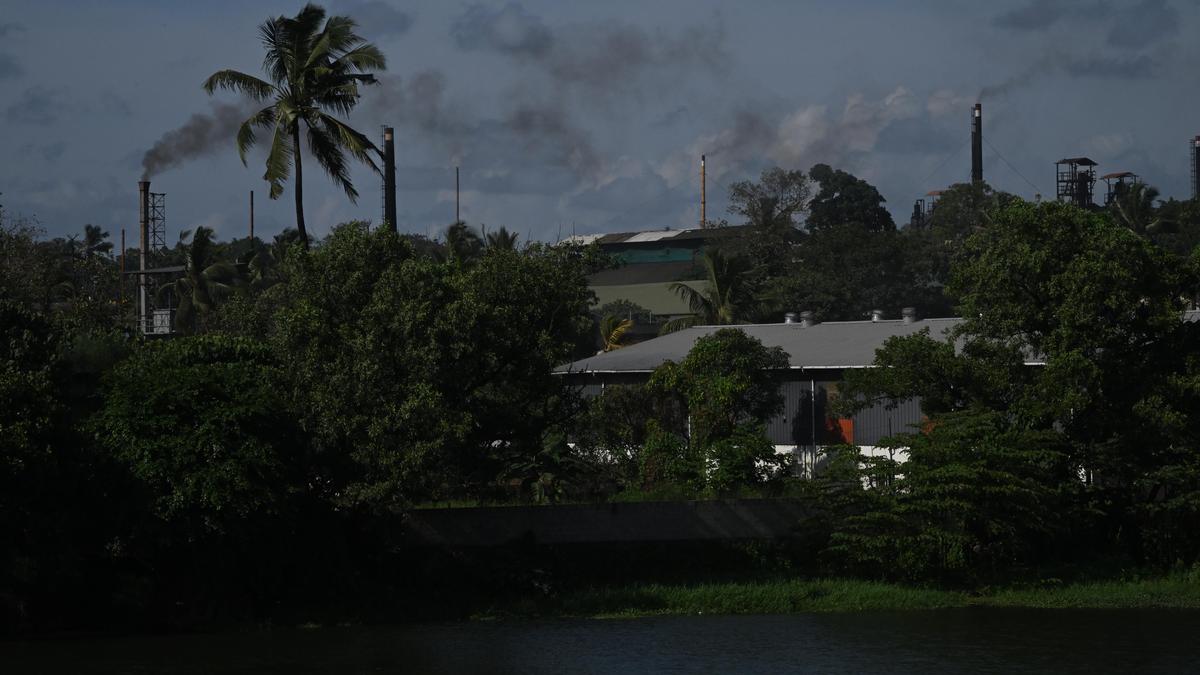
The Kerala State Pollution Control Board has launched enforcement actions against industrial units in Edayar and FACT over air and water pollution violations. Authorities cited poor maintenance of odour control systems and suspected chemical discharges into the Periyar river.
Environmental Crisis in Edayar: Industrial Accountability Under Scrutiny
Recent enforcement actions by the Kerala State Pollution Control Board (PCB) have brought the industrial corridor of Edayar and the health of the Periyar river into sharp focus. Inspections conducted by the Environmental Surveillance Centre in Eloor have uncovered systemic failures in pollution control infrastructure, specifically targeting bone meal units, chicken waste rendering plants, and rubber processing facilities. These findings highlight a recurring tension between industrial output and the environmental carrying capacity of the region.
Failures in Air Emission Controls
The PCB's investigation revealed that several industrial units were operating with substandard emission control systems. Most notably, the maintenance of existing biofilter units—essential for mitigating the pungent odors associated with waste rendering—was found to be severely lacking. By September 1, 2026, the board had issued formal notices to seven out of 20 inspected units under the Air (Prevention and Control of Pollution) Act, 1981. This regulatory intervention followed mounting pressure from local elected representatives and environmental activists who have long voiced concerns regarding the air quality in Eloor municipality and Kadungalloor panchayat.
The Periyar River Pollution Concerns
Beyond air quality, the ecological integrity of the Periyar river is facing renewed threats. The PCB has issued a notice to Fertilizers and Chemicals Travancore Limited (FACT) following reports of a white, gel-like foam forming on the water surface near the Edayar industrial area. Officials suspect this discharge constitutes a violation of the Water (Prevention and Control of Pollution) Act. This is not an isolated incident, as board officials noted that similar lean, continuous discharges were observed near the facility last year, suggesting a chronic issue that requires more than just stop-gap measures.
Regulatory and Community Dynamics
The current situation represents a critical intersection of public health advocacy and administrative oversight. The decision to initiate legal notices was accelerated by a consultative meeting between the board, local leaders, and environmentalists. This collaborative pressure is vital in ensuring that industrial entities adhere to the stringent standards required to prevent the degradation of local ecosystems. The reliance on the 1981 Air Act and corresponding water legislation underscores the legal framework available to hold corporations accountable for their environmental footprint.
Implications and Future Outlook
The ongoing monitoring of Edayar’s industrial units signals a shift toward stricter environmental enforcement in Kerala. For the industrial sector, the costs of non-compliance are rising, both in terms of potential legal penalties and the necessity of upgrading aging infrastructure. Future trends suggest that the PCB will likely increase the frequency of surprise inspections and demand more transparent reporting from high-impact industries. Unless these facilities invest in robust, modernized waste and emission treatment technologies, they risk further regulatory sanctions that could threaten their operational viability. The restoration of the Periyar river and the improvement of local air quality will ultimately depend on the consistent application of these environmental mandates.
Verification Required?