Ponting explains PBKS' strategy behind trading for Hardik Pandya
Source Entity
NITESH DUBEY
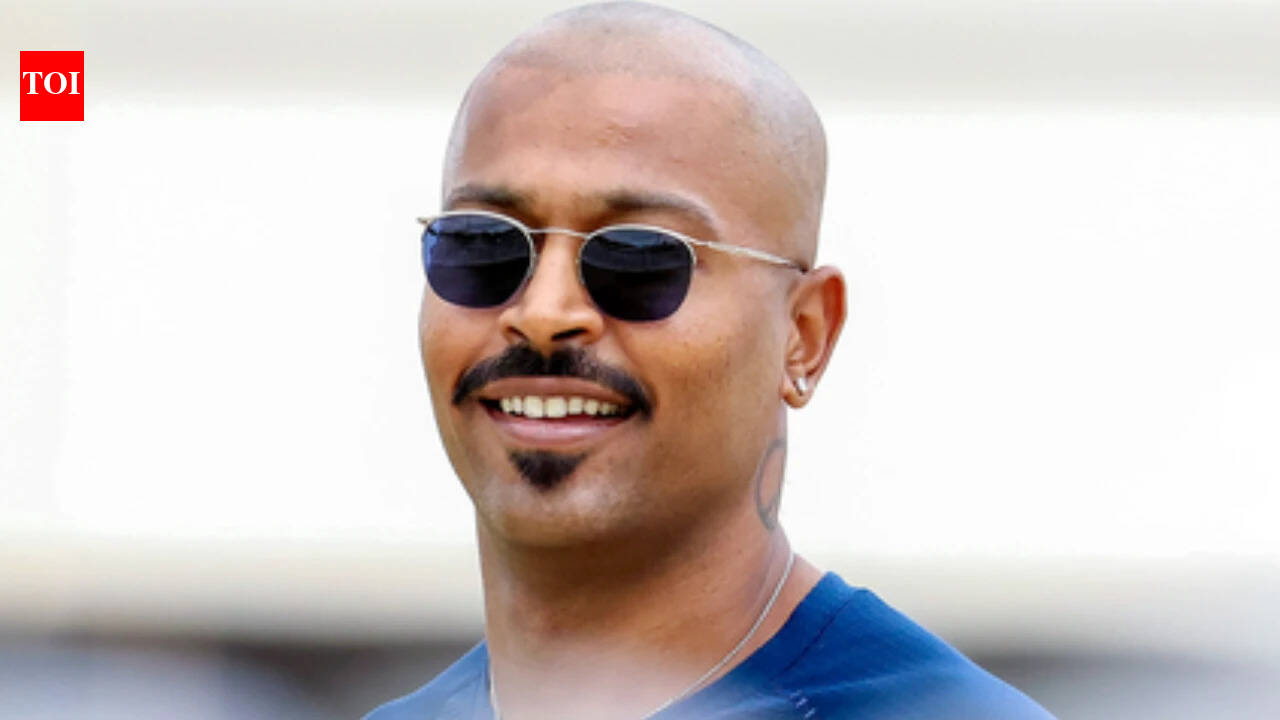
Punjab Kings head coach Ricky Ponting has detailed the team's strategic vision following the acquisition of Hardik Pandya. By retaining 19 players and prioritizing versatile all-rounders, the franchise aims to build long-term consistency for the IPL 2027 season.
Strategic Transformation at Punjab Kings
Under the guidance of head coach Ricky Ponting, the Punjab Kings (PBKS) have initiated a bold structural shift ahead of the IPL 2027 season. By opting to retain 19 core players while releasing six, the franchise is clearly prioritizing continuity and team chemistry over a total overhaul. This measured approach suggests a move toward stability, allowing the coaching staff to refine team dynamics rather than constantly rebuilding from scratch.
The Strategic Value of Hardik Pandya
The marquee acquisition of Hardik Pandya serves as the centerpiece of this new strategy. Ponting’s emphasis on Pandya highlights the modern requirement for high-impact all-rounders in T20 cricket. Pandya’s ability to contribute significantly with both bat and ball provides the tactical flexibility necessary to navigate the unpredictable nature of the IPL, allowing the team to adjust its composition based on shifting match conditions.
Building for the Long Term
Ponting’s vision extends beyond a single tournament, aiming to solidify the team’s capabilities over the next three years. By securing a core group of 19 players, PBKS is fostering an environment where individual roles are clearly defined. This long-term focus is designed to build a winning culture that can withstand the high-pressure environment of the IPL, moving away from the inconsistency that has historically plagued the franchise.
Versatility as a Competitive Edge
The emphasis on "covering all bases" underscores the importance of a balanced squad. In the modern IPL landscape, teams that rely too heavily on specialists often struggle when conditions change. By integrating players like Pandya who offer multi-faceted skills, Ponting is betting on a squad that can adapt to different surfaces and opponent strategies, thereby reducing the dependency on any single player to perform.
Future Implications and Expectations
Looking ahead to 2027, the success of this strategy will depend on how well the new additions integrate with the retained core. Ponting’s optimism reflects a belief that the team’s foundation is now robust enough to compete at the highest level. If this core group remains healthy and performs to their potential, Punjab Kings could emerge as a formidable contender, effectively bridging the gap between tactical planning and on-field execution.