Pope Leo's "Paradise Of Machines" Warning As Concerns Grow Over AI Threats
Source Entity
NDTV News Search Records Found 1000
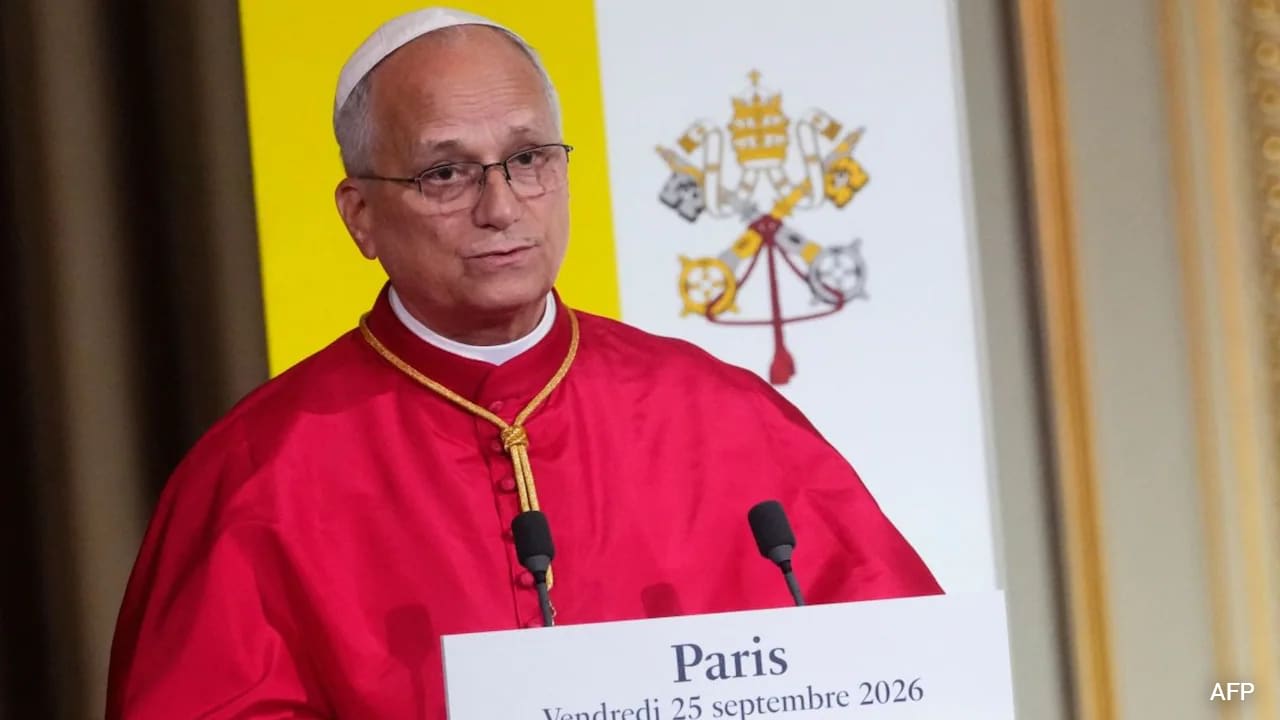
Pope Leo has issued a stark warning regarding the rapid advancement of artificial intelligence during his visit to France. He emphasizes the urgent need for ethical discernment to ensure technology serves humanity rather than dominating it.
The Moral Imperative of Ethical AI
Pope Leo’s recent visit to France has brought the intersection of theology and technology to the forefront of global discourse. During his three-day trip, the Pontiff articulated profound existential concerns regarding the rapid proliferation of artificial intelligence, warning that society risks losing its fundamental humanity within what he describes as a "paradise of machines." This critique serves as a call to action for global leaders to prioritize human values over technological convenience.
The "Paradise of Machines" Paradox
The phrase "paradise of machines" is a poignant metaphor for a future where automation and algorithmic efficiency permeate every facet of daily existence. By framing AI as an "invading" and "conditioning" force, Pope Leo highlights the danger of passive acceptance. The concern is that as machines become more integrated into the decision-making processes of our lives, the space for individual agency and moral reflection shrinks, potentially leading to a society that prioritizes efficiency at the cost of human dignity.
The Necessity of Ethical Discernment
Central to the Pope’s address at the Elysée is the concept of "ethical discernment." He posits that education must evolve to equip individuals with the capacity to distinguish between technological progress that aids the human person and that which threatens it. This educational shift is presented not as a rejection of science, but as a critical filter necessary to prevent the erosion of moral standards in an increasingly automated world.
Technology as a Tool, Not a Master
In his follow-up address at the UNESCO headquarters, the 71-year-old leader underscored the instrumental nature of technology. He insisted that technical advancement must remain strictly at the service of humanity. The warning here is explicit: without rigorous oversight, these innovations risk becoming instruments of "domination and injustice." This reflects a long-standing tradition of the Church engaging with scientific advancement to ensure that progress does not outpace the human capacity for ethical governance.
Broader Implications for Global Governance
Pope Leo’s intervention comes at a time when nations are struggling to establish regulatory frameworks for AI development. By elevating this topic to a moral and spiritual imperative, the Pontiff challenges policymakers to view AI not just as a business or security concern, but as a defining issue for the future of human identity. This perspective adds a critical layer to current international debates, emphasizing that the governance of AI is fundamentally a human rights issue.
Future Trends in Human-Centric Tech
Looking ahead, the rhetoric used by Pope Leo suggests a growing trend of religious and ethical institutions becoming active stakeholders in technology policy. As AI systems continue to influence social, economic, and political systems, we can expect increased pressure on corporations and governments to adopt "human-in-the-loop" frameworks. The path forward, as suggested by the Pontiff, requires a synthesis of rapid innovation and a deep-seated commitment to preserving the moral fiber of society.
Multiple Citing Sources
Verification Required?