Satya Niketan building collapse: High-level panel to examine students' accommodation, Delhi HC told
Source Entity
Latest News: Todays Latest News Headlines from India & World | Hindustan Times | Hindustan Times
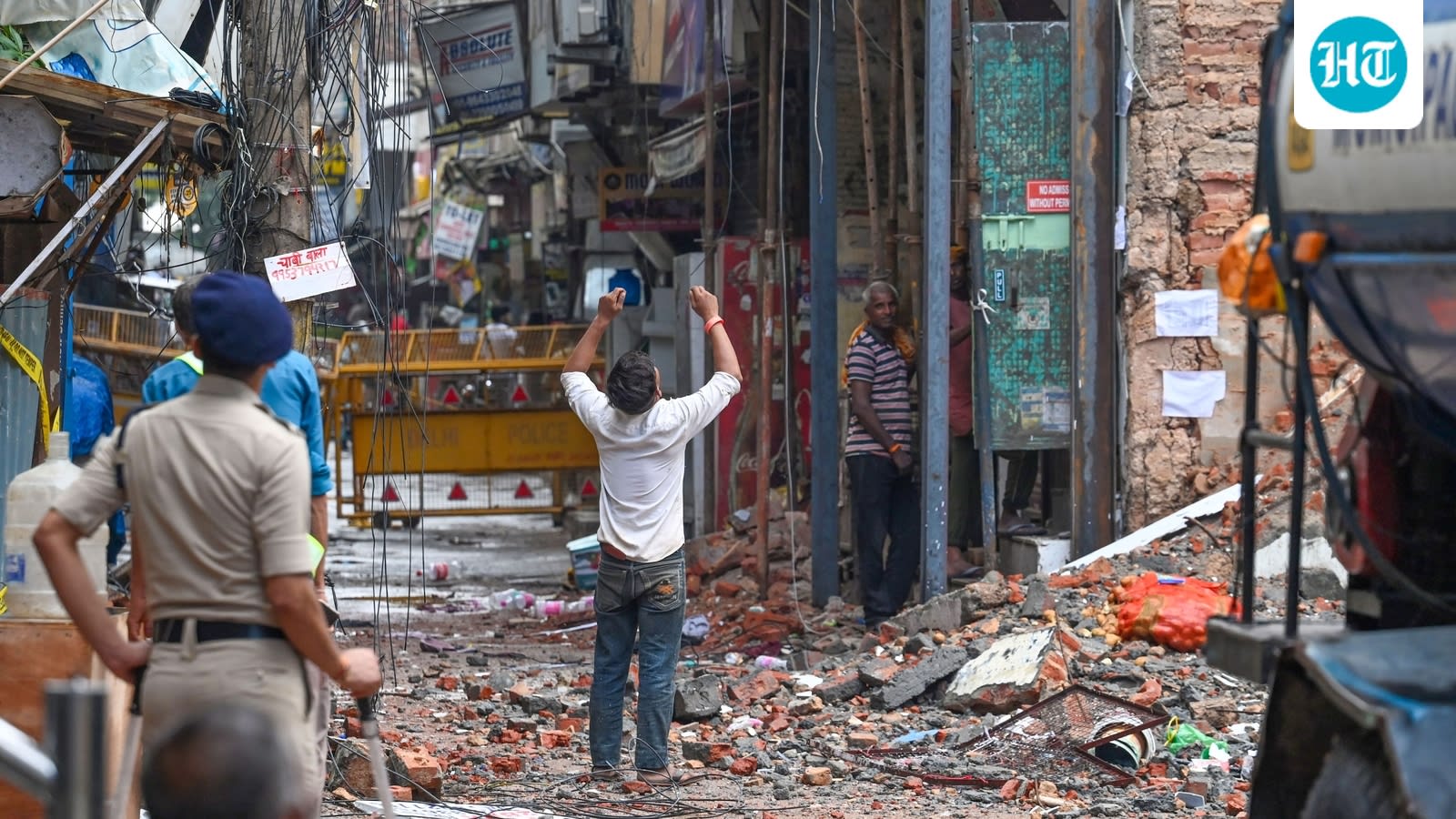
Following a deadly building collapse in Satya Niketan, the MCD has launched a massive crackdown on unauthorized PG accommodations. The civic body reported demolishing 543 properties and sealing 178, while highlighting that 70% of city PGs lack traceable building plans.
The Satya Niketan Tragedy and the Regulatory Reckoning
The collapse of a five-storey building in Satya Niketan on September 6, which served as a paying guest (PG) accommodation known as 'Hostel Daze,' stands as a grim catalyst for urban reform in Delhi. The incident, which resulted in the tragic death of at least seven individuals and left five others injured, has forced the Municipal Corporation of Delhi (MCD) to confront the systemic failures of building safety and zoning compliance within the national capital.
Aggressive Enforcement and Immediate Response
In the 17 days following the collapse, the MCD has adopted an aggressive posture regarding unauthorized construction. Represented by Solicitor General Tushar Mehta before the Delhi High Court, the civic body confirmed the demolition of 543 properties and the sealing of 178 others. Furthermore, the administration has issued show-cause notices to 354 properties and served sealing notices on an additional 205, reflecting a high-level executive decision to prioritize safety over the convenience of existing, non-compliant structures.
The Crisis of Unregulated Student Housing
Perhaps the most alarming revelation during the High Court proceedings is the scale of the documentation crisis. Out of 2,453 PG buildings identified across the city—housing over 50,000 occupants—the MCD admitted to being unable to trace the building plans for more than 70%. This lack of foundational documentation suggests that a vast majority of student housing in Delhi operates in a legal gray zone, bypassing safety standards, structural audits, and occupancy regulations that are essential for high-density residential structures.
Institutional Oversight and High-Level Intervention
The Delhi High Court, presided over by Chief Justice DK Upadhyaya and Justice Tejas Karia, has been central in demanding accountability. The court was informed that the city government has established a high-powered committee specifically tasked with examining the safety of student accommodations. This panel is mandated to recommend time-bound measures to prevent future catastrophes, signaling a transition from reactive emergency measures to a more structured, long-term regulatory framework.
Broader Implications for Urban Safety
The sheer volume of demolition orders—98 in just over two weeks—highlights the precarious nature of Delhi’s urban landscape. The reliance on PG accommodations to house a transient population of students has fostered a market where demand for cheap, accessible housing often supersedes adherence to building codes. The current crackdown is not merely a punitive measure but an acknowledgment that the existing urban infrastructure in many student-heavy hubs is dangerously ill-equipped to support current occupancy levels.
Future Trends and Policy Trajectory
Looking forward, the integration of digital building records and the enforcement of mandatory safety certifications for PGs will likely become the new standard for the city. The involvement of the High Court ensures that these administrative actions remain under judicial scrutiny, preventing the process from becoming a temporary administrative flurry. The success of these reforms will depend on the MCD’s ability to reconcile the need for affordable student housing with the non-negotiable requirements of structural integrity and fire safety.
Verification Required?