Royal Bengal tiger cub rescued from house in Odisha’s Mayurbhanj
Source Entity
Latest News: Todays Latest News Headlines from India & World | Hindustan Times | Hindustan Times
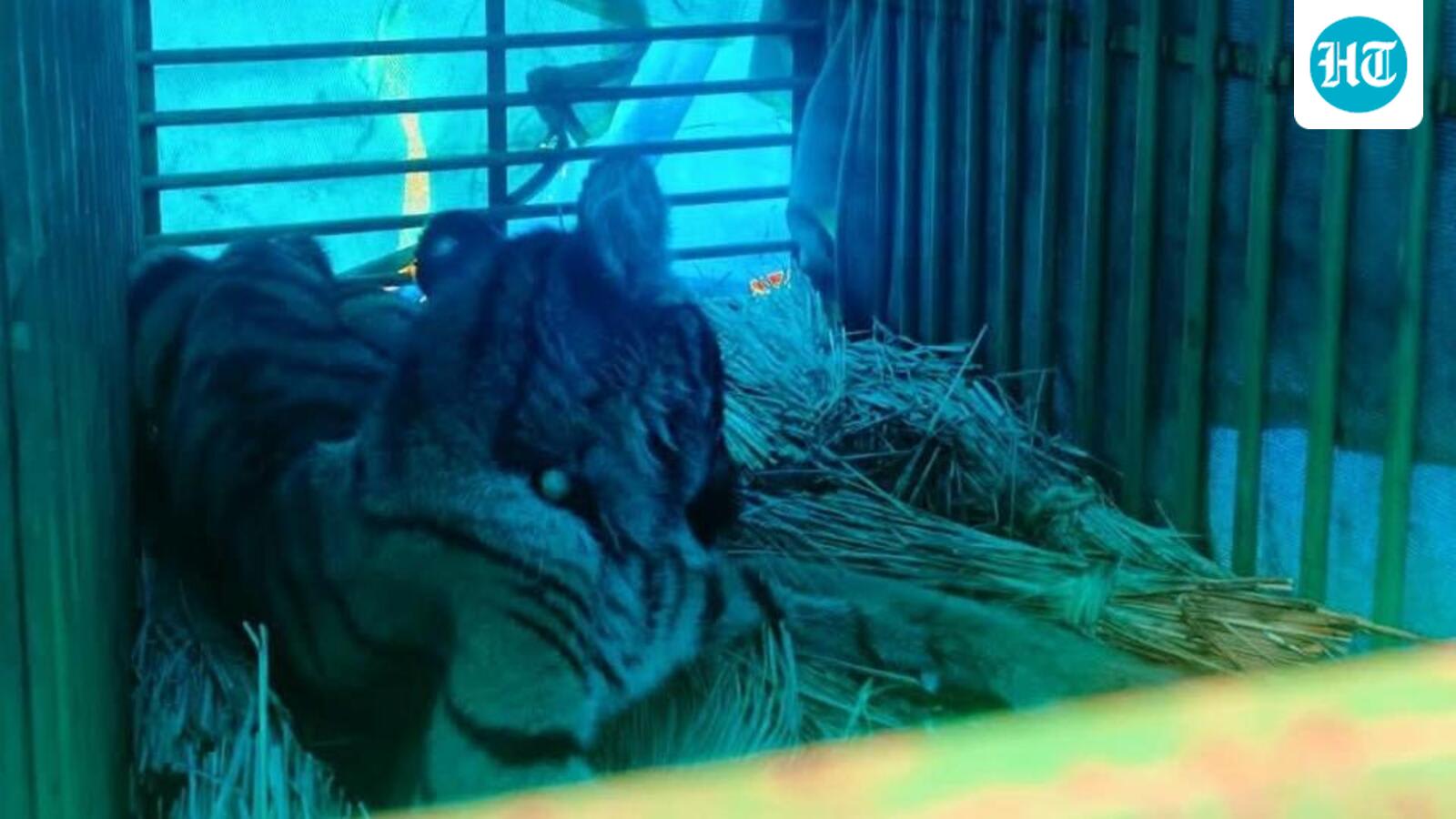
A 7-8 month old tiger cub was successfully rescued from a village near Odisha's Similipal Tiger Reserve after spending 15 hours in residential areas. The cub sought shelter in a house and cattle shed due to heavy rainfall before forest officials intervened.
The Rescue of a Displaced Tiger Cub in Odisha
A Tense Encounter Near Similipal
In a concerning wildlife incident near the Similipal Tiger Reserve (STR) in Odisha, a seven- to eight-month-old Royal Bengal tiger cub wandered into the human-dominated landscape of Khaparkhai village. The young animal’s presence triggered a 15-hour period of suspense for local residents, as the cub moved between a cattle shed and an unoccupied house. This interaction underscores the increasing frequency of human-wildlife proximity in regions bordering protected forests.
Environmental Drivers of Human-Wildlife Conflict
Reports indicate that heavy rainfall in the region likely forced the cub out of its natural forest habitat, compelling it to seek shelter in a village house which was subsequently locked by residents for safety. When wildlife is displaced by extreme weather, their natural instinct for survival often leads them into human settlements. This highlights the vulnerability of young apex predators when their primary habitat becomes temporarily inhospitable or flooded.
The Operational Success of the Forest Department
The rescue operation, conducted by officials from the Karanjia Division, was notable for its restraint. Unlike typical high-stress wildlife capture scenarios that might require chemical immobilization, the forest department successfully secured the cub without the use of tranquilizers or nets. This methodical approach is critical for the safety of a young animal that is already under significant stress, minimizing the risk of injury during the recovery process.
The Broader Ecological Implications
Similipal Tiger Reserve is a vital habitat for Bengal tigers, and the appearance of a cub in a nearby village signals both the health of the local tiger population and the risks associated with habitat fragmentation. As tiger numbers potentially fluctuate or recover, the buffer zones between the core protected area and human settlements become high-risk corridors. The cub's survival is paramount, as young tigers are essential for the long-term genetic viability and population growth of the species in the Eastern Ghats.
Future Trends and Mitigation Strategies
Moving forward, authorities must address the increasing encroachment and the thinning boundaries between forest ranges and agrarian villages. Ensuring that residents are equipped with non-lethal strategies for managing wildlife intrusions is essential to prevent retaliatory actions. Furthermore, monitoring the behavior of young tigers that wander into human zones is necessary to determine if these animals can be successfully rehabilitated into the wild or if they require specialized care to avoid future conflicts.
Concluding Summary
The safe rescue of the tiger cub in Mayurbhanj serves as a reminder of the delicate balance between conservation efforts and the safety of local communities. While the immediate danger to both the cub and the villagers of Khaparkhai has passed, the incident highlights the ongoing need for robust monitoring of wildlife movement near the Similipal Tiger Reserve to mitigate future human-wildlife encounters.
Verification Required?