Man of his word: Pope Leo speeches declared human-authored by Australian AI detection tool
Source Entity
Josh Taylor Technology reporter
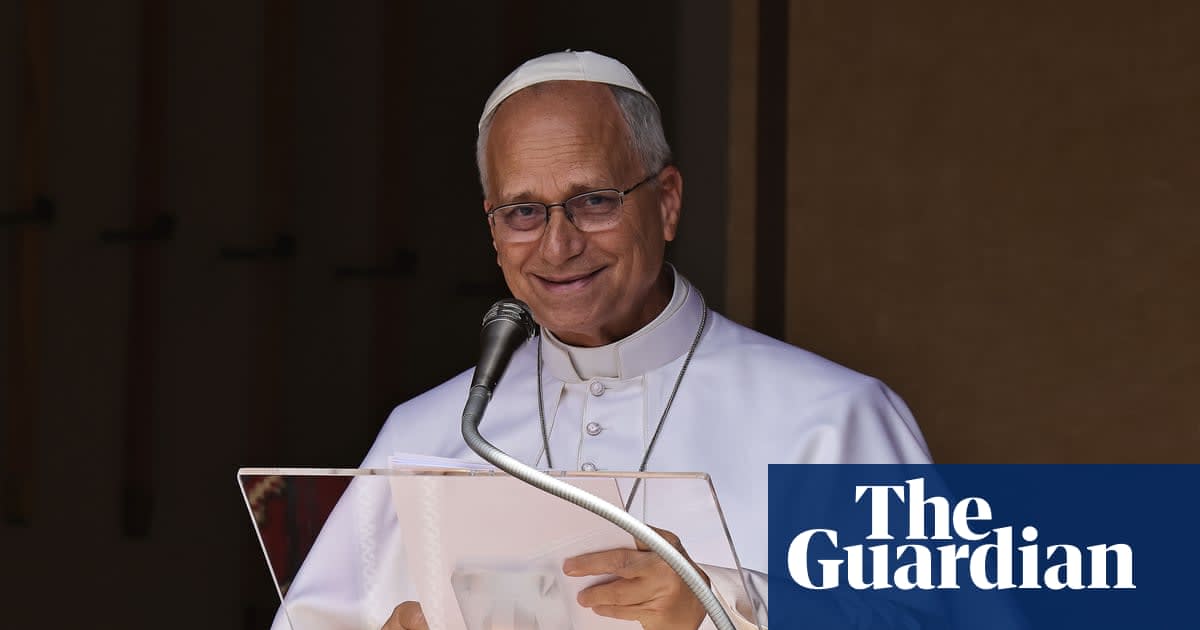
Pope Leo XIV's writings have been verified as human-authored by an Australian AI detection tool. This validation follows his recent encyclical warning against the dangers of artificial intelligence.
The Human Authenticity of Pope Leo XIV's Works
In a significant intersection of theology and modern technology, a collection of speeches and writings by Pope Leo XIV, titled Maps of Hope, has been officially certified as human-authored. This verification was conducted by 'Proudly Human,' an Australian entity led by former Chief Scientist Dr. Alan Finkel. The audit, performed in collaboration with the Australian Catholic University and Vatican officials, serves as a definitive confirmation that the intellectual output of the Pontiff remains free from the influence of generative AI models.
The Context of the Encyclical
This certification arrives less than two months after Pope Leo XIV issued his landmark encyclical, Magnifica Humanitas. In this document, the Pope took a firm stance against the rapid proliferation of artificial intelligence, categorizing it as the greatest existential threat to humanity. By proactively submitting his own body of work to rigorous algorithmic scrutiny, the Pope has effectively walked the talk, aligning his personal creative process with the cautionary philosophical framework he outlined in his encyclical.
The Role of 'Proudly Human'
Dr. Alan Finkel’s organization, 'Proudly Human,' has positioned itself at the forefront of the growing movement to distinguish human-created content from machine-generated text. By partnering with the Vatican to authenticate Maps of Hope, the group has demonstrated that even the most esteemed global leaders are now subject to the same digital provenance standards as the general public. This collaboration highlights a growing necessity for institutions to verify the 'human-made' nature of their communications in an era of rampant misinformation.
Theological and Ethical Implications
The Pope’s concerns, as articulated in Magnifica Humanitas, center on the concentration of technological power. By warning that AI must not be allowed to 'dominate humanity,' the Pope is addressing the ethical risks of delegating human decision-making and creative expression to automated systems. The certification of his own works underscores his belief that human agency, moral judgment, and spiritual insight are inherently tied to biological authorship, which cannot be replicated by silicon-based intelligence.
Future Trends in Digital Verification
As AI technology continues to evolve, the demand for human-authorship certification will likely increase across various sectors, including politics, academia, and the arts. The collaboration between the Vatican and Australian researchers suggests a future where 'human-made' labels become a standard metric of value and trust. This event sets a precedent for how global leaders may utilize technology to prove their own authenticity, effectively using the tools of the digital age to defend the sanctity of human intellectual labor.
Conclusion
Ultimately, the certification of Pope Leo XIV’s writings is more than a technical validation; it is a symbolic gesture that reinforces the Vatican’s stance on the human-centric nature of society. By inviting technological scrutiny, the Pope has successfully bridged the gap between his warnings regarding AI and his own personal commitment to human-authored discourse. This milestone ensures that his message on the dangers of technological dominance remains firmly grounded in his own, clearly human, voice.