The mystery of post-trek fever: Why symptoms show up after you return
Source Entity
The Indian Express
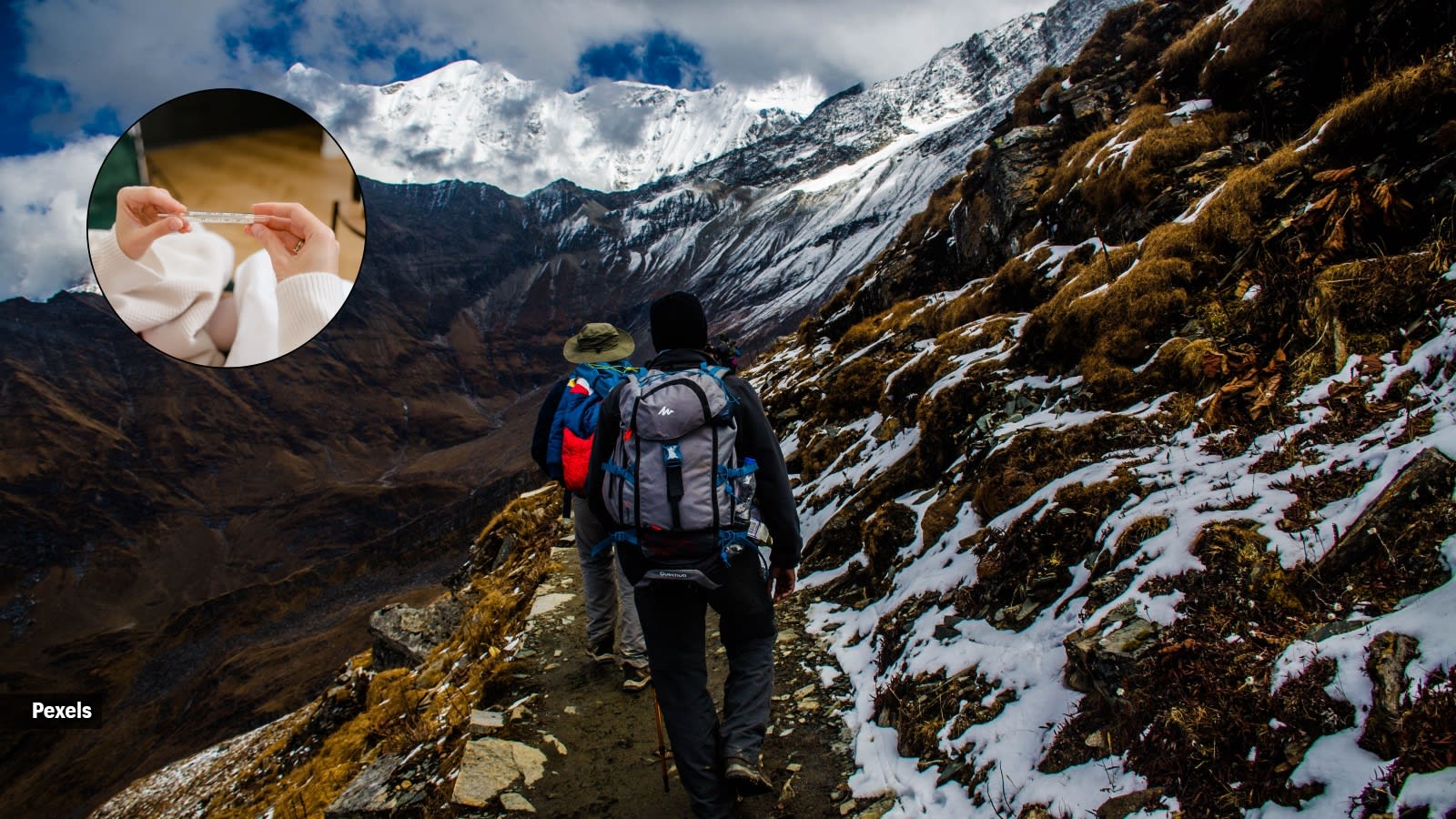
Post-trek illness, characterized by delayed symptoms like fever and fatigue, is a common phenomenon often linked to physical exhaustion and environmental shifts. Understanding these triggers is essential for travelers to manage recovery and prevent post-trip health complications.
The Phenomenon of Post-Trek Illness
Many trekking enthusiasts experience a paradoxical health decline immediately following their return from an excursion. Despite remaining resilient and energetic while navigating challenging terrains, individuals often find themselves succumbing to fever, body aches, fatigue, and respiratory issues once they return to their daily routines. This delayed onset of illness is a well-documented experience that leaves many travelers questioning how their health could deteriorate so rapidly after successfully completing a physically demanding journey.
The Intersection of Physical Exhaustion and Immunity
The primary driver of this phenomenon is the immense physical toll that trekking takes on the human body. During a trek, the body is under constant, high-level stress. Adrenaline and the excitement of the journey often mask the early signs of physical exhaustion. Once the trek concludes and the individual enters a state of relaxation, the body's 'fight or flight' response diminishes, often leading to a sudden drop in immune system efficacy. This post-exertion dip makes the body significantly more susceptible to pathogens that may have been encountered during the trip.
Environmental Shifts and Physiological Stress
Trekking involves exposure to rapidly changing altitudes, temperature fluctuations, and varied air quality. These environmental stressors require the body to constantly adapt its metabolic and respiratory processes. When a traveler returns to a different climate or altitude, the body must readjust once more. This rapid transition period can manifest as symptoms like headaches, runny noses, or choked throats, as the system struggles to recalibrate to its baseline environment after days of high-altitude or rugged exposure.
The Impact of Lifestyle Disruption
Beyond the physiological factors, the disruption of sleep patterns, hydration levels, and nutritional intake during a trek contributes significantly to post-trip illness. While trekkers often focus on the physical act of climbing, the cumulative effect of irregular rest and potential exposure to contaminated water or food sources can have a delayed impact. Gastrointestinal distress, often reported after a return, is a clear indicator that the digestive system has been compromised by these environmental variables.
Managing Recovery and Future Prevention
Understanding that post-trek illness is a physiological reality rather than a random occurrence is the first step toward mitigation. Experts suggest that travelers should prioritize post-trip recovery with the same diligence they apply to trek preparation. This includes adequate rest, hydration, and monitoring for persistent symptoms. It is vital to remember that while the excitement of the trek is over, the body’s recovery process is only just beginning.
Conclusion: A Call for Caution
While the allure of trekking remains a profound human experience, it is imperative to acknowledge the health risks associated with sudden shifts in activity and environment. Travelers should not ignore post-trek symptoms, as they are the body's way of signaling a need for rest and medical attention. Always consult a health practitioner to ensure that what feels like a common post-trek fatigue is not something requiring professional intervention.