Poundland is facing collapse - what's gone wrong?
Source Entity
BBC News
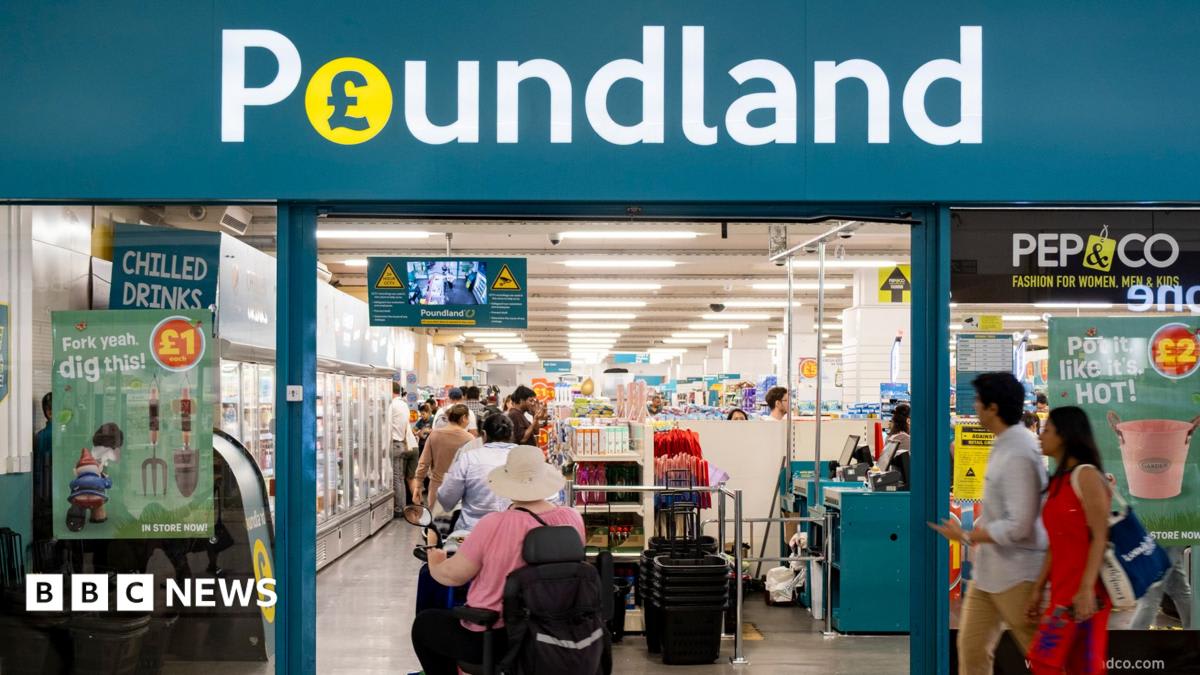
Poundland is currently facing a critical liquidity crisis, with only days to find a buyer or risk administration. While management claims a strong recovery, owner-lender Gordon Brothers cites ongoing financial vulnerabilities and debt obligations.
The Imminent Crisis at Poundland
Poundland, a cornerstone of the British high street, is currently navigating a precarious financial landscape. With only days to secure a buyer or face the prospect of administration, the retailer’s future remains in extreme doubt. This situation highlights the fragile nature of retail entities that rely heavily on complex debt structures and private equity-style ownership models in an increasingly volatile economic climate.
The Duality of Financial Health
There is a stark disconnect between the narrative presented by Poundland’s leadership and its primary stakeholder. Barry Williams, the company's boss, has maintained that the business is undergoing a "strong recovery," suggesting that the underlying retail operations remain viable. However, this optimism is countered by Gordon Brothers, the owner-lender, which describes the chain as "challenged and vulnerable." This discrepancy underscores a common tension in distressed retail: the difference between operational cash flow and the unsustainable burden of historical debt.
Debt, Interest, and Ownership Dynamics
At the heart of the crisis is the unique relationship between Gordon Brothers and the retailer. Having acquired the business for a nominal sum of £1, Gordon Brothers inherited substantial liabilities, including a £22.5m shareholder loan. The firm’s role as both owner and primary creditor has created a complex web of financial obligations. Reports indicate that Gordon Brothers has extracted approximately £18m through debt interest payments and various fees, which complicates the company's ability to reinvest in its own growth.
Structural Vulnerabilities vs. Trading Performance
Expert analysis suggests that Poundland’s struggle is primarily a "funding and ownership problem" rather than a failure of its core retail model. While the store continues to trade, it is essentially constrained by the capital structure imposed upon it. Because Gordon Brothers acts as the primary creditor, they are positioned to be first in line should the company collapse, which significantly shifts the incentives regarding the company's long-term survival versus short-term debt recovery.
Implications for the High Street
The potential collapse of Poundland would represent a significant blow to the UK retail sector. Such an event would not only signal the failure of a major discount retailer but also highlight the risks associated with "vulture" style ownership where interest payments take precedence over store-level investment. As the industry watches, the outcome will serve as a case study for the dangers of debt-heavy retail acquisition strategies.
Future Outlook
As the deadline for finding a buyer looms, the path forward remains narrow. Any potential downturn in future trading could prove fatal for the brand, as noted by its current owners. For Poundland to survive, it requires a restructuring of its debt obligations and a clear infusion of capital that prioritizes operational stability over the servicing of shareholder loans. Without a swift intervention, the retailer faces an uncertain future that could see the disappearance of numerous storefronts across the country.