Prashant Kishor poll debut runs into rough weather, his party loses leaders to BJP
Source Entity
Santosh Singh
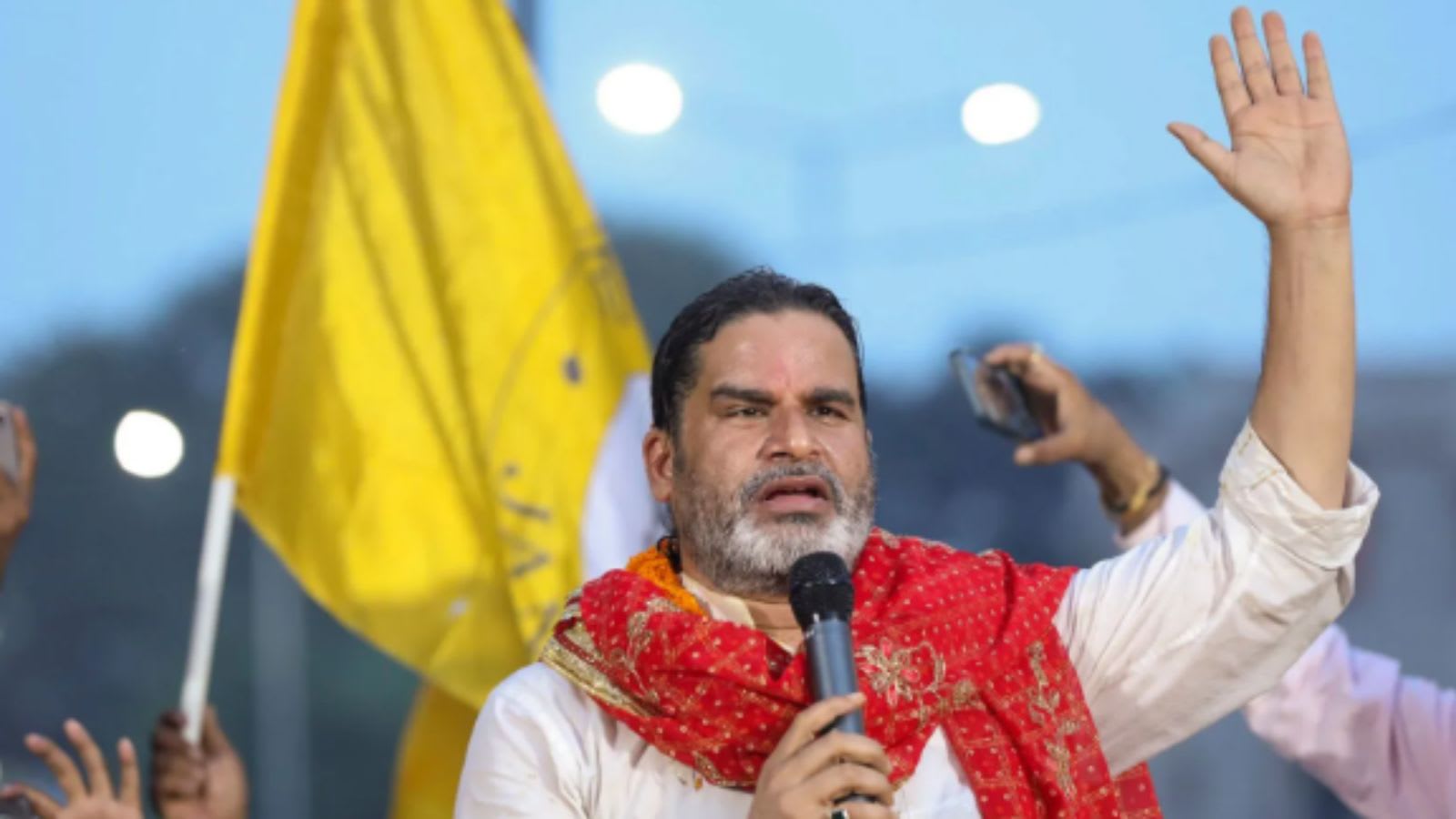
Prashant Kishor's Jan Suraaj party faces early challenges in the Bankipur bypoll as key leaders defect to the BJP, marking a turbulent start to his electoral debut in a BJP urban stronghold.
The Trial by Fire: Prashant Kishor's Electoral Debut in Bankipur
Prashant Kishor, the renowned political strategist who has shaped the victories of numerous Indian leaders across the political spectrum, has finally transitioned from the strategist's booth to the candidate's podium. The Bankipur bypoll represents a critical juncture for his newly formed entity, Jan Suraaj. However, this debut is proving to be far more volatile than anticipated. The news that Jan Suraaj is losing leaders to the Bharatiya Janata Party (BJP) just as the battle intensifies suggests a significant gap between strategic planning and the gritty reality of ground-level political loyalty in Bihar.
The Vulnerability of New Political Entities
The defection of leaders from Jan Suraaj to the BJP highlights a classic challenge faced by emerging political movements: the 'poaching' phenomenon. In the high-stakes environment of Bihar politics, the BJP possesses a formidable organizational machinery and a proven track record of absorbing local leaders to consolidate its hold. For Kishor, who has built his reputation on calculating the movements of others, finding himself on the receiving end of such tactical maneuvers is a stark reminder that organizational stability is often more valuable than a brilliant campaign blueprint. These defections not only deplete the party's manpower but also damage the morale of the grassroots volunteers who were promised a new, alternative political path.
The Fortress of Bankipur: Urban Dynamics
Choosing to contest in Bankipur—a known urban bastion of the BJP—was a bold move designed to signal Jan Suraaj's intent to challenge the status quo. Urban centers often operate on different political currents than rural heartlands, with a greater emphasis on stability, infrastructure, and centralized leadership. By pitting Jan Suraaj against the BJP in its own stronghold, Kishor attempted to create a 'David vs. Goliath' narrative. However, the current 'rough weather' suggests that the BJP's urban grip is more resilient than the Jan Suraaj strategy accounted for. The loss of leaders indicates that local power brokers may view the BJP as a safer and more viable vehicle for their own political survival than a nascent party led by a strategist.
Strategy vs. Ground Reality
For years, Prashant Kishor has been the architect of 'wave' politics, utilizing data and perception management to secure wins. The Bankipur bypoll is the first real test of whether these skills translate when he is the principal actor rather than the consultant. The friction observed here reveals the inherent difficulty in transitioning from a consultant—who manages expectations—to a leader—who must manage people. The loss of leaders to the BJP suggests that while the vision of Jan Suraaj may be intellectually appealing, it may currently lack the institutional 'glue' required to prevent attrition in the face of pressure from an established political giant.
Broader Implications for Jan Suraaj's Bihar Ambitions
This setback in Bankipur serves as a cautionary tale for Jan Suraaj's broader ambitions in Bihar. If the party struggles to maintain cohesion in a single bypoll, its ability to scale up for a general election remains questionable. The BJP's success in poaching Jan Suraaj leaders suggests a strategy of 'containment,' where the established power seeks to neutralize potential disruptors before they can gain critical mass. For Kishor, the challenge now is to prove that Jan Suraaj is a movement driven by ideology and public will rather than just a collection of opportunistic politicians who can be easily swayed by the ruling party.
Future Outlook and Potential Pivots
Moving forward, Prashant Kishor will likely need to shift his focus from high-level strategy to internal organizational fortitude. To survive the 'rough weather' of the Bankipur bypoll and beyond, Jan Suraaj must develop a more robust mechanism for leader retention and grassroots loyalty. We can expect Kishor to either double down on his 'outsider' narrative—framing these defections as proof of the existing system's corruption—or pivot toward a more inclusive alliance strategy. The outcome of this bypoll will not just determine a seat in the legislature, but will define whether Prashant Kishor can successfully transition from the man who makes kings to a leader who can build his own kingdom.
Summary
The Bankipur bypoll has emerged as a volatile litmus test for Prashant Kishor's Jan Suraaj. The loss of key leaders to the BJP reveals the fragility of the new party's organizational structure when faced with the BJP's urban dominance. While Kishor's strategic mind is undisputed, this event underscores the brutal reality of Bihar's political landscape, where loyalty is fluid and established powerhouses possess the resources to dismantle emerging threats from within.