Prashant Kishor urges Mithila Brahmins to rethink BJP support: ‘Caste loyalty has come at a cost’
Source Entity
Himanshu Harsh
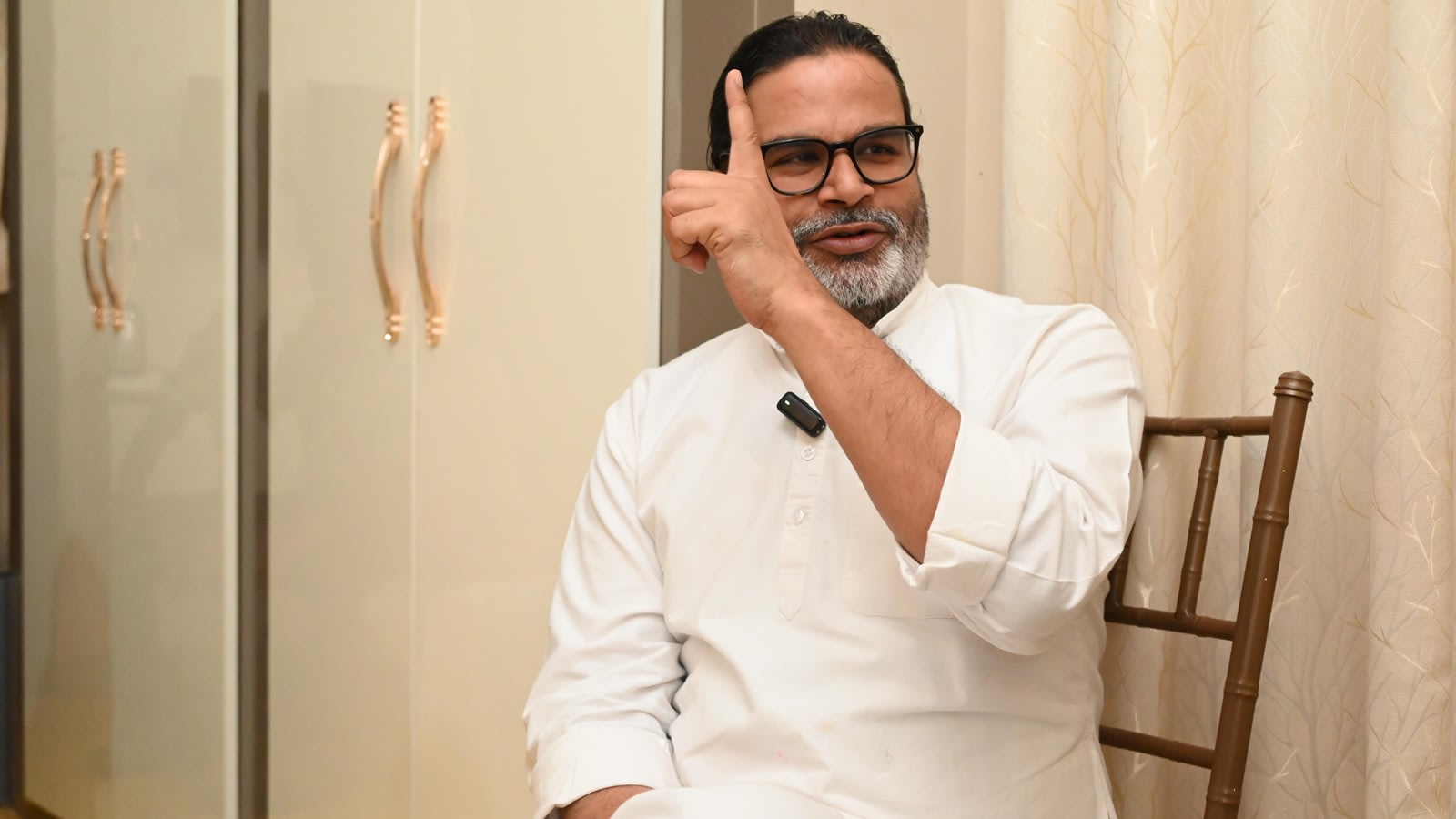
Jan Suraaj founder Prashant Kishor is challenging traditional Brahmin support for the BJP in Bihar's Mithila region. He argues that prioritizing caste identity over development and alienating other communities has diminished the group's political influence.
Rethinking Political Allegiance in Mithila
Jan Suraaj founder and Bankipur MLA Prashant Kishor has ignited a debate in Bihar’s Mithila region by directly challenging the long-standing political alignment of the Brahmin community with the Bharatiya Janata Party (BJP). During a recent outreach event in Mahinam village, Darbhanga, Kishor argued that blind adherence to a single party—based primarily on caste identity—has resulted in a net loss of political leverage for the community. By failing to build broader coalitions, he suggests that the group has inadvertently weakened its influence within the state's complex social fabric.
The Cost of Political Isolation
Kishor’s critique centers on the strategic error of alienating other demographics, specifically Muslim voters who historically supported Brahmin leaders in the region. According to Kishor, the rigid focus on a singular caste-based voting bloc has created an insular political environment that limits the community's ability to negotiate and lead effectively. This analysis highlights a shift in his political messaging, where he emphasizes the necessity of cross-community cooperation over the zero-sum nature of identity politics.
Prioritizing Education Over Polarization
In a departure from traditional electoral rhetoric that often leans into religious or caste-based mobilization, Kishor urged his audience to pivot toward education and socio-economic advancement. By invoking the symbolism of 'Saraswati' and the 'pen' over the 'axe,' he attempted to redefine the identity of the Brahmin community as one rooted in intellectual and developmental progress. This shift is intended to move the conversation away from the politics of grievance and toward concrete solutions for health, education, and employment.
Challenging the 'Own-Caste' Representative Myth
During the interaction in Darbhanga, locals suggested that fielding a Brahmin candidate would be the best way to address their specific grievances. Kishor, however, challenged this assumption, arguing that electing a representative simply because they belong to the same caste does not guarantee improvements in living conditions. This stance serves as a cornerstone of his Jan Suraaj philosophy, which seeks to decouple voter support from caste-based patronage and reorient it toward governance performance and policy capability.
Broader Implications for Bihar Politics
Kishor’s remarks signal a broader attempt to disrupt the established political order in Bihar. By questioning the 'default' support bases of major parties, he is positioning Jan Suraaj as an alternative that prioritizes systemic change over traditional social engineering. Whether this strategy will resonate with a demographic that has historically relied on established political vehicles remains to be seen, but it certainly marks a tactical attempt to redefine how communities in the Mithila belt engage with democratic processes.
Future Trends and Conclusion
As the political landscape in Bihar continues to evolve, the challenge posed by Kishor to the Brahmin community represents a test of whether voters are willing to prioritize long-term development over immediate caste-based political affiliation. If his message gains traction, it could lead to a more fluid political environment where parties are forced to earn support through policy delivery rather than relying on historical loyalty. Ultimately, the success of this narrative will depend on whether Jan Suraaj can convince the electorate that their future lies in broad-based coalitions rather than narrow, caste-defined silos.