As prediction markets boom, questions arise over who will be the watchdog
Source Entity
US Top News and Analysis
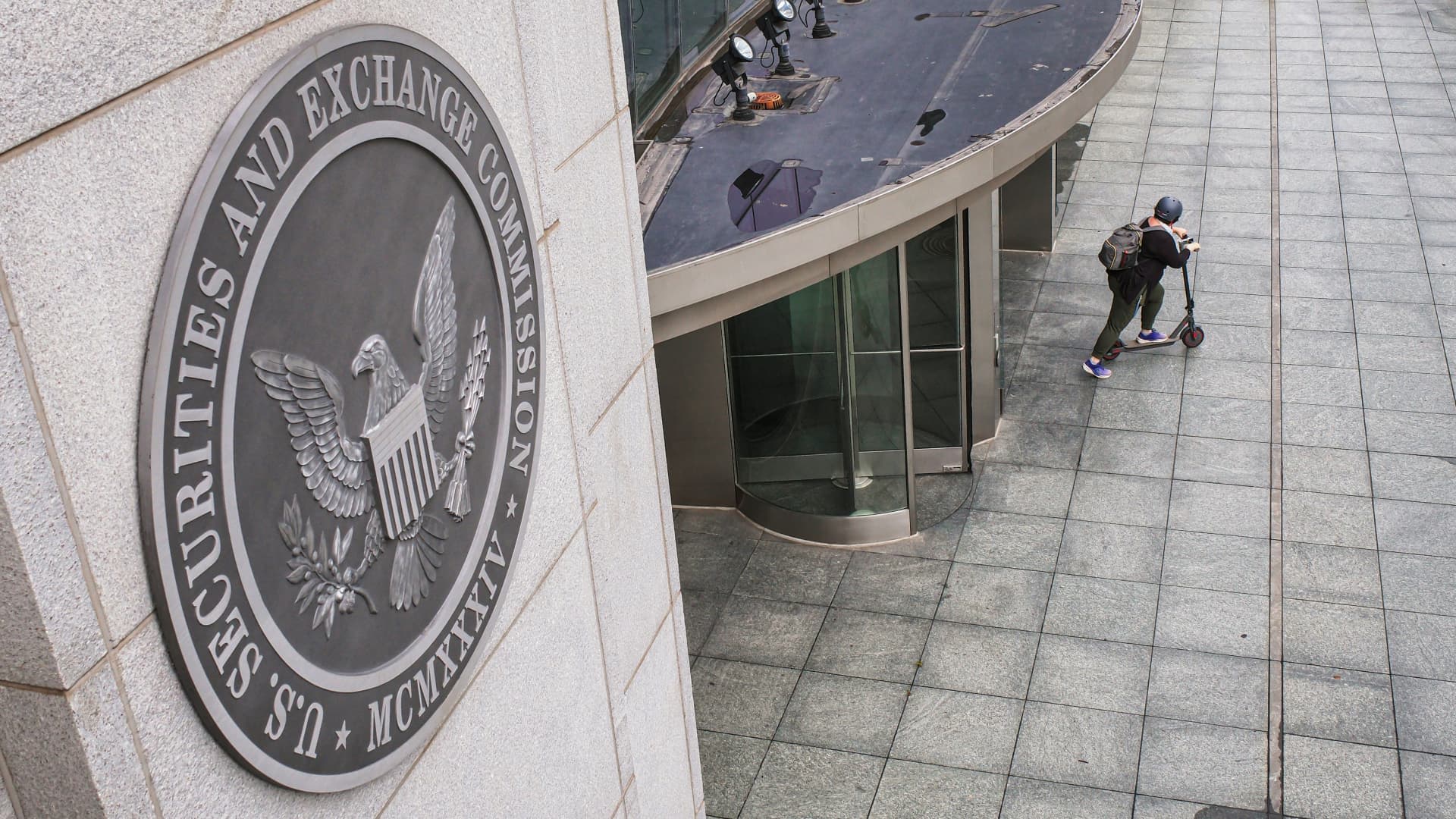
The rapid growth of prediction markets is creating a regulatory vacuum, with new contract types potentially subjecting platforms to the oversight of multiple regulatory bodies.
The Regulatory Crossroads of Prediction Markets
Prediction markets, platforms where participants trade contracts based on the likelihood of future events, have experienced a significant surge in popularity. This "boom" is driven by a growing public distrust in traditional polling and a desire for real-time, incentive-aligned forecasting. Unlike traditional polls, which rely on self-reported intentions, prediction markets require participants to put financial capital at risk, effectively creating a "skin in the game" mechanism that often yields more accurate probabilities. However, this rapid ascent has outpaced the legal frameworks designed to govern financial speculation and gambling, leading to an urgent question: who will serve as the ultimate watchdog?
The Complexity of Modern Contract Types
The core of the current regulatory tension lies in the evolution of the contracts being traded. Historically, prediction markets were viewed through a binary lens: they were either considered gambling or simple financial derivatives. However, as platforms introduce more sophisticated and diverse contract types—ranging from hyper-local political outcomes to complex macroeconomic shifts—the lines have blurred. These new instruments often possess characteristics of both a bet and a security. This duality creates a precarious situation where a single platform may find itself caught between the jurisdictions of two different regulatory bodies, such as a commodities futures trading commission and a state-level gaming board.
The Conflict of Jurisdictional Oversight
The prospect of operating under two regulatory bodies introduces significant operational risks and legal ambiguities. If a regulator focused on consumer protection in gambling views a contract as a "wager," they may impose strict licensing requirements and tax obligations. Simultaneously, if a financial regulator views the same contract as an unregulated derivative, they may seek to shut the platform down to prevent systemic financial risk or market manipulation. This overlap creates a "regulatory tug-of-war" that can stifle innovation, as platforms may hesitate to launch new features for fear of triggering an enforcement action from an unexpected agency.
Broader Implications for Market Integrity
Beyond the legal hurdles, the lack of a clear watchdog raises concerns regarding market integrity and manipulation. In a regulated financial market, there are strict rules against insider trading and artificial price inflation. In the current "wild west" era of prediction markets, the potential for wealthy actors to "move the needle" on a public forecast—thereby influencing public perception of an event's likelihood—is high. Without a centralized regulatory authority to monitor large-scale trades and ensure transparency, these markets risk becoming tools for propaganda rather than instruments of truth.
Predicting the Regulatory Trajectory
Looking forward, it is likely that the current ambiguity will lead to the creation of a specialized regulatory category specifically for "information markets." We can expect a shift toward a hybrid framework where platforms are required to maintain high transparency standards and capital reserves, similar to financial exchanges, while adhering to the KYC (Know Your Customer) and AML (Anti-Money Laundering) protocols typical of the gaming industry. As these markets become more integrated into the daily news cycle, the pressure on governments to provide a clear, single-window regulatory path will become irresistible to ensure both investor protection and market stability.
Summary: The Need for Clarity
In conclusion, while the boom in prediction markets offers a powerful new tool for forecasting and decision-making, it has exposed a critical gap in modern oversight. The introduction of complex new contracts has made the "single watchdog" model obsolete, necessitating a coordinated approach between financial and gaming regulators. For these markets to reach their full potential as reliable indicators of future events, the industry must move away from regulatory evasion and toward a structured, transparent legal environment that protects participants without stifling the predictive power of the crowd.