Students are architects of India’s future, says President Murmu
Source Entity
India Latest News: Top National Headlines Today & Breaking News | The Hindu
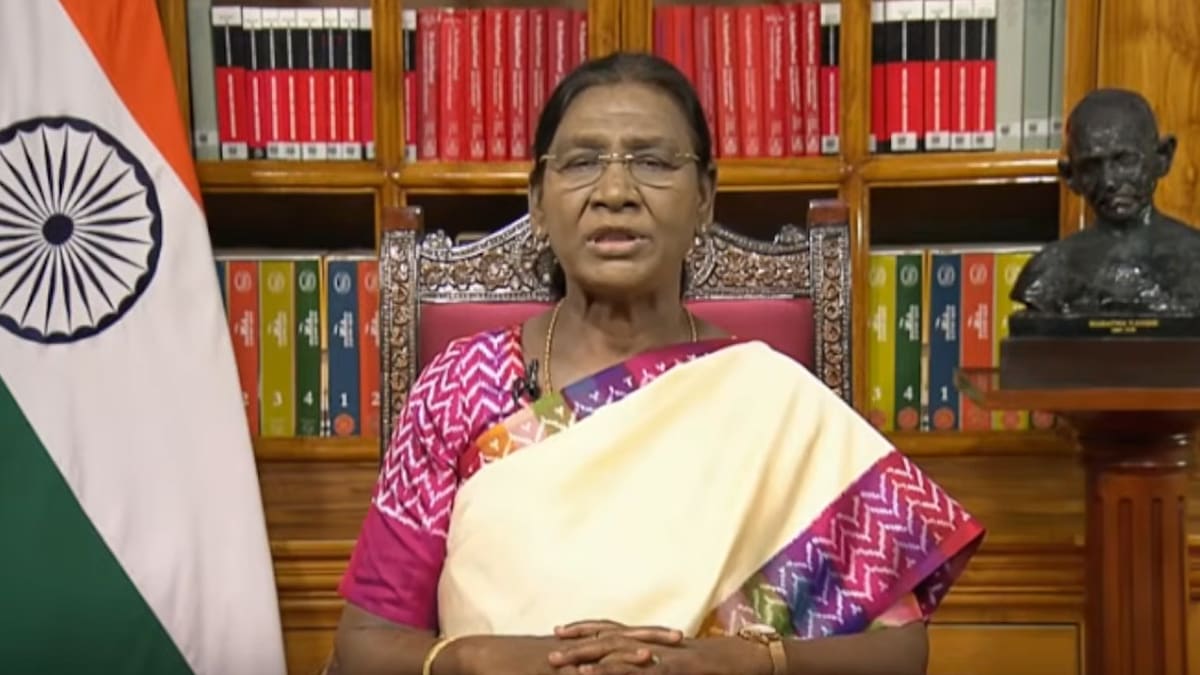
President Droupadi Murmu addressed the nation on India's 80th Independence Day, labeling students as the country's most valuable asset. Her speech addressed recent student protests over examination irregularities, emphasizing government efforts to ensure transparency and security in public recruitment.
Empowering the Next Generation: President Murmu’s Independence Day Vision
On the eve of India’s 80th Independence Day, President Droupadi Murmu delivered a poignant address that highlighted the pivotal role of the nation’s youth. By characterizing students as the “architects of India’s future,” the President underscored the demographic dividend that defines the nation today, noting that 65% of the population is currently under the age of 35. This classification of youth as the “most valuable asset” serves as both a recognition of their potential and a call to action for the state to protect their professional trajectories.
Addressing the Crisis of Public Examinations
The President’s remarks were delivered against a backdrop of significant national discourse regarding the integrity of public examinations. With recent student-led protests erupting in response to systemic irregularities, paper leaks, and concerns regarding recruitment processes like NEET and civil service exams, the President’s acknowledgment of these issues was timely. She framed public examinations not merely as administrative hurdles, but as essential “gateways to opportunities” that must be protected from corruption and mismanagement.
A Commitment to Institutional Reform
President Murmu articulated a clear stance on the need for systemic overhaul, stating that the government is currently undertaking comprehensive reforms to make the examination infrastructure transparent, secure, and trustworthy. The emphasis on “completely curbing” paper leaks and the use of unfair means highlights the government's recognition that the current lack of accountability has created a crisis of confidence among the student body. This top-level assurance is intended to mitigate the frustration felt by millions of aspirants who rely on these exams for upward social mobility.
The Shared Responsibility of State and Society
One of the most striking elements of the address was the President’s call for a unified approach to student welfare. She drew a parallel between the societal unity required for national security and the concerted efforts needed to safeguard the future of students. By framing the protection of students as a collective responsibility, she signaled that the burden of reform does not rest solely on the government but requires a culture of integrity across all sectors of society.
Historical Context and Future Trends
Reflecting on the 80th year of independence, the President invoked the spirit of 1947, reminding citizens that every Indian is an architect of the nation’s destiny. This historical framing serves to bridge the gap between the sacrifices of the independence movement and the current struggle for institutional integrity. Looking forward, the success of these promised reforms will likely determine the stability of the youth demographic's engagement with the state. If the government succeeds in modernizing the recruitment infrastructure, it will likely restore faith in the democratic process and ensure that the “architects of the future” remain committed to the national project.
Conclusion
President Murmu’s address serves as a critical bridge between the government’s policy agenda and the genuine concerns of the student population. By acknowledging the protests and centering them within the narrative of national progress, the President has set a high bar for accountability. The path forward requires a transition from rhetoric to the implementation of robust, secure systems that ensure every student has a fair chance to succeed, thereby securing India’s trajectory as a global leader.
Verification Required?