Prichard Colon death: Terrel Williams' alleged Instagram account flooded with hate comments
Source Entity
Latest News: Todays Latest News Headlines from India & World | Hindustan Times | Hindustan Times
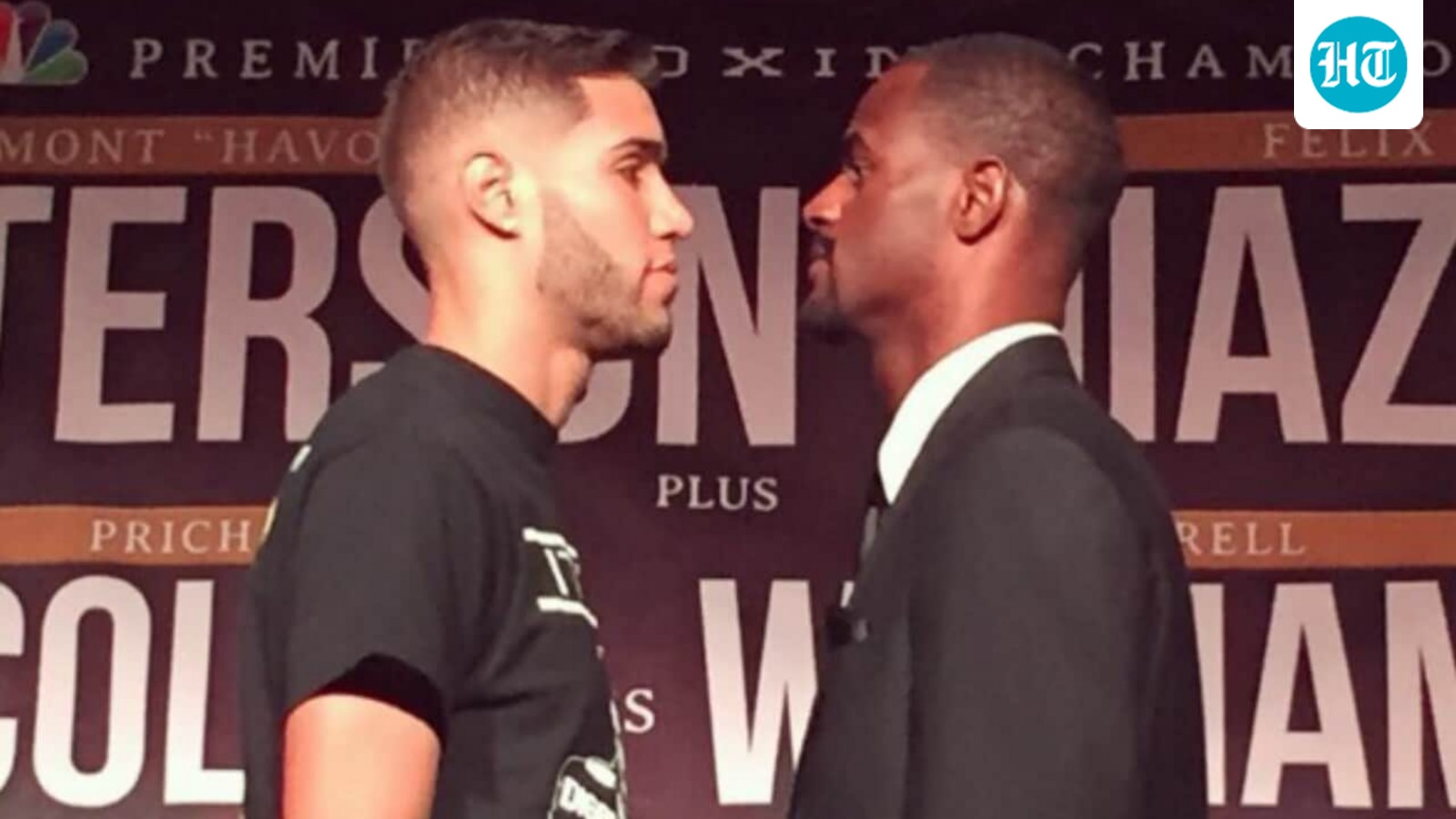
The death of former boxer Prichard Colon has prompted a wave of online backlash against his 2015 opponent, Terrel Williams. Colon passed away after spending 11 years in a vegetative state following a fight involving illegal blows to the back of his head.
The Tragic Aftermath: Prichard Colon and the Boxing Community
The boxing world is mourning the loss of Prichard Colon, the Puerto Rican prospect who passed away on August 13. This event has reopened one of the most painful chapters in modern boxing history, centering on his October 17, 2015, fight against American boxer Terrel Williams. While the match ended in a disqualification for Colon, the physical toll proved far more severe than a simple loss on a scorecard, as the young athlete suffered catastrophic brain injuries that left him in a vegetative state for the final 11 years of his life.
The Anatomy of a Tragedy
The core of the public's ire stems from the nature of the blows exchanged during the 2015 bout. Reports confirm that Terrel Williams landed multiple punches to the back of Colon’s head, an area strictly protected by boxing regulations due to the extreme risk of brain trauma. Despite the disqualification, Colon initially walked out of the ring under his own power, masking the severity of the internal damage. He would soon fall into a coma, spending 211 days in critical care as doctors fought to save his life, eventually leaving him permanently incapacitated.
The Digital Backlash and Accountability
Following news of Colon’s death, social media platforms—specifically Instagram—have become theaters of intense public condemnation directed at Terrel Williams. An account alleged to belong to Williams has been inundated with hate comments, reflecting a broader societal desire to assign blame for what many view as an avoidable tragedy. This digital reaction highlights the intersection of modern social media culture and the long-standing accountability issues inherent in high-contact sports.
Professional Consequences and Long-Term Impact
Terrel Williams’ life was fundamentally altered by the incident as well. Following the 2015 fight, Williams took a two-year hiatus from the sport before attempting a return to the ring. The public outcry today serves as a reminder that for many fans, the shadow of that night never truly faded. The intense scrutiny Williams faces now underscores the lasting trauma experienced not only by the victim and his family but by those involved in the events that led to such life-altering consequences.
Broader Implications for Combat Sports
This incident forces a critical look at officiating and safety protocols in professional boxing. The failure to penalize or halt the fight despite the illegal strikes to the back of the head raises systemic questions about how referees protect fighters from themselves and their opponents. As the sport continues to grapple with the long-term effects of CTE and traumatic brain injuries, the case of Prichard Colon serves as a somber benchmark for the necessity of stricter enforcement of safety rules.
Conclusion: A Legacy of Reflection
Ultimately, the death of Prichard Colon is a heartbreaking conclusion to an 11-year struggle. While the digital vitriol directed at Terrel Williams indicates a public demand for justice, it also reflects the profound helplessness felt by fans witnessing the loss of a promising talent. Moving forward, the boxing community must ensure that the lessons from this tragedy are translated into tangible changes that prioritize fighter longevity and safety above all else.
Verification Required?