Prithviraj on I, Nobody, why he doesn’t do his own stunts: ‘My injury delayed film for 1 year’
Source Entity
Yashaswini Sri
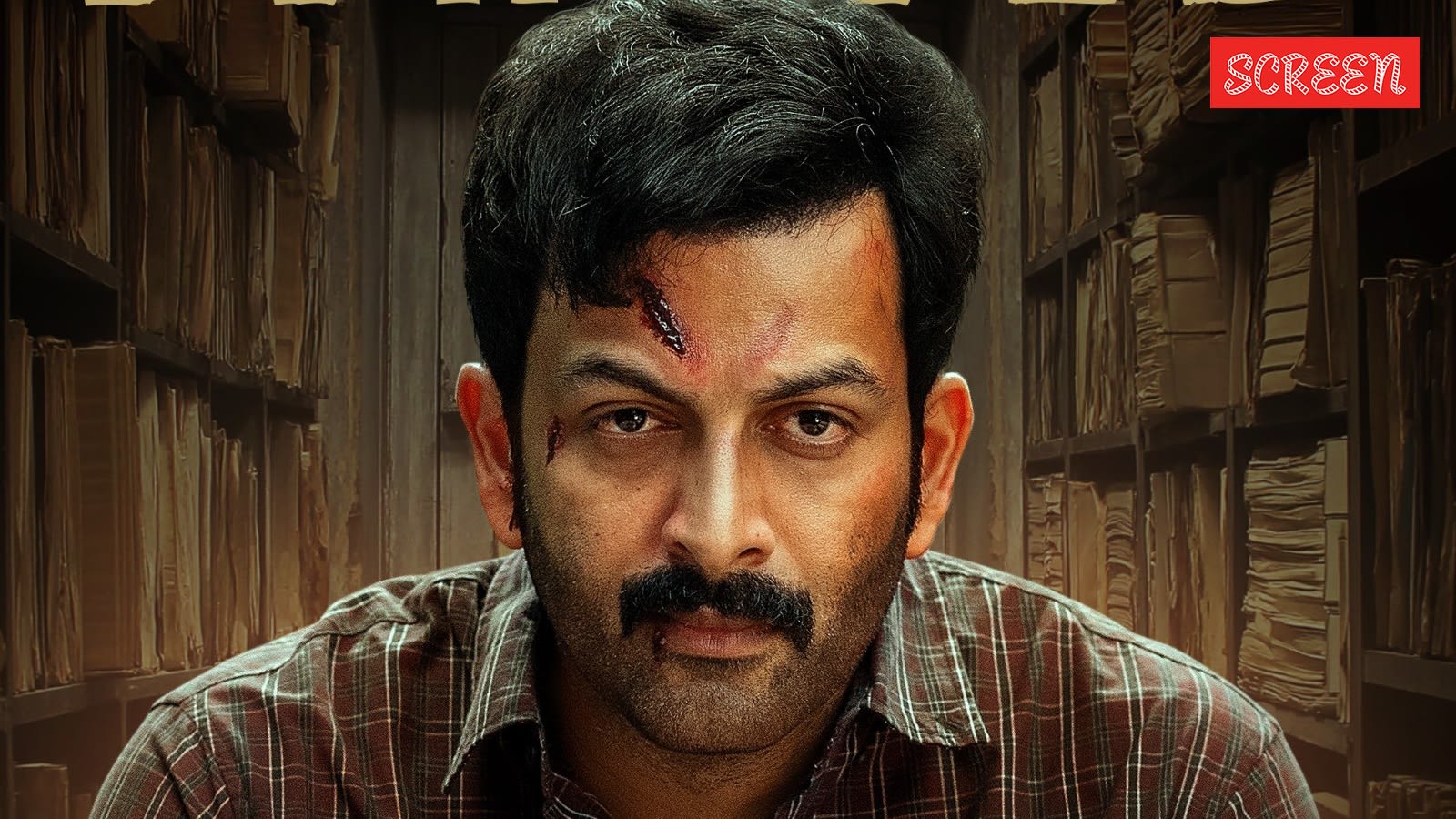
Prithviraj Sukumaran has called I, Nobody a film that defies genre classification, revealing that what begins as a bank heist story transforms into social commentary, a kidnap drama and eventually a o...
Analyzing Prithviraj Sukumaran's Approach to 'I, Nobody' and Production Safety
Prithviraj Sukumaran, a powerhouse in the Indian film industry known for both his acting prowess and directorial vision, has recently shed light on his latest project, I, Nobody. In a series of revelations, the actor describes the film as a complex piece of cinema that resists simple categorization. By blending elements of a high-stakes bank heist with profound social commentary and a gripping kidnap drama, I, Nobody appears to be positioned as an experimental narrative that seeks to challenge the audience's expectations of traditional storytelling.
The Evolution of Genre-Bending Narratives
The most striking aspect of Prithviraj's description of I, Nobody is its fluid structure. Starting as a bank heist—a popular trope in modern thrillers—the film pivots into social commentary and a kidnap drama. This trajectory suggests a narrative designed to peel back layers of the human condition, moving from the external action of a crime to the internal and systemic issues that drive such events. In the broader context of contemporary cinema, this shift mirrors a global trend where filmmakers are moving away from linear, single-genre plots toward "hybrid cinema," which allows for a more holistic exploration of a story's themes.
The Cost of Physicality: Stunts and Production Risks
Beyond the plot, Prithviraj addressed a critical point regarding the physical demands of acting. His admission that he no longer performs his own stunts is rooted in a cautionary tale: a previous injury that caused a film's production to be delayed by an entire year. In the high-pressure environment of film production, where budgets are massive and schedules are tight, a lead actor's injury can be catastrophic. This decision reflects a mature understanding of the logistics of filmmaking, where the risk of a momentary "heroic" stunt is weighed against the potential for massive financial loss and project stagnation.
Professionalism vs. Perceived Authenticity
There is often a romanticized notion in cinema that actors must perform their own stunts to ensure authenticity. However, Prithviraj's stance emphasizes the importance of professional stunt coordinators and safety protocols. By prioritizing his health and the project's timeline over the vanity of doing his own action sequences, he highlights a shift toward a more professionalized approach to cinema. This perspective is likely informed by his experience as a director and producer, where he understands that the success of a film depends more on the coherence of the final edit than on who physically performed a specific fall or fight scene.
Implications for Future Projects
Looking forward, I, Nobody could signal a new direction for Prithviraj's career, leaning further into scripts that offer intellectual stimulation over pure spectacle. His focus on "defying genre classification" suggests a desire to be seen as a curator of avant-garde content within the mainstream. Furthermore, his cautious approach to physical stunts may set a precedent for other lead actors in the industry to prioritize safety and production stability over the traditional expectations of the "action star."
Conclusion
In summary, Prithviraj Sukumaran's insights into I, Nobody reveal an artist who is equally invested in the intellectual complexity of his scripts and the operational efficiency of his productions. By balancing a daring, multi-genre narrative with a pragmatic approach to physical safety, he demonstrates a sophisticated understanding of the modern cinematic landscape. I, Nobody stands to be more than just a thriller; it is a testament to the evolution of storytelling and the professionalization of the acting craft.