PRTC conductor sacked for fake bills: Contract bus staff announce statewide strike from today
Source Entity
Latest News: Today's Latest News Headlines from India & World | Hindustan Times | Hindustan Times
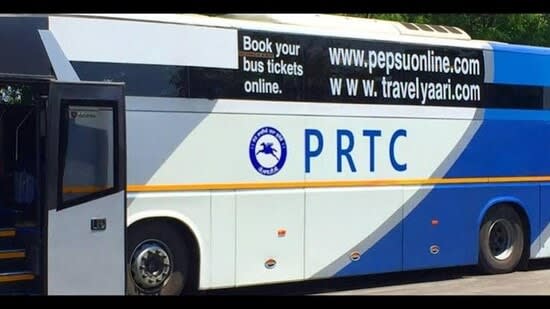
A conductor at the Pepsu Road Transport Corporation (PRTC) has been dismissed following the discovery of fake bills, triggering a statewide strike by contract bus staff.
Financial Irregularities and Labor Unrest: The PRTC Crisis
The Pepsu Road Transport Corporation (PRTC) is currently facing a dual crisis of internal corruption and widespread labor unrest. The catalyst for the current turmoil was the dismissal of a conductor who was found to have submitted fraudulent bills. This discovery was not a result of a systemic audit but rather the keen eye of a cashier who noticed discrepancies while scrutinizing receipts. This incident highlights a significant vulnerability in the financial reporting mechanisms of the transport corporation, where manual receipt submission remains a point of failure prone to manipulation.
The Mechanics of the Fraud and Internal Oversight
The fact that a cashier discovered the fraud through manual scrutiny suggests that the PRTC's internal auditing processes may be lagging behind modern digital standards. In many state-run transport systems, conductors handle significant amounts of cash and submit physical logs or receipts. When these are not digitized in real-time, it creates an opportunity for 'ghost billing' or the inflation of expenses. The sacking of the conductor serves as a necessary disciplinary action to maintain fiscal integrity; however, it also exposes the precarious nature of oversight within the organization, where a single employee's vigilance is the primary line of defense against embezzlement.
The Catalyst for Statewide Labor Action
While the dismissal of a fraudulent employee is standard administrative procedure, the reaction from the contract bus staff—announcing a statewide strike—indicates deeper, systemic grievances. In the context of Indian public transport, there is often a sharp divide between permanent employees and contract workers. Contract staff typically lack the job security, benefits, and legal protections afforded to permanent staff. The strike suggests that the contract workers perceive the sacking not as a pursuit of justice, but as a targeted action or a symptom of a hostile working environment. This reaction transforms a simple case of employee misconduct into a broader industrial dispute.
Socio-Economic Implications of the Strike
The decision to launch a statewide strike has immediate and severe implications for the general public. PRTC serves as a lifeline for thousands of daily commuters, students, and traders who rely on affordable state-run transport. A total shutdown of services disrupts the regional economy and puts immense pressure on private transport operators, often leading to opportunistic price hikes. Furthermore, the loss of daily revenue for the corporation exacerbates its financial instability, creating a vicious cycle where the state must either concede to union demands or face prolonged operational paralysis.
Historical Context of Contractual Labor in Public Sector
This event mirrors a historical trend across various Indian state transport undertakings where the reliance on contract labor has grown to reduce pension liabilities and payroll costs. This 'contractualization' of the workforce often leads to resentment, as workers perform the same duties as permanent staff for significantly less pay and zero security. When a disciplinary action occurs, it frequently becomes a rallying point for unions to demand regularization of services or better pay scales, using the threat of service disruption as their primary leverage against the state government.
Future Outlook and Resolution Pathways
Moving forward, the PRTC administration is likely to face intense pressure to negotiate with the contract staff. To resolve the strike, the government may need to implement a two-pronged strategy: first, a transparent review of the disciplinary process to satisfy the unions that the sacking was fair and not arbitrary; and second, a long-term plan to digitize ticketing and billing to eliminate the possibility of fake bills. If the state fails to address the underlying insecurity of the contract staff, these sporadic strikes will likely continue, undermining the reliability of public transportation in the region.
Verification Required?