Building Pune | Work on 36-km elevated road first proposed in 1987 to start soon
Source Entity
Ajay Jadhav
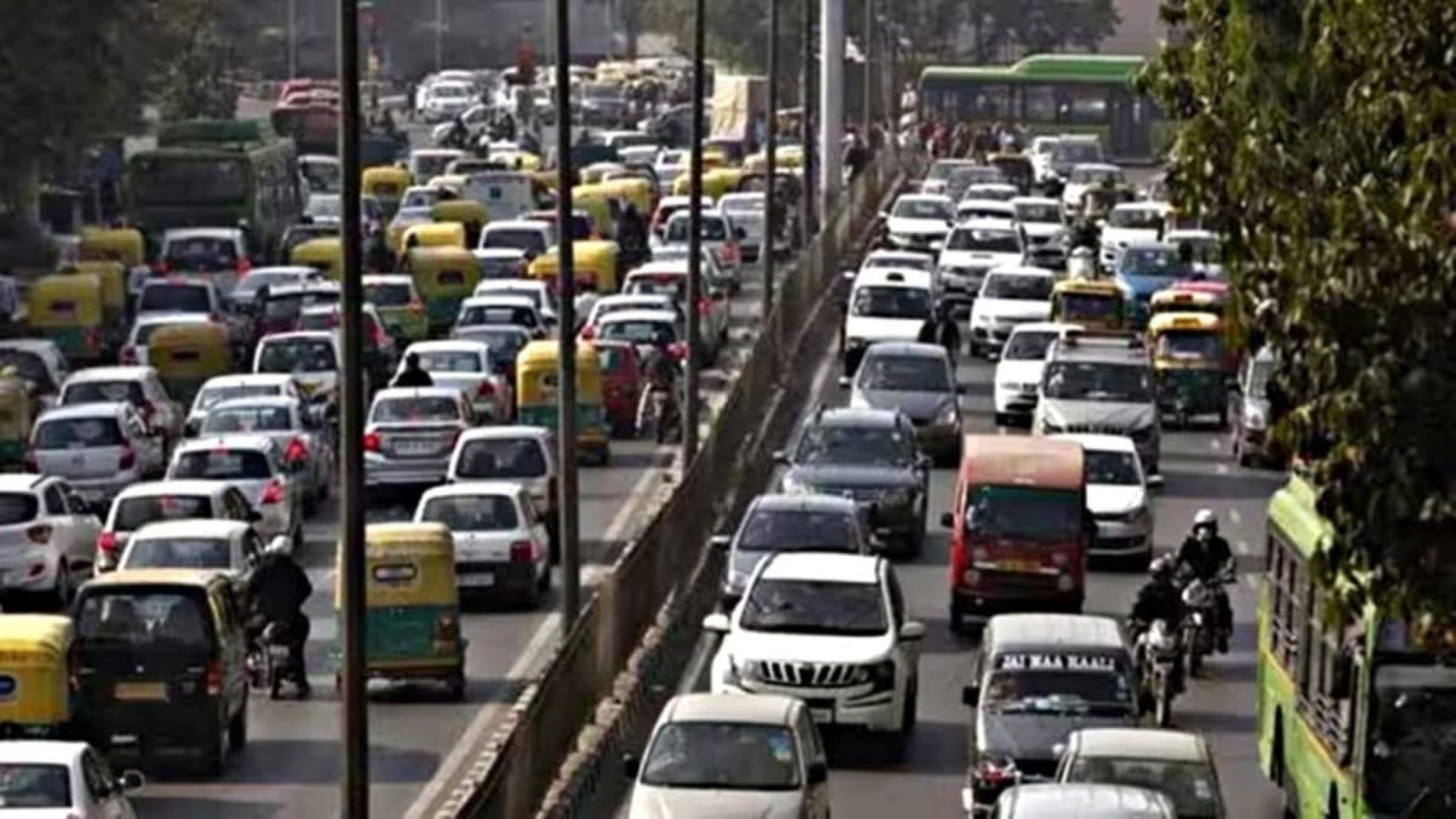
Pune is set to begin construction on a 36-km elevated road, a project first proposed in 1987, designed to connect major city roads and provide an alternative expressway route to alleviate chronic traffic congestion.
Decades in the Making: Pune's Strategic Shift Toward Elevated Connectivity
The announcement that work will soon commence on a 36-km elevated road in Pune marks a pivotal moment in the city's urban planning history. This project, which was first conceptualized in 1987, represents a long-delayed response to the city's escalating traffic woes. For over three decades, the proposal remained largely dormant while Pune transformed from a quiet educational and retirement hub into a global powerhouse for the automotive and IT industries. The decision to finally fast-track this infrastructure, alongside other key projects like the Katraj-Kondhwa Road, signals an urgent shift in the Pune Municipal Corporation's (PMC) approach to urban mobility.
The Historical Gap and Urban Pressure
To understand the significance of this project, one must look at the staggering timeline. A proposal from 1987 suggests that the need for a ring-road or elevated bypass was recognized long before the current crisis peaked. However, the delay of nearly 37 years highlights the common struggle faced by Indian metropolitan cities: the gap between visionary planning and administrative execution. During this hiatus, Pune's population exploded, and the city's radial road network became overwhelmed. By implementing a plan from 1987 in today's context, the city is essentially attempting to retroactively apply a structural solution to a problem that has grown exponentially in complexity.
Strategic Integration and the HCMTR
The proposed 36-km elevated road, linked to the HCMTR (Hingewadi-Chakan-Manchar-Tathawade Road) framework, is designed to function as an alternative expressway. By connecting all major Pune roads, the project aims to decouple local city traffic from long-distance transit. This is a critical distinction; by providing a high-speed elevated corridor, the city can divert heavy commercial vehicles and commuters traveling between outskirts—such as those moving from the IT hubs of Hinjewadi to the industrial belts of Chakan—away from the congested inner-city arteries. This strategic bypass is essential for reducing the 'bottleneck' effect seen at major intersections.
Synergies with Concurrent Infrastructure Projects
This development does not exist in a vacuum. The mention of the fast-tracking of the Katraj-Kondhwa Road project indicates a broader, coordinated effort to overhaul the city's connectivity. When viewed together, these projects suggest a move toward a multi-layered transport system. While ground-level roads handle neighborhood accessibility, the 36-km elevated road will serve as the 'spine' for rapid transit. This layered approach is often the only viable solution in densely populated Indian cities where land acquisition for new ground-level roads is politically difficult and prohibitively expensive.
Economic Implications for the Auto and IT Hubs
From an economic perspective, the completion of this road will likely have a profound impact on Pune's industrial productivity. Pune is a critical node in India's supply chain, housing major automotive plants and a massive IT workforce. Traffic congestion is not merely an inconvenience but a significant economic drain, increasing logistics costs and reducing employee productivity. An efficient, elevated expressway route will streamline the movement of goods and labor, potentially attracting further foreign direct investment (FDI) by improving the city's operational efficiency and ease of doing business.
Future Trends in Pune's Urban Landscape
Looking ahead, the commencement of this project suggests that Pune is entering an era of 'vertical expansion' for its transport infrastructure. As land becomes scarcer, the city will likely lean more heavily on flyovers, elevated metros, and ring roads to manage its sprawl. We can predict a trend where the city's periphery becomes more integrated, leading to the development of new satellite townships and commercial hubs along the HCMTR corridor. This will shift the city's center of gravity away from the traditional core, promoting a more polycentric urban model.
Conclusion
In summary, the 36-km elevated road is more than just a construction project; it is a corrective measure for decades of stalled planning. While the delay since 1987 is regrettable, the current execution—integrated with other road works—promises to fundamentally alter Pune's traffic dynamics. By creating a high-capacity alternative to the city's clogged streets, Pune is taking a necessary step toward sustainable urban growth and economic resilience.